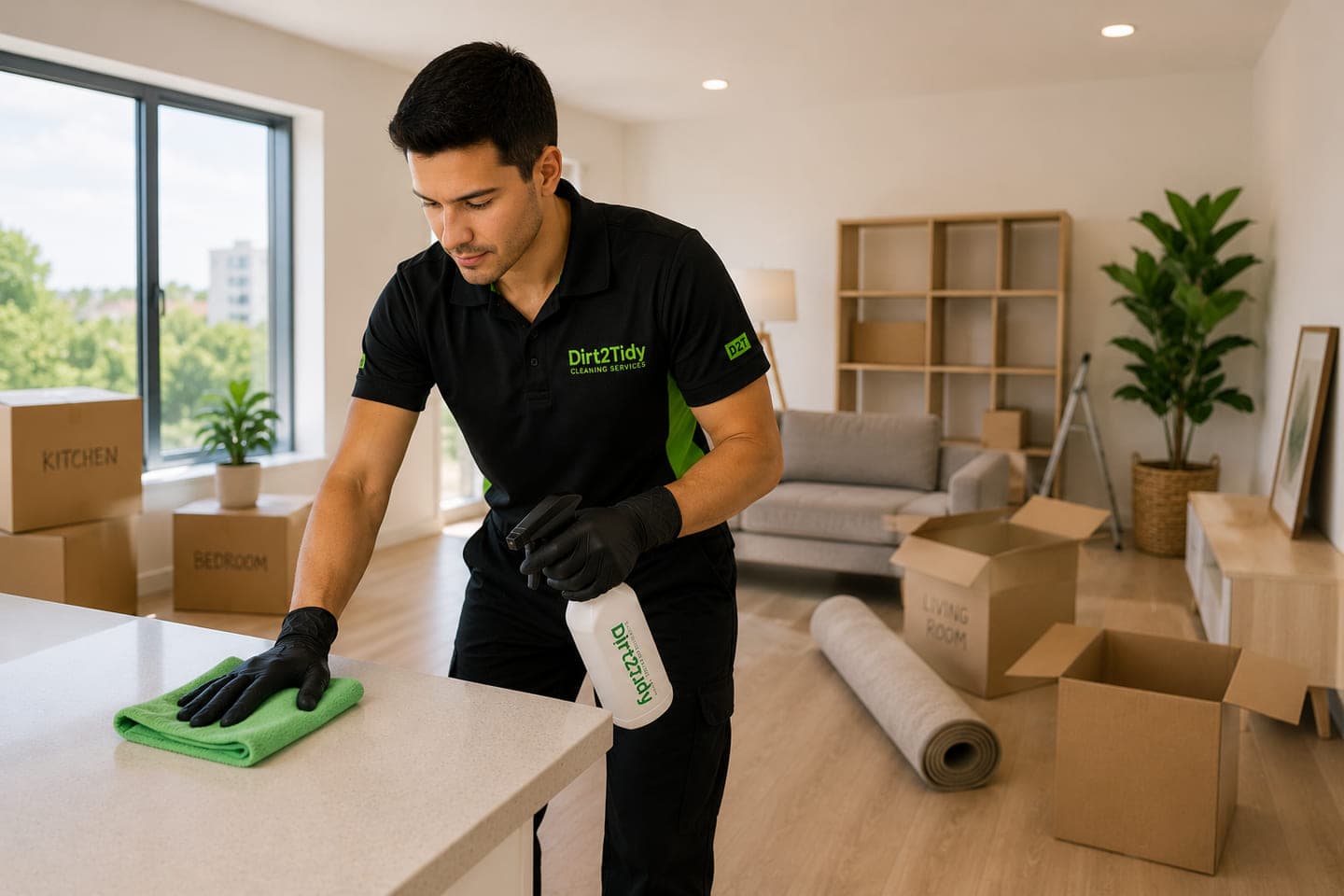
Can a landlord make you pay for a cleaner?

the landlord in some cities and states may be able to charge the tenant for cleaning by cleaners the property with the bond money.

Spring deep cleaning of an Australian household

Pre-Check Before Charging for Professional Cleaning Key Details to Include in a Lease or Cleaning Addendum Strategies to Minimize Landlord Cleaning Expenses Cleaning up after moving out The Benefits of Arranging a Volume Deal with a Cleaning Service Cleaning Tasks Beyond Normal Wear and Tear When Can a Landlord Evict a Tenant for Uncleanliness?

Can a Tenant’s Security Deposit Cover Cleaning Costs? Properly Itemizing Cleaning Deductions from the Security Deposit Landlords often run into significant challenges when they have to deal with renters that are messy.

The value of a property may decrease if it is plagued by vermin or mould, both of which are brought on by the accumulation of dirt, food, and standing water, Which leads to cleaners to play a role.

If a property is left in an unlivable condition or is extremely unclean, the landlord in some cities and states may be able to charge the tenant for cleaning the property with the bond money.

In this article, we will discuss when it is appropriate for a landlord to charge a tenant for cleaning and when it is not appropriate to do so, as well as provide some pointers on how much a landlord should charge, and offer advice on how to set the right expectations for cleaning with a tenant in order to help avoid conflict if and when the tenant moves out.

The amount of money that should be charged for cleaning a rental property is contingent on a number of different factors, from cleaning carpets to hiring a cleaning company.

Bond cleaning by a professional cleaner in an Australian home

For instance, a landlord ought to compare the state of the property when the tenant moved in to the state of the property when they are moving out, and determine whether or not more cleaning is required over and above what may be deemed usual by state laws or tenancy agreements.

What sets general tidiness apart from professional cleaning? It’s important to distinguish day-to-day tidiness from professional cleaning when assessing tenant responsibilities. General Tidiness – routine tasks expected from tenants to maintain a presentable home: Sweeping and vacuuming floors Light cleaning of sinks and bathroom fixtures These fall under “reasonable care” and fair wear and tear.

Professional Cleaning – a deeper, more thorough clean often needed at lease end: Scrubbing tiles, grout, and bathroom fittings Removing grease from kitchen appliances Washing windows (inside/outside, including tracks) Cleaning hard-to-reach or rarely attended areas Professional cleaning uses specialized tools and expertise, going beyond everyday tidiness.

Understanding this difference clarifies what tenants can reasonably be charged for at move-out. To prevent confusion or disputes over cleaning, clearly outline expectations in the lease or a cleaning addendum: Set Specific Standards: Specify move-out cleanliness vacuumed carpets, wiped surfaces, and spotless bathrooms referencing local tenancy authority guidelines if needed.

List Potential Charges: Clearly state any cleaning fees or how bond deductions will be calculated for unsatisfactory conditions. Define Unacceptable Conditions: Include examples like mould, leftover rubbish, pest issues, wall marks, or stained carpets beyond normal wear.

Bond cleaning by a professional cleaner in an Australian home

Use Photos for Reference: Take dated move-in photos or ask tenants to provide them for a clear visual benchmark. Clear documentation ensures both landlord and tenant share expectations, reducing the risk of disputes.

Key Questions Before Charging a Tenant for Cleaning Before deducting cleaning costs, consider these points: Does the lease specify tenant cleaning responsibilities, like weekly sweeping or regular vacuuming? Were routine inspections conducted to ensure the property remained clean and livable? Were any cleaning or maintenance issues documented and communicated to the tenant?

Does the cleaning required exceed normal wear and tear? Are there stains, debris, or intensive cleaning needs in bathrooms or kitchens? Is the carpet or flooring condition worse than expected from typical use? If pets were present, were pet addendum rules followed, and did they increase cleaning needs?

How long has the tenant resided in the property?

Keep cleaning moving

Related Cleaning Services

More from Dirt2Tidy

Related Cleaning Guides