Write site-specific tasks and responsibilities
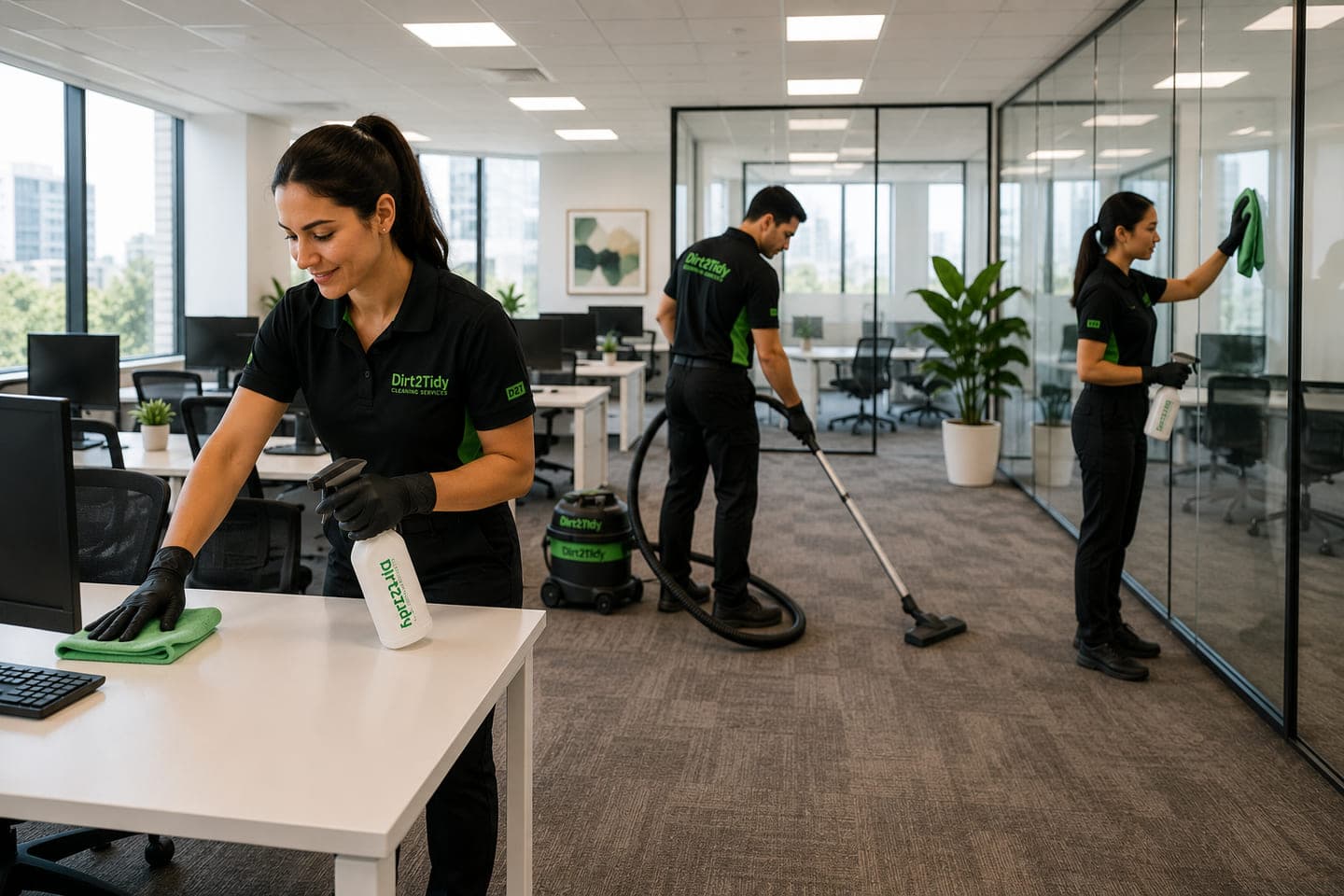
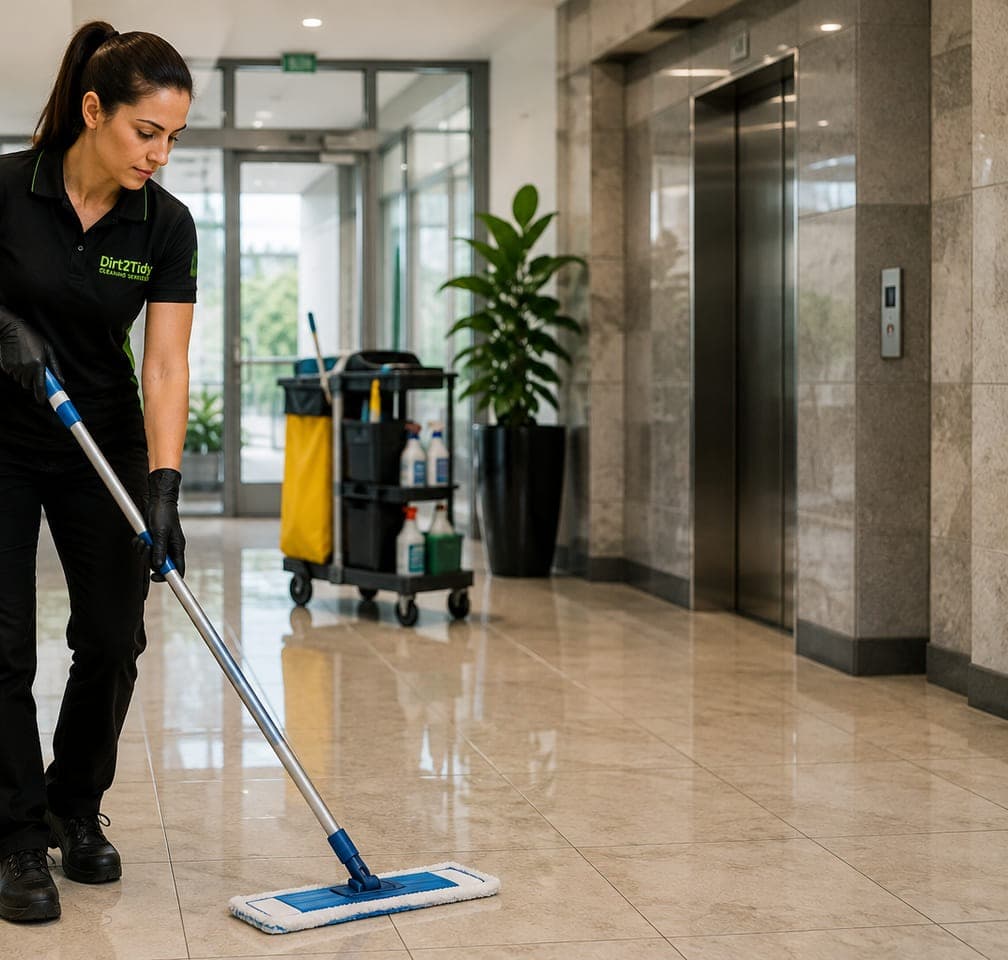
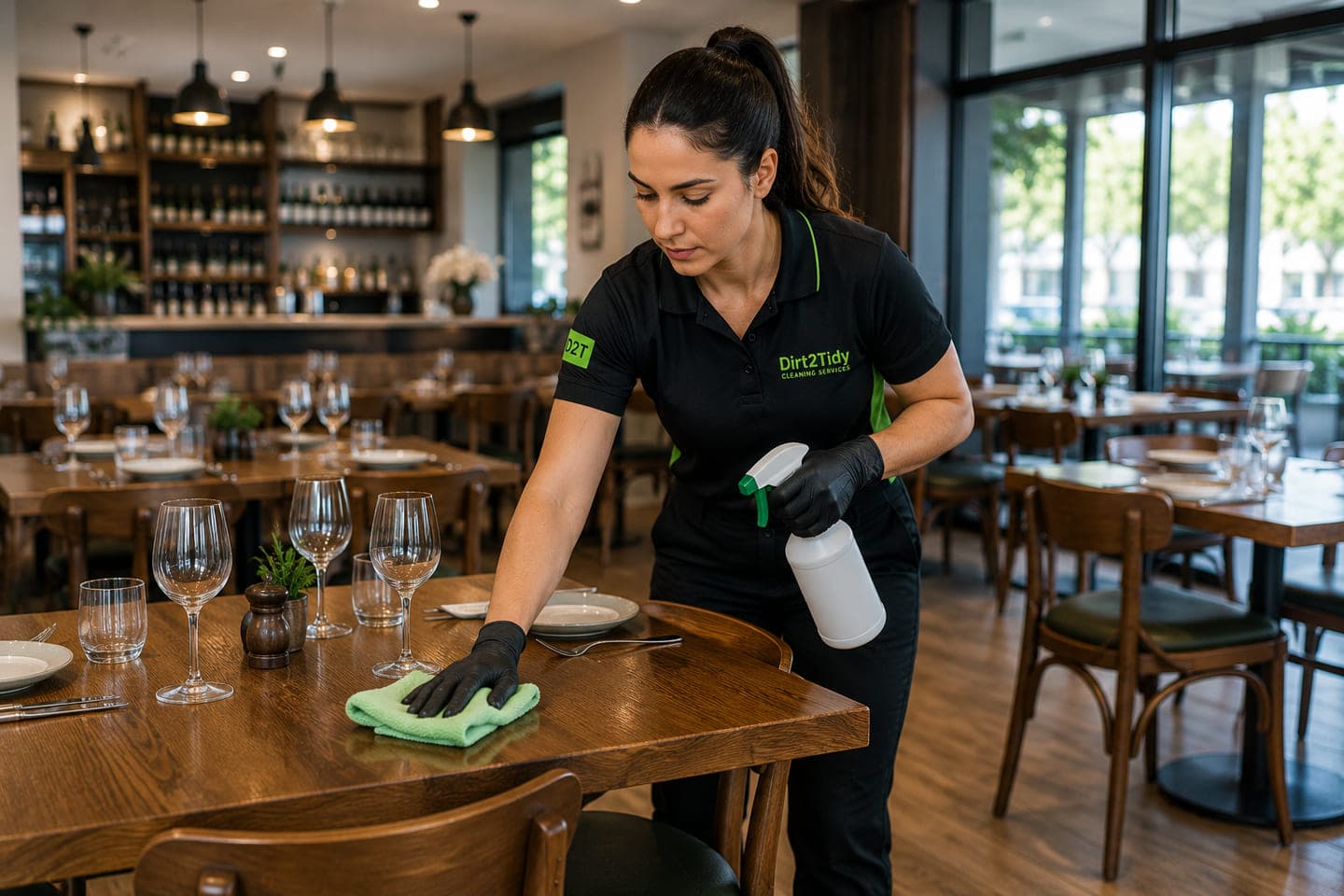
List rooms, shared touchpoints, floors, washrooms, food areas and high-priority surfaces. Define frequency, access windows, who supplies consumables and how maintenance or hazards are reported. Use the business’s current policies and relevant industry requirements rather than a generic one-size standard.
Match products and methods to the surface
Check product labels and safety information for intended use, dilution, ventilation, protective equipment and contact time. Confirm compatibility with floors, furnishings, electronics and food-contact surfaces. Keep products stored and used according to workplace procedures; do not infer safety from “green” or “non-toxic” wording alone.
Separate cleaning from disinfection and specialist work
Routine soil removal and a disinfecting process are different tasks. If disinfection is required, follow current site policy and use a product labelled for that purpose exactly as directed. Do not promise sterilization, 99.99% germ removal, healthier staff or fewer infections from ordinary cleaning. Pests, mould remediation, bodily fluids and hazardous materials need appropriate specialists.
Keep records and review the service
Use a checklist or service log to record completed areas, access issues, product restrictions and defects for follow-up. Review the scope when occupancy, layout, materials or site requirements change. A documented cleaning standard improves clarity; it does not certify regulatory compliance unless a qualified authority confirms that status.