Set a realistic room-by-room plan
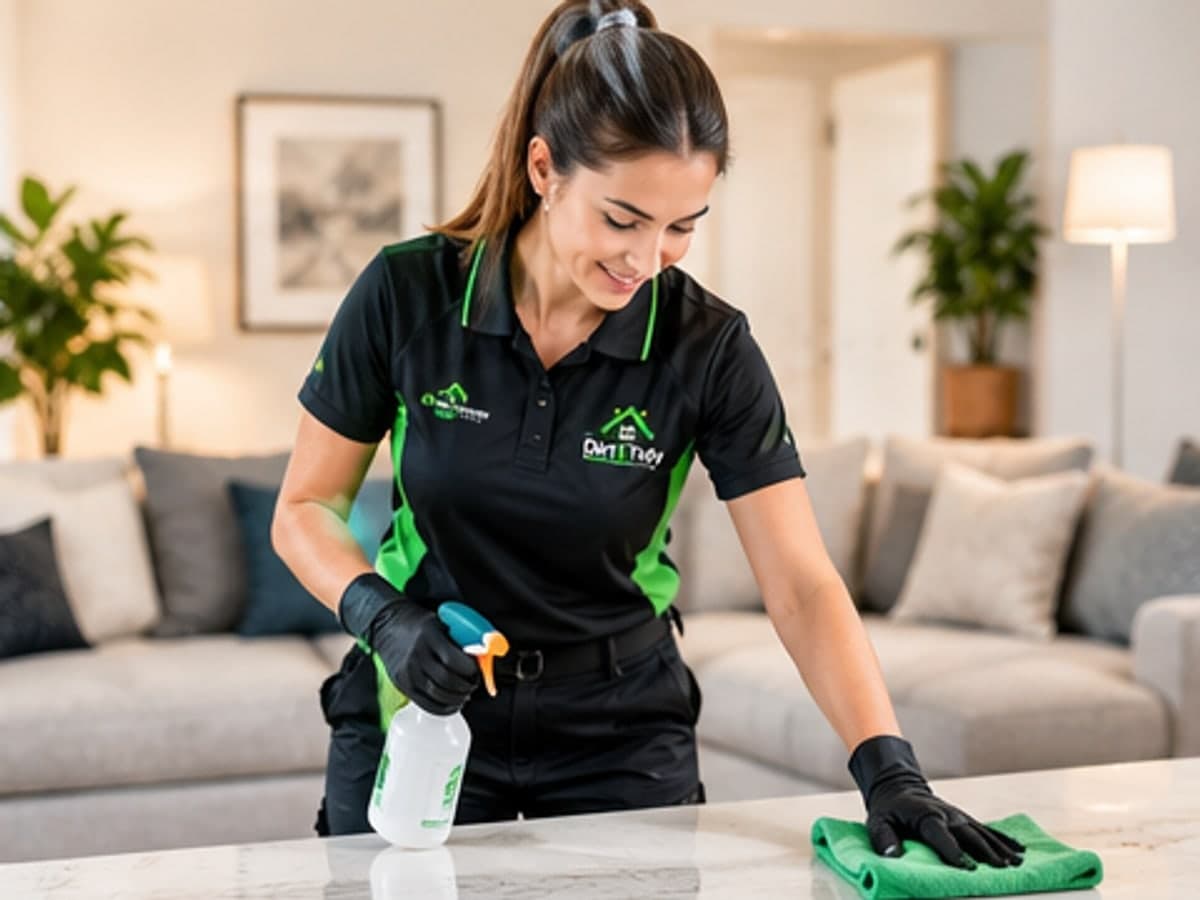
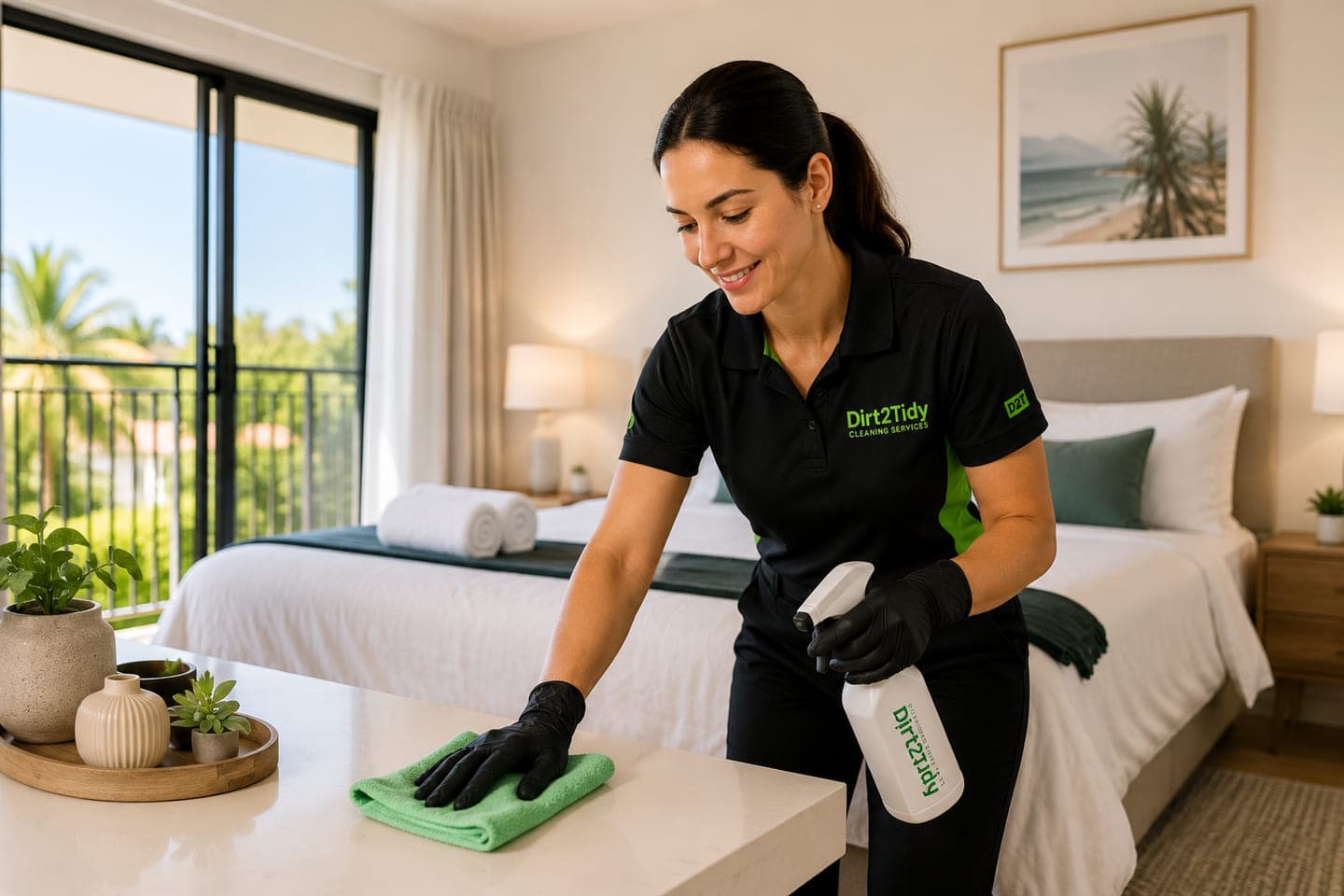
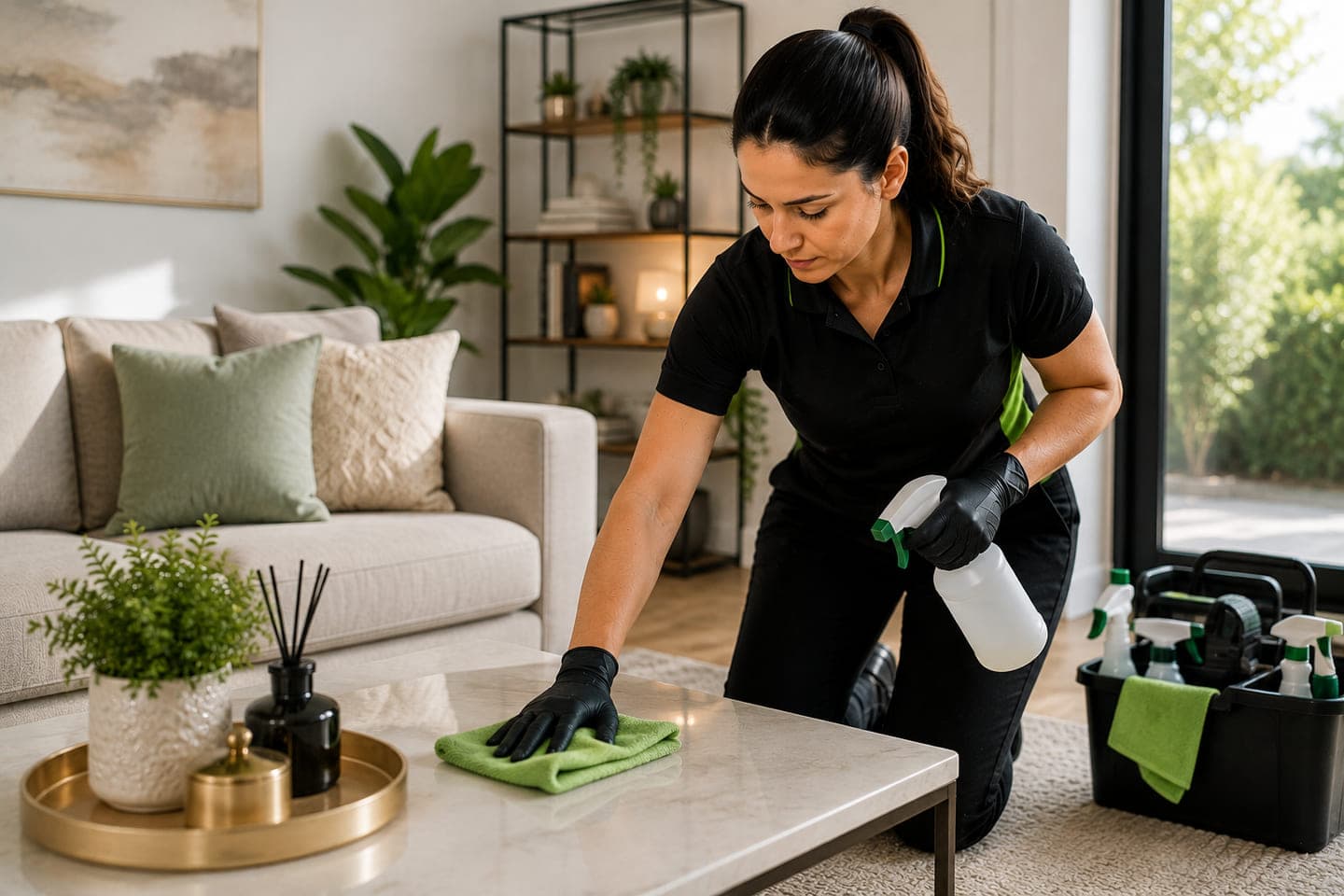
List the rooms, surfaces and tasks that matter most, then divide them into short sessions. Gather cloths, a suitable vacuum, bags and products approved for the surfaces. Keep cleaning products in their original containers and do not mix them. Arrange access and help before moving heavy furniture or bulky items.
Work from high surfaces to floors
Clear loose belongings, dust higher reachable surfaces, wipe accessible fixtures, then vacuum and clean floors with a compatible method. Use a stable step only where safe; do not climb on furniture or lean out of windows. Follow labels for dilution and contact time, and let surfaces dry as directed before returning items.
Give kitchens, bathrooms and fabrics separate care
Check appliance manuals before cleaning interiors, seals or removable parts. Select bathroom products for the surface and ventilate as directed. Check fabric-care labels before treating upholstery or carpets, test a suitable product in an inconspicuous area and avoid soaking materials that cannot dry promptly.
Keep outdoor and specialist work within scope
Sweep accessible paths and patios with a surface-appropriate method. Pressure washing can damage timber, paint, joints, cladding and nearby plants; check the surface and equipment instructions before use. Roof work, electrical tasks, pest treatment, repairs, mould remediation and hazardous waste need appropriate qualified providers, not a household spring-clean checklist.