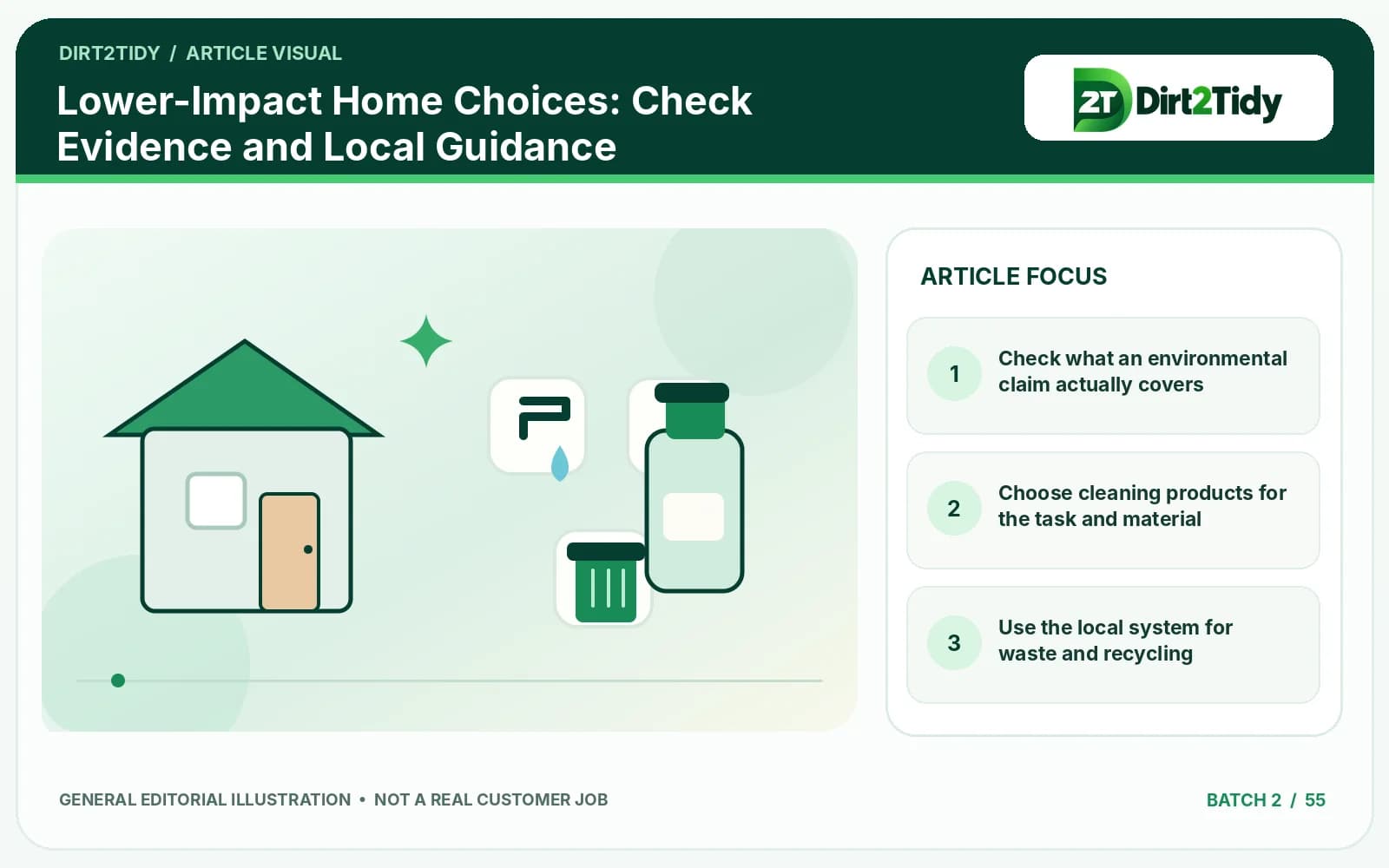
Check what an environmental claim actually covers
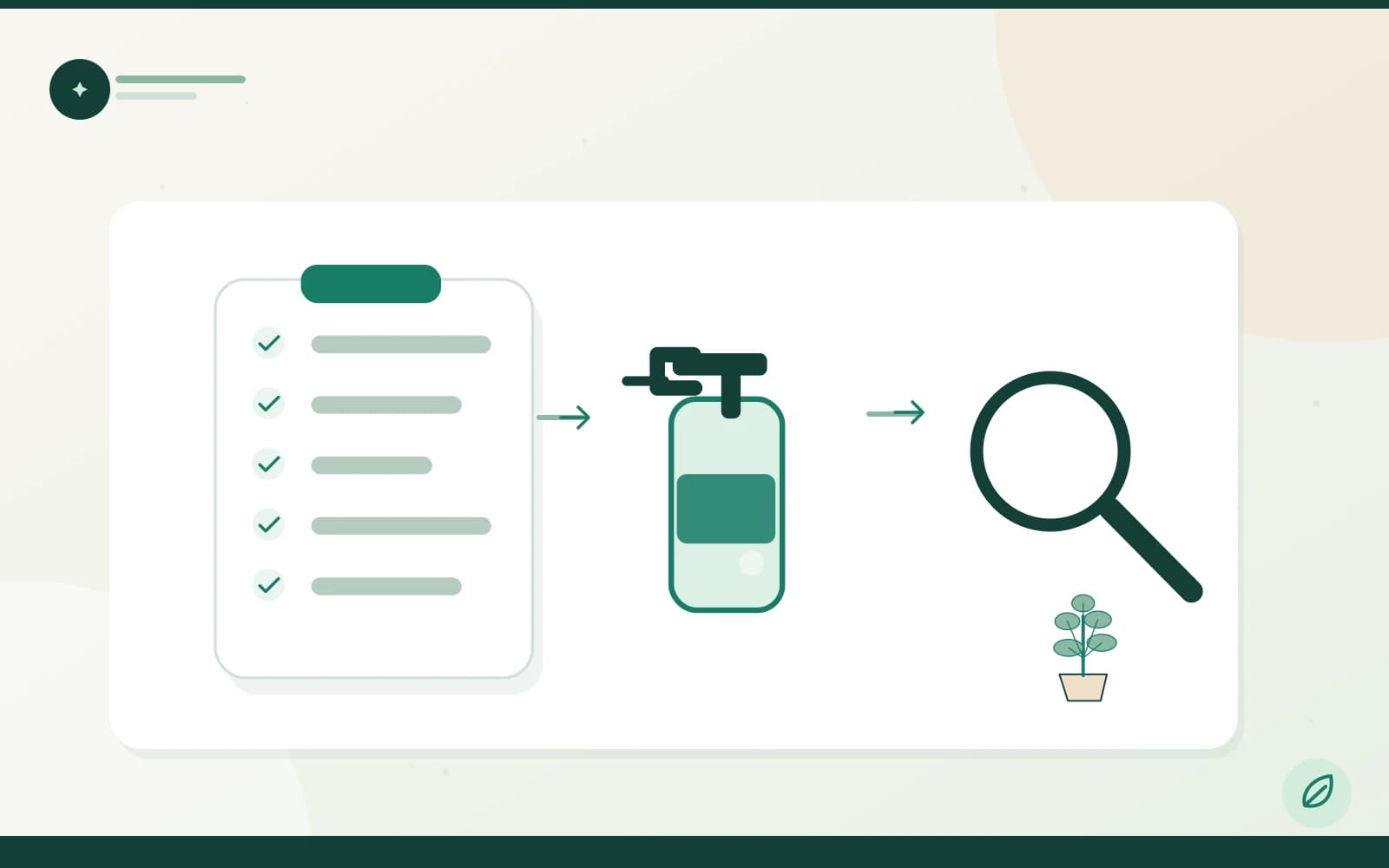
Read the full claim, product label and any cited certification or evidence. Ask whether the claim refers to ingredients, packaging, manufacturing, use or disposal, and whether it applies to your particular task. Avoid assuming that words such as natural, green or biodegradable prove a product is safe for every surface or occupant.
Choose cleaning products for the task and material
Use a product only when its label and the surface or appliance maker permit that use. Follow directions for application, protective measures, ventilation, storage and disposal. Do not make homemade vinegar, bicarbonate, bleach or essential-oil mixtures based on generic environmental claims, and never mix cleaners.
Use the local system for waste and recycling
Check your council’s accepted materials, collection rules and disposal options rather than relying on a generic Australia-wide bin list. For Victoria, DEECA’s household waste and recycling guidance explains local sorting and problem-item disposal. Other states and councils may differ.
Verify energy and water-saving claims
If a product or home change promises lower bills, energy use or water use, check the exact product specification and current guidance from the responsible state or territory authority or utility. Savings depend on the home, existing equipment, use and tariff; this page makes no numerical savings or emissions claim.
Separate routine cleaning from specialist work
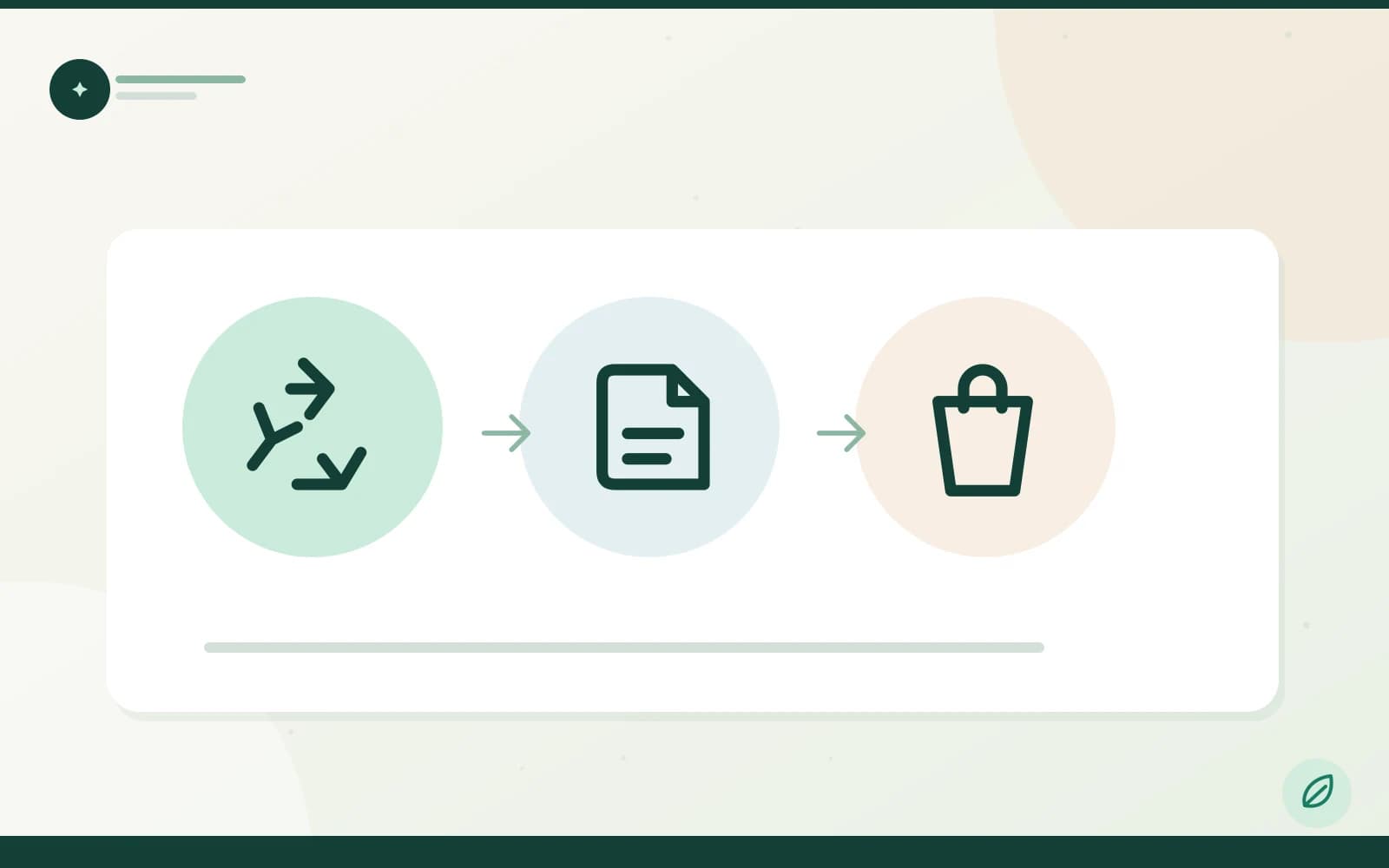
Cleaning is not energy auditing, plumbing, electrical work, hazardous-waste disposal or mould remediation. Ask a qualified professional for those tasks and confirm the scope and credentials. Keep environmental and performance claims linked to evidence for the exact service or product.