Table of Contents
Plants give life to this planet, therefore, having them nearby means we live in a healthy and
prosperous atmosphere. However, not all plants are the same, nor do they all require the same maintenance and treatment. Some plants are so popular, and beautiful that they’re considered a staple part of one’s household or office. Cactus plants are one of them, so if you are a fan of such cute plants, then here are some fun facts that you may not know about them.
They can be killed
Let’s get the first myth out of the way: cactus plants can absolutely be killed, no matter
where you live.
Therefore, it is essential to care for a plant properly in order to keep it alive for longer. Cactuses cannot hold water well, which means they need drainage. If you want to keep them alive, then it is best to invest in specialised cactus soil that will allow them to live and thrive on their own. This is why it is important to be informed when getting a new plant species: knowing all the information will allow you to prepare yourself for all the challenges.
Before you bring home a cactus, consider the natural conditions they thrive in—think high heat, dust, strong winds, and unpredictable bouts of heavy or scarce rainfall. Taking a cue from their origins, always choose a planter that allows for proper drainage; stagnant water is the quickest path to root rot and an untimely end for your plant.
When it comes to soil, a cactus-specific potting mix is truly beneficial. These plants need porous soil that drains exceptionally well, so avoid standard garden soil in favor of something tailored for succulents and cacti.
Placement is also key: never put your potted cactus in direct sun, as this can lead to scorching and damage. Instead, opt for a bright spot with indirect sunlight for three to four hours a day, or a partially sunny location. If you’re keeping your cactus indoors and sunlight is limited, consider giving it a "sun bath" by placing it outside for a few hours, several times a week.
Finally, the type of pot matters more than you might expect. Clay or terracotta pots are preferable to plastic, as they allow the soil to breathe and absorb excess moisture, helping to prevent overheating and water retention. This simple switch can make a noticeable difference in your cactus’s health and longevity.
By taking these thoughtful steps, you set your cactus up for a long and healthy life—proving that with the right care and a little preparation, even the most challenging plants can thrive.
Cactuses are flowering plants
Although in some places it is not common to see cactuses with flowers, the truth is: they are absolutely flowering plants. However, some cactuses have more prominent blooms such as Parodya or Mammamilaria. Such cactus plants can produce outstanding flowers. Those

flowers are often super colourful and quite impressive. If you love the combo of simplicity and rich flowers, then flowering cactuses are a perfect plant choice for your home.
What About Watering a Cactus?
Cactuses get a good reputation as being very low maintenance plants. For those who are just started their plant journey, that is actually great news. So how often should one water a cactus? The consensus is that they should be watered more often during spring and summer. So, if you live in a hot area, such as California, then it is important to water more. However, overwatering should also be avoided. Also, remember that you should always let the water dry completely before you decide to water again.
Sunlight: Direct or Indirect?
When it comes to sunlight, cactuses actually prefer a little moderation. Instead of placing your potted cactus right under harsh direct sun, which can scorch them, opt for a bright spot with indirect sunlight. A few hours—three to four, ideally—of gentle, filtered sunlight each day is usually plenty. Think of a sunny windowsill that gets light throughout the day but isn’t blasted with heat. This way, your cactus can soak in the rays without running the risk of sunburn.
It is important to get things right
Some suggest that you should grow your cactus from seed. Still, indoor growing can be
challenging especially if you lack experience in this. Therefore, it is best to opt for an existing plant and then learn to care for it properly. Having a living, breathing plant will make things easier for you. Also, if you live in Australia, mainly New South Wales, then you can treat yourself or your loved one to special plant gifts from Sydney. This is the best way to get some quality plants and then continue to care for them without any worrying. Getting things right from the beginning will save you from a lot of disappointment especially while you’re trying to learn valuable skills such as caring for plants.
The best cactuses for beginners
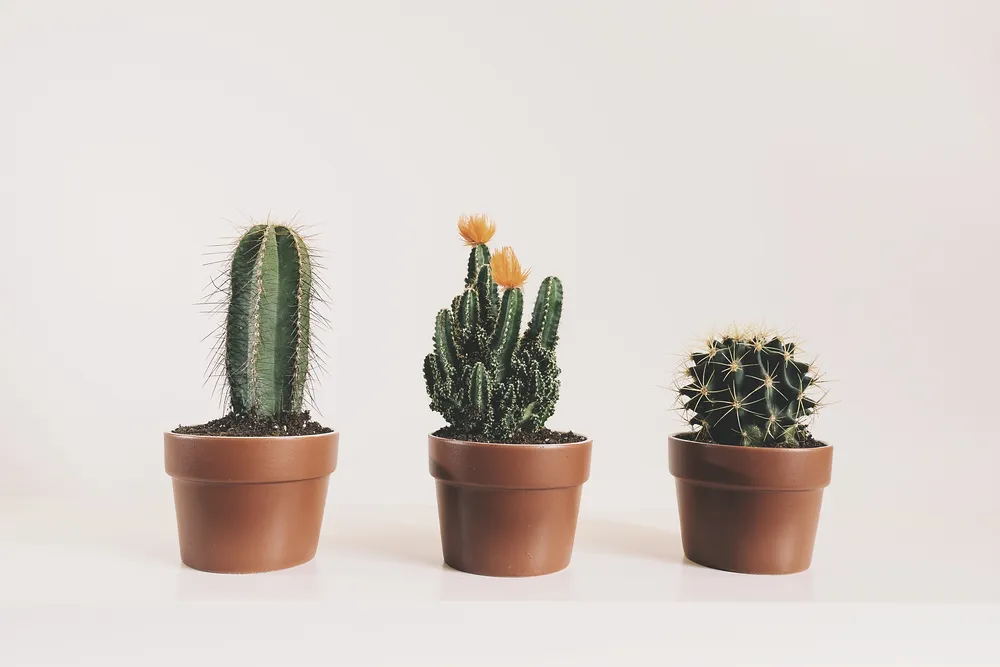
Beginners often have a hard time choosing the best and easiest plants. This is why cactuses are often suggested as a great way to start. But, even cactuses have their differences, so which ones are the best for beginners? Since pretty much cactuses have a similar maintenance routine, then feel free to pick a cactus that looks best. For example, polka dot cactus has gold bristles on their green leaves, which gives them a unique geometric look. And aforementioned Mamalaria cactus, also known as Pincushion cactus, is pretty easy to grow and has gorgeous pink flowers. So be sure to choose those that you would enjoy seeing in your home every day.
Caring for cactuses with limited sunlight
If your indoor space doesn’t get much direct sunlight, don’t worry—your cactus can still thrive. Simply make it a habit to move your plant outdoors a few times a week so it can soak up some natural sunlight. Think of it as a little sunbathing session for your prickly friend. Just a few hours outside, three or four times a week, can make a big difference in their health and appearance. This simple routine will help your cactus stay strong and colourful, even in a darker apartment or home.
Potting and repotting is also important
Cactuses (and other succulents) can often get too big. Hence, it is essential to report it when necessary. For absolute beginners out there, potting and repotting can seem like a foreign language sometimes. But with a bit of practice, it is possible to master this skill. Cacti should be repotted right at the start of the growing season, but only when they need fresh soil, or they’ve started to rot. Also, when repotting, be sure to use protective gloves and all the necessary tools. So, first you’ll remove the plant from its current pot and put the potting mix into a clay pot that has a fast-draining system. Add the plant, especially around the sides and make sure to cover the roots. After that, add a little bit of water, and that’s it. You’ve just repotted your first succulent!
Common issues with indoor cacti
Just like any other indoor plants, cacti also have their ailments and issues. It is important to get familiar with them, in order to be prepared. So, the first thing to avoid is overwatering, especially in winter. Overwatering is actually the number one culprit behind cactus woes—most cases of rot and sudden cactus demise can be traced directly to giving them too much water. This is a classic pitfall, especially if your cactus is living alongside thirstier houseplants and you’re in the habit of watering everything at once. So, mark your calendar or set a reminder: skip watering your cactus if you’re tempted to treat it like your other leafy friends. Consider this point crucial—cacti survive drought far better than drowning.
If you use a non-organic fertiliser, then that may also damage your cactus. Also, chemical fertilisers contain a lot of toxic metals that can be damaging to a sensitive cactus plant, as there are no protective leaves or bark. If the rot is prominent, then it is best to start a new plant from cuttings or unfortunately to discard it completely.
In short, treat your cactus as the low-maintenance, drought-loving wonder it is, and it will reward you with resilience—just don’t kill it with kindness.
So be sure to treat your cactus plant regularly, so you’ll avoid infection and other issues.
There are so many species of cactus, but not all of them are equally suitable. These facts will help you learn more and possibly get a few cactus indoor plants to care for. Remember that being informed, and enjoying plant maintenance will surely make your plant live for a long, long time. if you are looking for an affordable nursery in Gold Coast, The Plant Distro are the go-to.