Table of Contents
Ever thought about hanging a picture frame, mounting a TV, or putting up a shelf in your rental apartment but hesitated due to concerns about wall damage? You’re not alone! In Australia, over 30% of renters are unsure about their rights when it comes to modifying rental properties. According to NSW Fair Trading, tenants must get landlord approval before making permanent changes, such as drilling holes into walls.
With the growing demand for rental-friendly options and strict end-of-lease conditions, it’s essential to know your rights and explore damage-free alternatives. So, is it okay to put holes in your apartment walls, and what are the best ways to hang items without jeopardizing your bond? Let’s dive in!
Introduction:
When you move into a rental property, it’s natural to want to make it feel like home by hanging artwork, mounting shelves, or setting up a TV. However, many Australian tenants are unsure whether they can drill holes into apartment walls without violating their lease agreement.
According to NSW Fair Trading, any modifications that cause permanent damage to the property—such as drilling holes, hammering nails, or mounting heavy fixtures—usually require landlord approval. If you don’t seek permission, you risk losing part of your bond when your lease ends.
So, what are your options? Can you legally put holes in your walls, and if not, what are the best rental-friendly alternatives to prevent damage? Let’s explore your rights as a tenant, discover the best ways to secure items without drilling, and learn how to fix any accidental holes before moving out.
Challenges of Putting Holes in Apartment Walls
While hanging shelves, frames, or decorations might seem straightforward, doing so in a rental property comes with some significant challenges. Here’s what you need to consider before reaching for the drill:
1. Lease Restrictions & Landlord Approval
✔ Many rental agreements specifically prohibit modifications without written approval.
✔ Even small holes might be considered damage, leading to potential deductions from your bond.
✔ Some landlords are lenient and may allow minor changes, but others enforce strict no-damage policies.
2. Risk of Losing Your Bond
✔ End-of-lease inspections are thorough—if the walls show visible holes, you may be charged for repairs, which can be deducted from your bond.
✔ If the holes are too large or the damage too severe, landlords may require professional repairs at your expense.
3. Structural & Safety Issues
✔ Drilling into hidden electrical wires or plumbing behind the walls can result in costly and dangerous damage.
✔ Some wall materials, such as concrete or tiled surfaces, are difficult to drill into and may crack or break if not done correctly.
Drilling or making modifications in rental properties can lead to issues beyond just a few misplaced nails. Tenants often underestimate the impact of small, seemingly harmless actions like excessive nail holes, which can weaken walls and create unsightly marks. Additionally, altering surfaces without approval—such as applying wallpaper—can cause significant damage when removed, like peeling paint or damage to the drywall.
Consider these potential issues:
- Nail Holes: Overuse of nails can cause structural damage to walls, doors, and cabinetry.
- Wallpaper: Improper installation or removal can leave behind damage that’s costly to repair.
- Security Deposits: In many cases, a standard bond won’t cover the extensive repairs needed to fix wall damage, leaving the landlord out of pocket.
By understanding these risks, tenants can avoid unnecessary complications, while landlords can take steps to ensure their properties are well-protected.
4. Finding the Right Repair Solutions
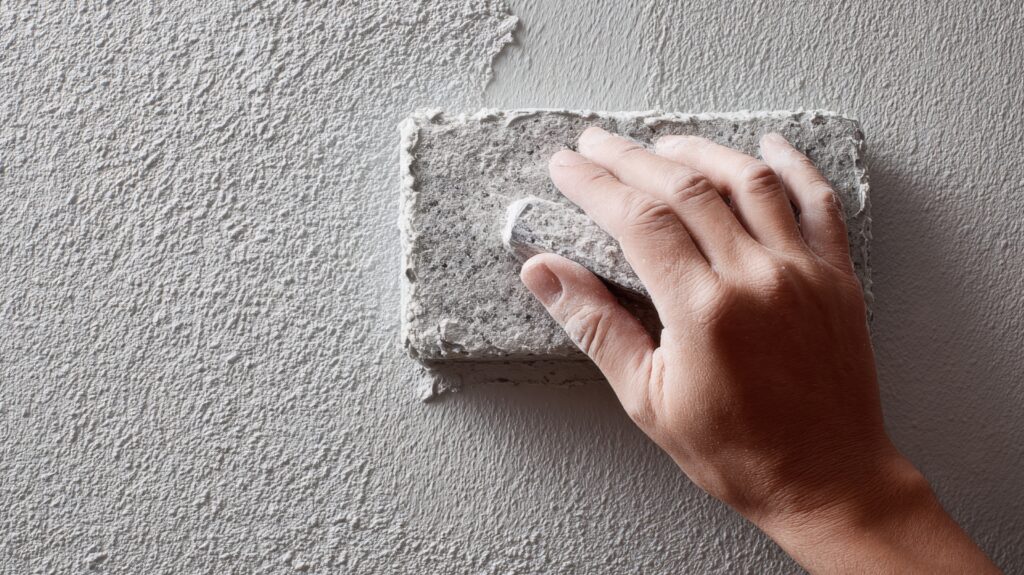
✔ While small holes can usually be patched with putty or spackle, larger holes or cracks may require professional repairs.
✔ Matching the paint color after repairs can be a tricky task, often leading to noticeable patchwork and uneven walls.
Being aware of these potential issues is essential for both tenants and landlords. Taking preventative measures and seeking rental-friendly alternatives can save time, money, and frustration at the end of your lease.
Want to personalize your rental without damaging the walls? Dirt2Tidy offers bond-safe wall repair services to fix any accidental holes before your final inspection! Book Your end of lease Cleaning Service Today!
Difficulties Tenants Face When Hanging Items in Rentals
1. Limited Modification Rights
✔ In some states, tenants are allowed minor modifications, but others require strict landlord approval before any changes are made.
✔ Different states, such as Queensland, NSW, and Victoria, have varying rules regarding modifications—knowing your rights is crucial to avoid any misunderstandings.
2. Rental-Friendly Hanging Alternatives Are Limited
✔ Adhesive hooks or strips may seem like an easy solution, but they often can’t support heavy items like large mirrors or TV mounts.
✔ Some adhesives leave behind residue or peel off paint, potentially causing more damage than anticipated.
3. High Cost of Repairs If Not Done Correctly
✔ Hiring a professional to fix wall damage can be expensive, especially if there are multiple holes or significant damage.
✔ DIY patching can often result in mismatched textures or noticeable repairs, which can stand out during an end-of-lease inspection.
4. Handling End-of-Lease Cleaning & Repairs
✔ Even if holes are patched, landlords may charge for painting if the repair isn’t seamless, leading to additional costs at the end of the lease.
✔ Combining cleaning, repairs, and painting before moving out is essential to ensure you receive your full bond refund.
To thoroughly document the condition of your rental before and after making any changes or repairs, tenants should follow these steps:
- Photograph Before Making Changes: Capture clear images of the wall or area before making any alterations. This provides an initial record of its state.
- Document During Repairs: As you proceed with repairs, take additional photos to show the progression and methods used. This can help demonstrate that proper techniques were followed.
- Post-Repair Photos: Once repairs are completed, take another set of photos to capture the final result. These images will help compare the final state with the original condition.
By maintaining a visual timeline of repairs, tenants can effectively prove that the property was returned to its original condition, making it easier to secure a full bond refund.
Don’t risk losing your bond over minor wall damage! Let Dirt2Tidy’s expert team handle hole repairs, wall patching, and end-of-lease cleaning for a stress-free move-out. Book Your Service Today!
How Documentation Protects Tenants in Damage Repairs and Security Deposits
Dealing with damage in a rental unit can be stressful, but thorough documentation can make all the difference when it comes to repairs and your security deposit.
Why Documentation Matters
- Avoid Costly Redundancies: Documenting damage accurately helps prevent unnecessary costs. Property managers often seek to avoid repeat repairs. If the initial repair isn’t up to standard, you could be charged twice. By keeping detailed records—such as professional estimates and photographs—you create a clear timeline and evidence of your repair efforts.
- Lease Agreement Clarity: Your lease agreement outlines your responsibilities, and understanding these terms is essential. Generally, tenants are expected to restore the unit to its original condition. Proper documentation helps ensure you meet these requirements without disputes or misunderstandings.
How to Document Effectively
- Photographs: Take clear photos of the damage before, during, and after repairs. These pictures illustrate the progression and provide proof that you’ve restored the area to its original condition.
- Professional Estimates: If the damage is significant, seek estimates from professionals. These documents substantiate the scope and cost of necessary repairs and can be crucial in protecting your rights.
- Detailed Record Keeping: Maintain a log of all communications and actions taken regarding the damage. This could include emails with your landlord, contractor notes, and receipts for repairs or materials.
Protecting Your Deposit
Landlords require solid proof to justify withholding part of your security deposit. By providing comprehensive documentation—photos, estimates, and records—you’re well-positioned to contest any unfair deductions. This evidence demonstrates that you’ve returned the property to its original state, meeting your lease agreement’s terms, and helping to safeguard your deposit.
In conclusion, meticulous documentation not only facilitates hassle-free damage repairs but also ensures your security deposit is returned in full.
Settling into Your New Apartment: Navigating Wall Drilling and Decor
The excitement of moving into a new apartment often comes with the desire to personalize your space. Whether it’s mounting a TV for cozy movie nights or adding some wall art to infuse character into your surroundings, drilling holes in the walls can be both practical and aesthetically pleasing.
Guidelines for Making Modifications to Rental Properties in Australia
Before you start drilling, it’s essential to consider the guidelines for making modifications to rental properties in Australia. These rules help ensure you maintain a good relationship with your landlord and avoid risking your bond:
- Seek Landlord Approval: Always check your lease agreement for clauses regarding modifications. Get approval from your landlord before making any permanent changes to the property, such as drilling or hammering.
- Use Rental-Friendly Solutions: If drilling isn’t allowed, look into alternatives such as adhesive hooks, picture rails, or temporary mounting solutions. These can often hold lightweight items like frames or small shelves without causing damage.
- Be Mindful of Repairs: If you do make any alterations, be prepared to repair any holes or marks before you move out. Document everything and restore the property to its original condition to ensure you receive your full bond back.
By following these guidelines, you can decorate your new space without worrying about damaging the property or losing your bond. Always remember, communication with your landlord is key to avoiding complications.
Respecting Your Space and Your Landlord
Drilling holes in apartment walls can certainly enhance your living space, but it’s crucial to proceed thoughtfully to avoid complications with your landlord and maintain the integrity of the property.
1. Review Your Lease Agreement
Before you grab the drill, take a close look at your lease agreement. Many landlords include clauses that address modifications like wall alterations, and it’s essential to understand any restrictions or permissions outlined. Knowing these details upfront will help you avoid disputes later.
2. Communicate with Your Landlord
Open, honest communication is key. If you’re considering hanging art, mounting a TV, or installing shelves, talk to your landlord first. They may have their own preferences or conditions under which they’ll allow modifications. Always get approval in writing to avoid any issues when moving out.
3. Utilize Proper Tools and Equipment
When you do get the green light to drill or make modifications, use the right tools. For heavy items like large mirrors or TVs, make sure you’re using wall anchors, studs, or brackets designed for your wall type. Proper equipment helps prevent unnecessary damage and ensures the safety of your decor.
4. Temporary Solutions
If drilling isn’t an option, there are plenty of rental-friendly alternatives. Consider using removable adhesive hooks, picture hanging strips, or tension rod systems. These options allow you to hang decor without leaving permanent marks or holes.
5. Patch and Paint
If you’ve received permission to drill, be prepared to restore the walls when it’s time to move out. Patching up holes and painting over any marks is generally the tenant’s responsibility. Keeping the walls in the same condition you found them will help you secure your full bond back.
6. Professional Help
For more complex installations, like mounting a TV, it’s worth hiring a professional installer. They can ensure the job is done correctly and minimize the risk of causing damage to the walls or structure.
7. Respect Neighbors
Be mindful of noise, especially in apartments with shared walls. Drilling can be noisy, so try to schedule it during reasonable hours to avoid disturbing neighbors.
By following these strategies, you’ll not only maintain the integrity of the property but also foster a positive relationship with your landlord, leading to a smooth and stress-free tenancy.
How Maintaining Your Rental Property Can Simplify Move-Out Repairs
Taking care of your rental property throughout your lease term can significantly ease the process of handling repairs before you move out. A proactive approach to maintenance helps prevent costly damage and ensures you leave the property in good condition.
Practical Tips for Damage Prevention
- Hang Decorations Thoughtfully: If you’re mounting heavy objects like TVs, use wall anchors or brackets designed to minimize wall damage.
- Choose the Right Adhesives: Use removable adhesives or hooks for hanging art or lightweight decor instead of nails, which can leave permanent holes.
- Careful Application of Wall Treatments: If you’re interested in wallpaper, opt for peel-and-stick varieties that are easy to remove without leaving damage.
Why Prevention Matters
Avoiding damage by using appropriate methods can save you from expensive repairs later. Small mistakes, like excessive nail holes or poorly applied wallpaper, can lead to costly fixes and quickly eat up your security deposit. Taking these preventative steps helps maintain the property’s condition and keeps potential penalties at bay when your lease ends.
Resources at Your Disposal
If you’re unsure about making any modifications, consider these options:
- DIY Tools: Visit your local hardware store for tools designed for non-damaging installations, such as appropriate drill bits, levelers, or adhesive solutions.
- Professional Services: Hiring a local handyman can be a wise investment for ensuring installations are done without causing damage to the property.
By taking care of your rental home, you’ll make move-out repairs quicker, simpler, and potentially less expensive, benefiting both you and your landlord in the long run.
Are You Able to Drill Holes in Apartment Walls?
Yes, you can, but it’s important to remember that any changes you make must be undone when you move out. Drilling holes, hanging items, or applying permanent alterations like mounting kits must be patched before you leave.
Imagine if every tenant drilled holes in the walls—it would damage the property and reduce its value over time.
Before drilling, always get written permission from your landlord. If they refuse, respect their decision. If they agree, remember to patch up any holes before moving out to avoid losing your bond.
By following these steps, you can personalize your rental without the risk of causing damage or losing your deposit.
What Happens When Holes Are Drilled in Apartment Walls?
You may feel like your landlord is standing in the way of your creative ideas for personalizing your apartment, but they are simply looking out for the property’s condition. If you were the landlord, you’d likely do the same.
So, what happens if you drill holes in the walls of your apartment? The answer depends on whether your landlord notices or not when you move out.
If the landlord finds out, the consequences may not be minor. You could lose your security deposit, and the landlord might require you to repair the damage before you vacate the property.
Why Does This Matter?
While it might seem like a trivial issue to drill holes for mounting a TV or hanging artwork, the reality is that drilling into the walls can cause long-term damage. These damages can be costly to repair, and landlords are within their rights to ask tenants to restore the property to its original condition when they leave.
Rental Agreements and Responsibilities
When you sign a rental agreement, you’re agreeing to the terms set by your landlord, including what modifications you’re allowed to make. These contracts usually outline restrictions such as whether you can drill holes, paint the walls, or replace flooring.
If you breach these terms, you’re legally responsible for restoring the apartment, which might include filling holes and repainting. Even if you think you can fix the holes before moving out without anyone noticing, it’s important to remember that the landlord can still inspect the apartment at the end of the lease.
The Bottom Line
Respecting your rental agreement is crucial. If you do decide to drill holes in the walls without permission, be prepared for the possibility of losing your deposit or facing repair costs. If you’re determined to make changes, always seek approval from your landlord in advance. It’s far better to ask for permission than to face the consequences later.
While personalizing your space is understandable, it’s essential to balance your desires with the responsibilities outlined in your rental agreement.
How to Fix Holes in Apartment Walls?
There’s no harm in wanting to personalize your apartment with a few holes for things like hanging shelves, TV mounts, or window blinds. However, if you plan to follow most lease agreements and want to ensure you get your full security deposit back, it’s important to fix any damage you’ve caused to the walls.
Here’s how to fix different types of holes in your apartment walls:
1. Fixing Holes in Drywall
If you’ve made holes in drywall, follow these steps to repair them:
- Materials Needed:
- Sheetrock putty (also known as joint compound)
- Drywall patch (for larger holes)
- Putty knife
- Sandpaper
- Steps:
- Clean the Hole: Remove any loose debris from the hole and clean the surrounding area.
- Apply Joint Compound: For small holes, use a putty knife to apply sheetrock putty. Smooth it out so it fills the hole completely.
- For Larger Holes: If the hole is too big for just putty, you may need a piece of drywall patch. Place it over the hole, apply joint compound around the edges, and smooth it with a putty knife.
- Let it Dry: Allow the joint compound to dry completely (this can take several hours to a day, depending on the size of the hole).
- Sand: Once the compound is dry, sand it down until it’s flush with the surrounding wall.
- Prime and Paint: If needed, apply primer and paint to match the surrounding wall.
2. Fixing Holes in Plaster Walls
Plaster walls are a bit trickier than drywall, but the process is still manageable:
- Materials Needed:
- Veneer plaster
- Joint compound
- Putty knife
- Sandpaper
- Steps:
- Clean the Hole: As with drywall, remove any loose plaster and dust from the hole.
- Apply Veneer Plaster: Apply veneer plaster to the hole using a putty knife, smoothing it out as you go.
- Apply Joint Compound: If necessary, apply a thin layer of joint compound to smooth and level the surface.
- Let it Dry: Allow the plaster and compound to dry fully.
- Sand: Once dry, use sandpaper to smooth the patch until it’s level with the rest of the wall.
- Prime and Paint: Finally, apply primer and paint to blend the patch with the surrounding wall.
3. Fixing Tiny Holes (DIY Trick)
If you’re dealing with tiny holes (like nail or screw holes), you can use white toothpaste as a quick and easy fix:
- Materials Needed:
- White toothpaste
- Putty knife or your finger
- Sandpaper
- Steps:
- Apply Toothpaste: Squeeze a small amount of white toothpaste into the hole. Use a putty knife or your finger to fill the hole completely.
- Smooth: Smooth the toothpaste so it’s level with the wall surface.
- Let it Dry: Allow it to dry completely.
- Sand: Lightly sand the patched area until it’s smooth and flush with the wall.
4. Fixing Holes in Window Trim
If you’ve caused holes in your window trim, you’ll need a wood filler solution:
- Materials Needed:
- Wood filler
- Putty knife
- Sandpaper
- Steps:
- Clean the Hole: Clear out any debris or loose wood from the hole.
- Apply Wood Filler: Use a putty knife to apply wood filler into the hole, making sure it’s completely filled.
- Let it Dry: Allow the wood filler to dry according to the manufacturer’s instructions.
- Sand: Once dry, sand the filler until it’s smooth and level with the trim.
- Paint or Stain: Touch up with paint or stain to match the rest of the trim.
Final Touch: Paint and Blend
After you’ve patched up the holes, the key to ensuring they’re invisible is proper finishing. Once everything has dried and been sanded smooth, make sure to touch up with matching paint (or stain for trim) to blend the patches seamlessly into the surrounding surfaces.
By following these steps, you’ll ensure that any holes you’ve made are properly repaired, keeping your apartment in good condition and helping you avoid any deductions from your security deposit.