Table of Contents
One of the most efficient Termite Chemical solutions now on the market for eliminating and preventing termite problems is chemical extermination. But picking the best one is more complicated than just selecting the glossiest pesticide spray can from the supermarket’s aisles.
The reality is that there have been several modifications to the chemical control solutions used to treat termites. It should go without saying that before having any type of work done on your house, you should thoroughly consider your alternatives, like hiring a pest management and pest control service.
Termite Chemicals Used in Termite Treatment are Classified
These two categories of termiticides account for the majority of chemicals used in termite treatments by pest control companies for pest problems.
Non-repellent
These are regarded as among the greatest options because of how well they work to destroy termites. Because white ants cannot identify the most recent generation of these termiticides, they are quite effective with their active ingredient.
Repellent
The simplest form of termite chemical control is using this kind of chemical. The fact that they are still in use on the market suggests that they are just as durable and efficient as their non-repellent equivalent.
Choosing a Termiticide That Is Effective for You
You will undoubtedly be overwhelmed by the sheer quantity of these wood-eating bugs when you decide what sort of termite chemical treatment to apply against them. Yes, picking the finest termite-killing substances is not an easy task.
You may also like to read: How to be sure I don’t have termites?
You’ll need to carefully consider each termiticide option on the market and choose the one that best fits your scenario in order to make the decision-making process easier.
It’s important to note, however, that termites have become tougher through time, and many of them can survive poisons that have long been accessible to the general population. To get rid of these intruders in this situation, a stronger, more effective chemical must be used, but that is easier said than done.
Understanding the Cost of Chemical Termite Barriers
Investing in a chemical termite barrier can save you a significant amount of money down the line. While repairing termite damage can be costly, preventing it is usually more economical.
What Goes Into the Cost?
A comprehensive termite barrier involves several labor-intensive steps, such as digging trenches and drilling into concrete. This is what protects your property from termites for up to eight years. To ensure the barrier remains effective, an annual inspection is usually recommended. If there’s already termite activity, localized treatments might also be necessary.
Price Range Explained
For a full perimeter treatment, you can expect to spend between $1,500 and $5,000, depending largely on the size of your property. This might seem like a significant upfront cost, but it pales in comparison to potential repair expenses that aren’t covered by insurance.
Are There Cheaper Options?
There are more affordable treatments available, often using repellent chemicals. However, these may not solve the problem long-term, as termites can simply return by finding weaknesses in the barrier or through other oversight issues, such as wood left against your house or neglecting to re-treat the area.
The True Cost of Cheaper Alternatives
While initially less expensive, these options could ultimately result in more significant expenses. Thorough barriers like those involving brands like Termidor, often provide more durable protection compared to repellent-based solutions.
When faced with the decision, consider the potential long-term savings. Maintaining your barrier and combining it with additional measures like bait stations can provide a robust defense against termites.
How to Choose the Right Chemical Treatment for Effective Termite Control
Selecting the right termite chemical treatment for termite control can be a daunting task, but with the right approach, you can protect your home effectively. Here’s how you can make an informed decision:
1. Evaluate Your Situation
Begin by assessing the severity of your termite problem. Is it a minor infestation or a larger invasion? Your level of infestation will influence the type of treatment you should consider.
2. Understand the Types of Termiticides
Familiarize yourself with the two main categories of termiticides:
- Liquid Soil-Applied Termiticides: These create a barrier in the soil that keeps termites from entering the structure.
- Termite Baits: These are strategically placed around your property to attract and poison termites.
3. Consult the Experts
While DIY solutions are available, consulting professionals can offer insights that are specific to your situation. Pest control experts can provide you with recommendations based on current termite resistance patterns and local regulations.
4. Consider Safety and Environmental Impact
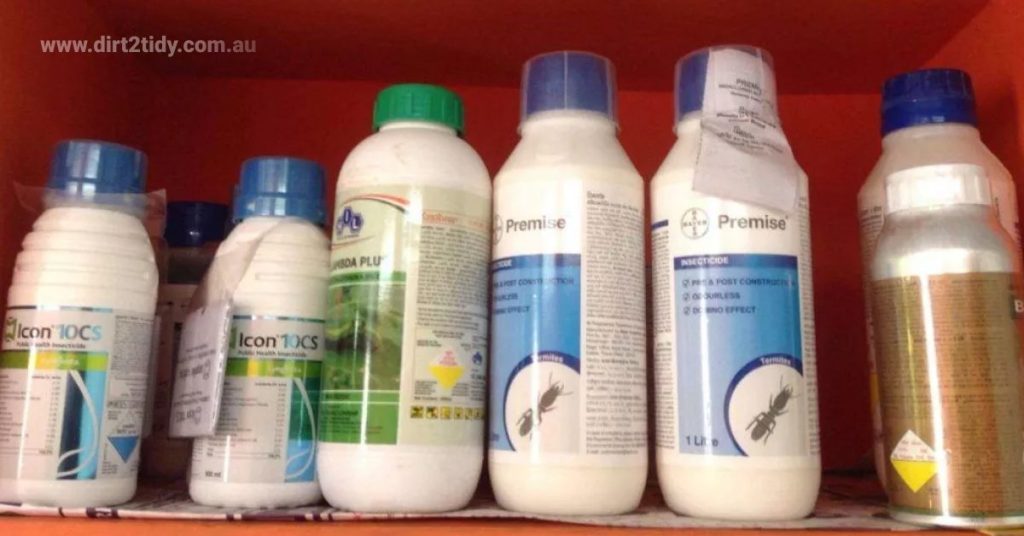
Modern termiticides vary in their environmental and health impacts. Choose products that are effective yet safe for humans, pets, and the ecosystem. Products like Altriset and Premise are known for minimizing environmental damage.
5. Review Regulatory Guidelines
Ensure that the products you choose comply with local and national regulations. Due to concerns about health and environmental safety, there are numerous restrictions on the use of strong termite chemicals.
6. Product Effectiveness and Longevity
The best chemicals will not only get rid of existing termites but also protect against future invasions. Look for products that offer long-term solutions.
7. Check Reviews and Brand Reliability
Research customer reviews and choose well-established brands. Products from reputable manufacturers like Termidor have a track record of efficacy.
With these steps, you can choose a termite treatment that is effective and responsible. Always remember, the right choice safeguards not only your property but also the well-being of your surroundings.
Since the indiscriminate and unplanned use of these termite chemicals can harm humans as well as the nearby environment, strong regulations are already in place regarding their usage.
Therefore, how can you choose the best chemical termite treatment? You start by determining what is important to you.
Analysing Chemical Termite Treatments Correctly
Consider the price, shelf life, and toxicity of the insecticide you’re choosing when you start looking for a safe and efficient termiticide. These factors are crucial in determining the overall effectiveness and safety of the solution you select.
Price and Longevity: A cost-effective termiticide that doesn’t compromise on longevity ensures that you aren’t frequently reapplying treatments, which can add up financially over time. Choosing a product with a longer shelf life also means fewer purchases, saving you money in the long run.
Toxicity: Toxicity is another critical consideration. A product that is highly toxic could pose significant health risks to you, your family, and your pets, even if it effectively eliminates termites. It’s essential to find a balance between efficacy and safety.
Any omission may result in a termite treatment that may be less effective but nonetheless dangerous for you, your family, and your pets. Thank goodness, there are many solutions available, and you can select one that functions without posing a risk.
By carefully weighing these factors, you can select a termiticide that not only solves your termite problem effectively but also maintains a safe environment in your home
Speaking of safety, it’s interesting that Australia has some of the most stringent rules for the pest control, so you can be confident that the commercially available chemicals for termite treatment have undergone thorough testing.
You may also like to read: What is the best non-toxic way to control termites?
In other words, before pest exterminators employ them, they must have received national and state approval from the pest control industry. This is why you should only use termiticides that have received official approval since you can be confident that they adhere to established guidelines and are safe for both humans and the environment.
How Are Chemical Termite Barriers Installed?
Installing chemical termite barriers is a strategic process designed to protect homes from termite infestations. Here’s a step-by-step breakdown of how these barriers are typically implemented:
1. Preparing the Ground
- Trenching: Begin by creating a trench around the building’s perimeter. This trench is crucial for applying termiticide directly into the soil, forming a shield against termites.
- Dealing with Obstacles: For areas covered by pavement or cement, technicians will drill holes to access the underlying soil.
2. Applying the Termiticide
- Liquid Treatment: A professional exterminator applies a liquid termiticide to the trench. This creates a continuous protective zone in the soil that wards off termites.
- Injection Technique: In drilled areas, the termiticide is injected into the soil, and the holes are subsequently sealed. The sealing plugs can be matched to the ground’s color for aesthetic purposes.
3. Protecting Structures with Concrete Stumps
- Retaining Effectiveness: Even buildings with concrete stumps that are raised off the ground need protection. Although the structure may seem impervious, termites leave scent trails that can attract future infestations.
4. Utilizing Reticulation Systems
- Ongoing Protection: Another method involves installing a reticulation system. This allows for even distribution of termiticide and makes replenishing easier over time.
- New Constructions: When building a new home, consider installing the reticulation system before pouring the concrete slab. This ensures an unbroken protective barrier.
5. Regulations and Recommendations
- Compliance with Standards: Homes utilizing slab-on-ground designs may need both a liquid barrier and a reticulation system due to evolving building regulations since 2017.
6. Ideal Times for Installation
- Renovations: Installing a reticulation system is particularly convenient during renovations or when adding new concrete or pavers, providing long-term termite protection.
By following these steps, homeowners can ensure their properties are shielded from the destructive power of termites, maintaining the integrity of their investments.
Safety precautions for termite removal
When it comes to protecting your home from termites, understanding the safety and effectiveness of chemical termite barriers is crucial. Historically, the use of organochlorine insecticides in the 1950s raised significant safety concerns due to their toxicity to humans and the environment. These concerns led to the phasing out of such chemicals by the mid-1990s.
Today, only chemicals listed on the pesticide registers, which have passed strict safety requirements, are approved for use. This ensures that modern termiticides are not only eco-safe but also safe for families, pets, plants, and wildlife when used according to the product label.
Naturally, you must always use the required caution while working with chemicals, particularly termiticides. There is no need to put yourself in unnecessary danger by spraying such potentially dangerous compounds indiscriminately, even if you are dealing with a major termite infestation.
Keep the following in mind as you prepare to get your property treated with chemicals to get rid of and drive away white ants:
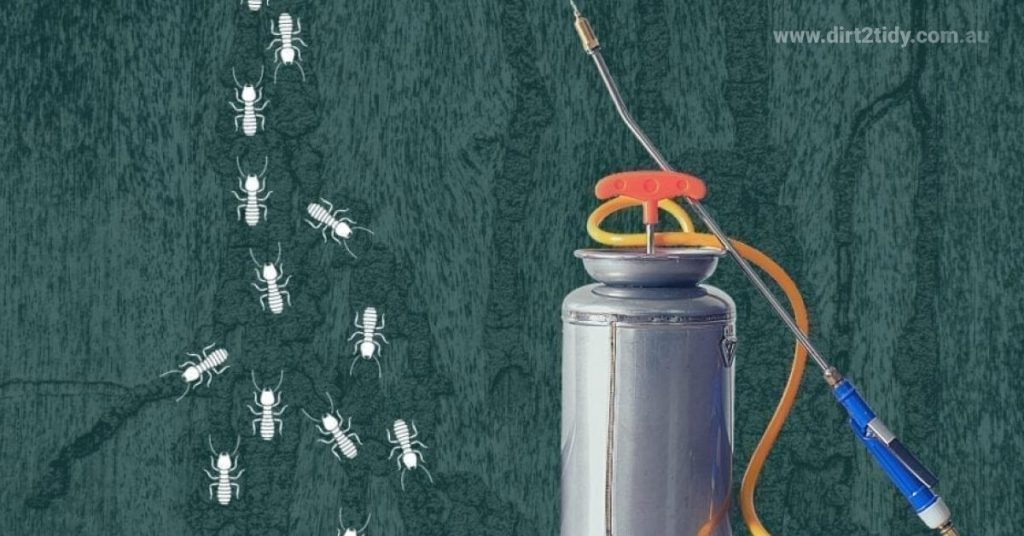
Touching treated soil is not advised.
- After the chemical treatment, make sure the space is thoroughly aired.
- Keep children and pets away from the treated property.
- Verify whether any of your immediate family, renters, or pets are allergic to the termiticides being used.
- Consult the expert termite technician about further safety precautions to take.
- Termite protection chemicals you can rely on
- Even though many pesticides are approved for use in termite treatment, there may still be numerous out-of-date compounds lying around ready to harm human health and the environment. While today’s regulations require only rigorously tested and registered chemicals, it’s not uncommon to encounter older products stored in sheds, garages, or under sinks—sometimes inherited from previous owners or overlooked during a cleanup. These outdated termiticides, left over from decades past, can pose lingering risks if accidentally used or improperly disposed of.
Tip: Always check the labels and expiry dates of any termite control products you find on your property. If you discover any unregistered or old chemicals, contact your local council or hazardous waste facility for safe disposal. Never assume that just because a product is on hand, it is safe or legal to use.Because they have been shown to be safe alternatives, termite exterminators frequently utilise products like Termidor (BASF) and Biflex (FMC).
These two termiticides are efficient against white ants thanks to the following active components:
A Dual Approach to Termite Control
To effectively protect your property, it’s crucial to understand the two primary functions of termiticides used in barriers:
- Repelling Termites: Some chemicals are designed to repel termites, sending them away from the treated area. However, relying solely on repellents can be risky. Termites are persistent and may eventually find a way through or around the barrier. Moreover, termites can fly, which means they might bypass the barrier altogether.
- Destroying Termites and Colonies: This is where the real strength of a termiticide lies. By using chemicals that destroy termites, you’re not just keeping them at bay temporarily but addressing the root of the problem. These chemicals are ingested by termites and spread throughout their colony, ensuring comprehensive eradication.
Fipronil (Termidor)
Fipronil, one of the market’s newest chemicals, is also one of its most powerful. It is a dual-action insecticide, meaning insects can be harmed by it by eating it or coming into touch with it. It functions by interfering with termites, ants, and cockroaches’ central nervous systems’ regular operation. Fipronil interferes with an insect’s ability to conduct basic activities by overstimulating its nerves.
The fact that this chemical is non-repellent is what makes it so efficient in killing termites. Insects will therefore pass through treated regions unaware of the presence of fipronil.
Due to the slow-acting toxic nature of this active component, it permits the harmed termites to return to their colony and disseminate fipronil to the remainder of the nest. The colony will eventually be destroyed as a result of internal domino effects.
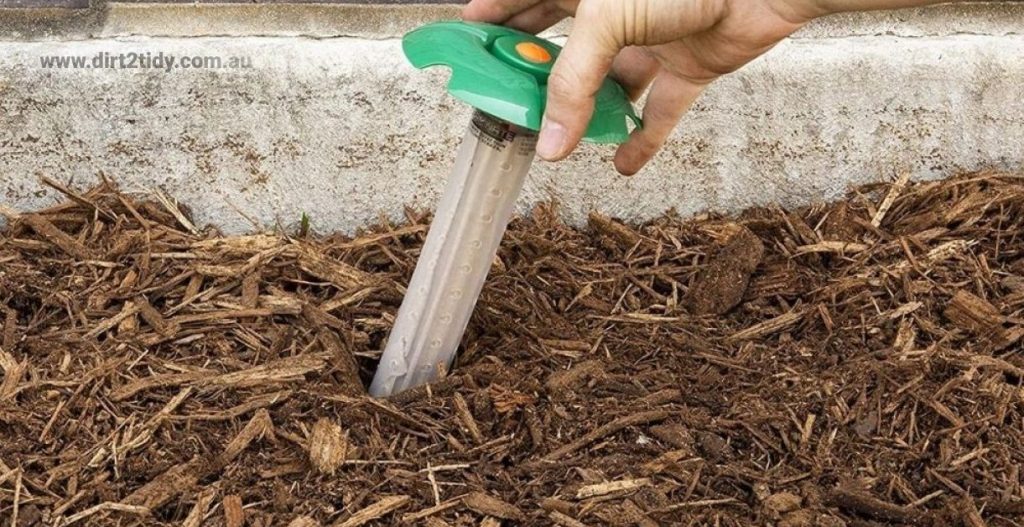
Bifenthrin (Biflex)
Property owners will choose termite colonies eradication products created by renowned businesses that have allocated enough money for adequate study. The active component of the termiticide Biflex, bifenthrin, is one among the compounds that resulted from such research.
This substance is based on pyrethrum, a tiny, white flower that naturally repels insects. This chemical, inspired by nature, has a potent, lingering impact since it is barely soluble in soil. In other words, bifenthrin-treated soil can continue to kill termites and keep them away from your property for a very long period.
However, the effectiveness and longevity of termite barriers can vary depending on several factors.
Decades ago, chemical termite barriers could last up to 30 years. These older chemicals had a long lifespan but posed significant environmental and health risks. In contrast, today’s chemical barriers, including bifenthrin, are designed to be more eco-friendly and safer for both people and pets.
Current Longevity
- Typical Duration: Modern termite barriers can last up to eight years, though some treatments may endure only a few years.
- Influencing Factors: The type of chemical used, the application method, and any treatment limitations can all impact how long the barrier remains effective.
Environmental and Safety Benefits
While newer termiticides might not last as long as those from previous decades, they offer significant advantages:
- Environmentally Friendly: Less harmful to the ecosystem.
- Pet and Human Safety: Safer for homes with pets and children.
- Effective Elimination: Capable of eradicating termite colonies rather than merely deterring them.
Ongoing Protection
It’s important to note that no termite barrier, chemical or otherwise, can guarantee complete protection against termites. Regular yearly inspections by a licensed pest exterminator can bolster your defenses and help identify any potential threats early on.
By understanding these aspects, homeowners can make informed decisions about termite prevention and maintain a safe, pest-free environment.
By understanding these mechanisms and choosing the right type of termiticide, you can ensure a more effective and long-lasting solution to termite control.
Chemical Termite Control Will Keep You Safe
You can always come to us if they ever manage to get inside your impenetrable bungalow. We’ll arrange for a routine termite inspection or pest inspection and then suggest the best chemical treatments to employ so that these wood-eating pests won’t ever feel at home in your property.