
What is the purpose of cleaning?

House cleaning is a difficult duty that we all have to conduct at some point. The major goal of cleaning and organizing the space is to make it an enticing

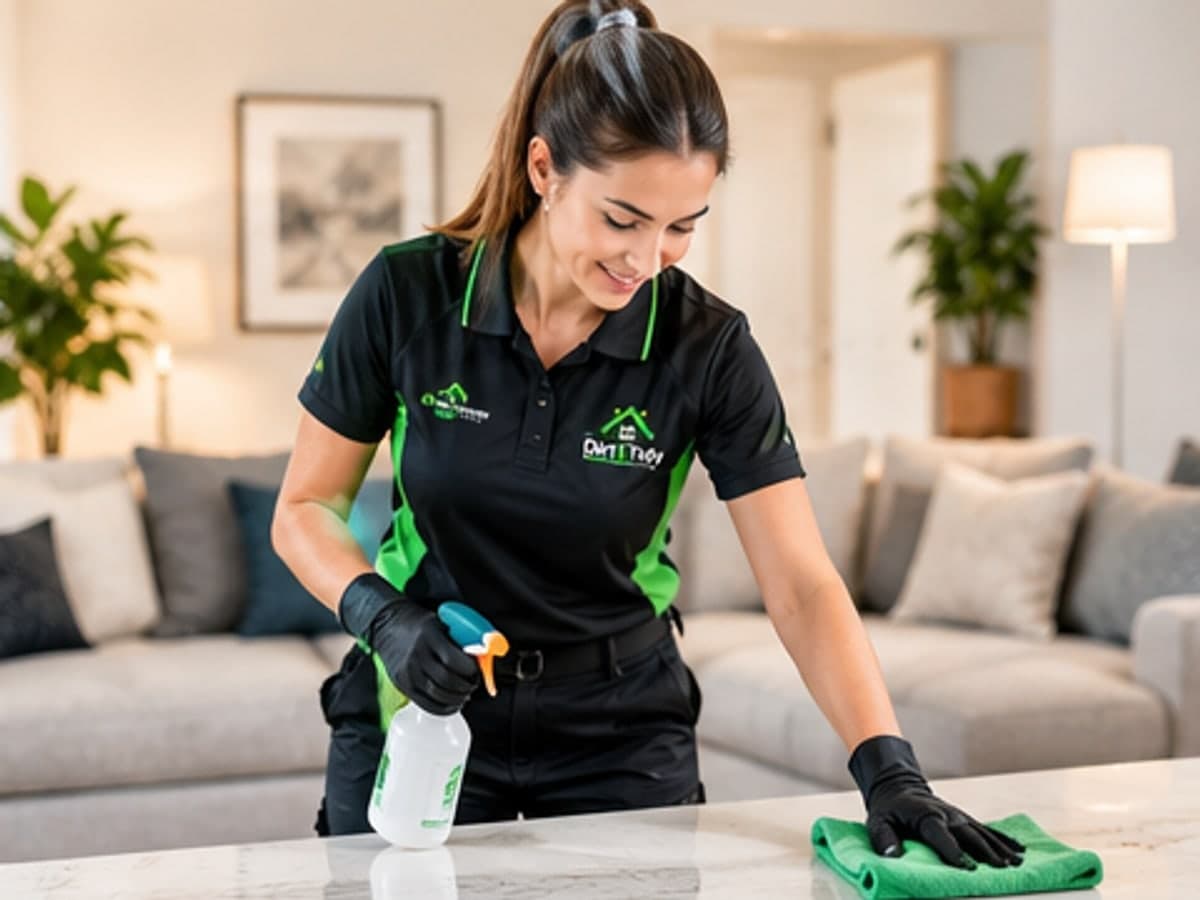
House cleaner tidying an Australian family home

What are the main steps involved in the cleaning process? A clean home is like paradise, and returning home to a clean house is always a pleasure. It takes a lot of work to maintain and keep your home clean, but it has its own set of benefits and advantages.

Your home will always seem as nice as new if you clean it on a regular and effective basis. It is essential to living in a clean home in terms of hygiene. Here are some wonderful advantages or reasons to keep your home clean on a regular basis.

House cleaning is a difficult duty that we all have to conduct at some point. The major goal of cleaning and organizing the space is to make it an enticing and tranquil place to stay and rest. There are several helpful organizing strategies available that can come in handy while cleaning and arranging your home.

To make cleaning straightforward and efficient, it helps to break things down into manageable steps.

No matter if you’re giving your kitchen a sparkle or tackling the shower, most cleaning routines generally follow a simple structure: Initial tidy-up: Start by removing visible debris, dust, or clutter —the “big stuff” that’s easy to see, like crumbs, wrappers, or stray socks. Deep cleaning: Next, roll up your sleeves and focus on surfaces.

This includes scrubbing counters, mopping floors, and wiping down anything that collects grime. Think of it as the main event in your cleaning show. Rinsing (and drying, if needed): Once the surfaces are clean, rinse off any leftover soap or cleaner. For some areas, drying is helpful to avoid streaks or water spots.

Following these simple steps after every activity—or even pausing for a quick clean-up during busy periods—will help your home stay fresh, tidy, and inviting.

You may also like to read: “ 6 Dangerous Home Cleaning Mistakes and How to Avoid Them “ Staying in a chaotic and unclean home creates a feeling of turmoil and discomfort. Cleaning and arranging should be done as a ritual.

It is essential to set aside time for cleaning routines, and you should also urge your family members to assist you in keeping the home clean and pleasant. The following are some of the reasons why it is crucial to keep your house clean: Germs are killed by regular home cleaning.

Germs depress the immune system and make you ill. However, by cleaning your house on a regular basis with a quality disinfectant, you can destroy up to 99% of the everyday bacteria and keep your family healthy. How does cleaning differ from disinfection?

It’s easy to mix up cleaning and disinfecting, but each serves its own unique purpose in your home care routine. Cleaning focuses on removing dirt, dust, and a portion of germs from surfaces—think of this as sweeping away the visible mess and reducing clutter.

This can be done with soap and water or regular household cleaners , leaving your surfaces looking fresh. Disinfection , on the other hand, takes things a step further. When you disinfect, you’re using products like bleach solutions or antibacterial sprays to actually kill the germs and microorganisms that linger behind after cleaning.

But here’s the catch: disinfectants work best on surfaces that have already been cleaned. First, remove the grime; then, disinfect to wipe out any invisible threats to your family’s health. By understanding this difference, you’ll ensure your cleaning routine is both thorough and effective, making your home a true sanctuary from germs.

What factors influence the effectiveness of disinfection? Disinfecting your home goes beyond simply spraying and wiping—there are several factors at play that determine just how successful your efforts will be at eliminating harmful bacteria and viruses. Type of disinfectant: Not all cleaning agents are created equal.

The effectiveness of your disinfectant depends on its specific formulation and active ingredients. Some products are designed to target a wider range of microbes, while others are more specialized. Concentration matters: Using the correct amount of disinfectant is critical. Too little may not kill enough germs, while too much can leave harmful residues behind.

Contact time: It’s easy to overlook, but allowing the disinfectant to remain on a surface for the recommended time ensures thorough germ elimination. A quick wipe isn’t always enough! Environmental conditions: Temperature and pH levels can affect how well a disinfectant works.

Warmer temperatures, for example, often speed up the action, while extremes in pH can either enhance or weaken its effect.

Surface cleanliness: For best results, clean up visible dirt and grime before disinfecting. Organic matter like dust or grease can shield germs and block the disinfectant from doing its job.

State of microbes: Some bacteria or viruses are more resistant due to their protective outer layers or physiological state, so a powerful disinfectant is sometimes necessary. Paying attention to these factors while cleaning helps ensure your home isn’t just tidy, but also healthful and safe for your family.

Improves the indoor air quality Poor indoor air quality may exacerbate allergies and asthma, as well as other breathing issues. The air in the house degrades due to the accumulation of dust bunnies, mildew, and animal dander.

You may also like to read: “ Why purification cleaning is essential in the time of corona virus spreading “ Using a vacuum cleaner on a regular basis is an excellent approach to prevent dust and debris from gathering and triggering allergies. For the greatest results, utilise a vacuum cleaner with high-efficiency particle air filters.

When you’re done with the carpets, don’t stop vacuuming. Run the attachments over the upholstery where invisible dust tends to accumulate and go undetected. You may be able to sleep better Nothing beats climbing into a clean bed with clean sheets and saying good night to a tidy home.

When you don’t wake up to commotion, you can relax. You may also like to read: “ Significant sorts of surface disinfectants and their activity component “ It is beneficial to children Living in the dirt is bad for people of all ages, but particularly for children.

Young crawling youngsters may pick up anything on the floor and put it in their mouth. Children are also prone to germs, moulds, and mildews, all of which may harm your health. Keeping your home clean and sterilized may help keep your children and family healthy.

When it comes to children, family members should be well aware of the need for frequent household cleaning. Things are simple to locate Have you ever misplaced your keys or mobile phone? With a tidy house, you may spend less time hunting for lost items.

When your house is organised, you will feel better since you will be able to locate everything you need in its proper location. Allergic reactions are reduced Those who suffer from allergies, sensitive skin, or other conditions understand the need for regular home cleaning. Dust on the floors, linens, and blinds all aggravate your sinuses.

Also, if you have children who are continuously sniffling, it might be due to all of the particles flying about within the house. So, in addition to cleaning your house, you can also get your air conditioning vents cleaned to assist enhance the air quality in your home.

It assists you in staying organised You can’t help but have everything in perfect order if you clean your home on a regular basis. You’ll never have to worry about where your essential documents are or if your favourite blouse is clean or soiled if it’s laying on a chair.

When you tidy, you may make it a point to put everything back where it belongs. As a consequence, you will be certain and able to get dressed quickly, allowing you to be out the door considerably quicker. You may also like to read: “ How to Clean a Child’s Bedroom?

“ Every now and again, your house will need a thorough cleaning. So, set out a weekend or assist with your family and get it done. Then, maintain your tiny daily cleaning routines for the remainder of the year to enjoy your clean, tidy, and organised home.

Factors That Influence Cleaning Effectiveness While we all love the feeling of a sparkling home , you might wonder what actually determines how well your cleaning efforts pay off. Several factors come into play, each making a difference in how thoroughly you can get rid of dirt, allergens, or germs.

Level of Cleanliness Needed: Depending on whether you’re just tidying up or aiming to eliminate harmful microorganisms, the cleanliness standard you strive for can change your approach. Some tasks call for a simple wipe-down, while others might require a deeper disinfecting routine.

Type and Amount of Dirt: Dirt isn’t just dust—it includes stubborn elements like oils, proteins, pet fur, and even sticky sugars. Some of these are relatively easy to wipe away, while others seem to fuse themselves to surfaces, especially if exposed to heat.

Tackling kitchen grease from your Sunday roast, for example, takes more effort than dusting a shelf.

Spring deep cleaning of an Australian household
Keep cleaning moving

Related Cleaning Services

More from Dirt2Tidy

Related Cleaning Guides