Removing Clay Stains from Non-Washable Items When stains make a comeback When stains just won’t budge or if you notice color loss Clay stains whether from a messy art project, gardening in the yard, or playful kids can be some of the toughest spots to tackle.
Unlike ordinary dirt, clay is dense, sticky, and prone to embedding itself deeply into fabrics, upholstery, and even carpet fibers. Left untreated, these stains can dry, harden, and become even more difficult to remove, sometimes leaving lasting marks. Fortunately, with the right approach and techniques, even the most stubborn clay stains can be lifted effectively.
From pre-treatment methods that loosen the clay to careful washing or cleaning strategies that protect your surfaces, these tips and tricks will help restore your clothing, furniture, and carpets to their clean, stain-free state.
Whether you’re dealing with a fresh spill or a set-in mark, understanding the right methods can save time, effort, and frustration ensuring your home stays spotless despite life’s little messy moments. Ouch! Your child’s art smock missed a clay stain on their shirt. Try these clay stain removal ideas before tossing the clothing.
Spoon off leftover clay from cloth (be sure to run the spoon down the weave of the fabric – not across the stained area). Stir together 1 cup white vinegar and 3 teaspoons iodized salt. Soak a cloth in vinegar and salt and apply it to the clay stain.
Soak garments until soaked to remove clay stains. Then, massage the soaked cloth into the clay-stained fabric’s weave. After 30 minutes, rinse the vinegar/iodized salt mixture with cold water. If the stain remains, repeat the process two or three times. Other approaches include: For bigger clay stains, use two or three vinegar/salt mixtures.
Light mud/clay stains can be brushed off or soaked overnight in water. If the mud or clay stain is stubborn, brush it off again and soak it in 1/4 cup ammonia and liquid detergent before washing in the hottest water feasible for the cloth and using the proper bleach (check the label for washing instructions).
Stains shouldn’t go in the dryer. Heat sets clay stains. If the soiled article of clothing isn’t washable, you can try to remove it yourself before sending it to the dry cleaner. Let the clay dry, then use a stiff-bristled brush on paper to remove it.
Instead of removing red clay yourself, take it to the dry cleaner. Removing Clay Stains from Furniture or Carpet Brush off excess clay: Let the clay dry, then gently brush as much as possible onto a sheet of white paper.
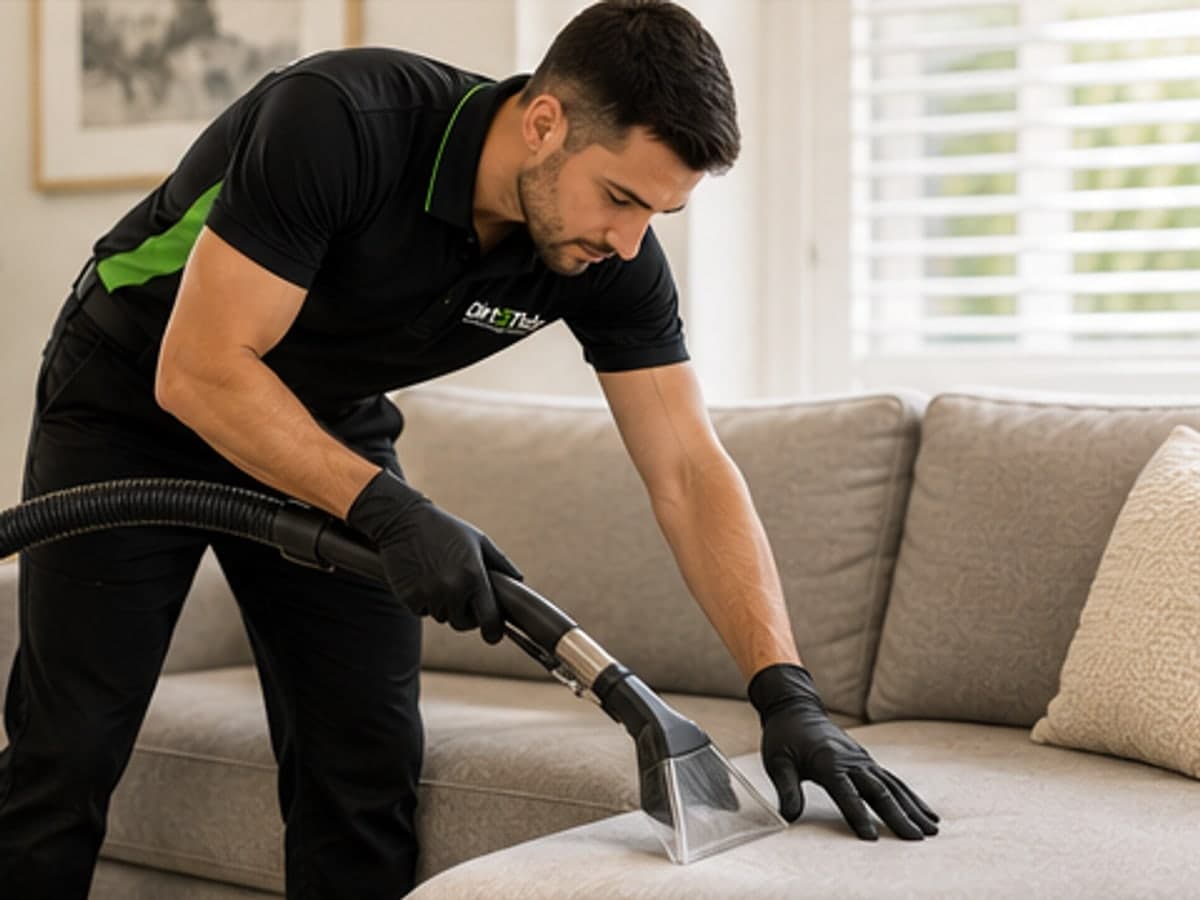
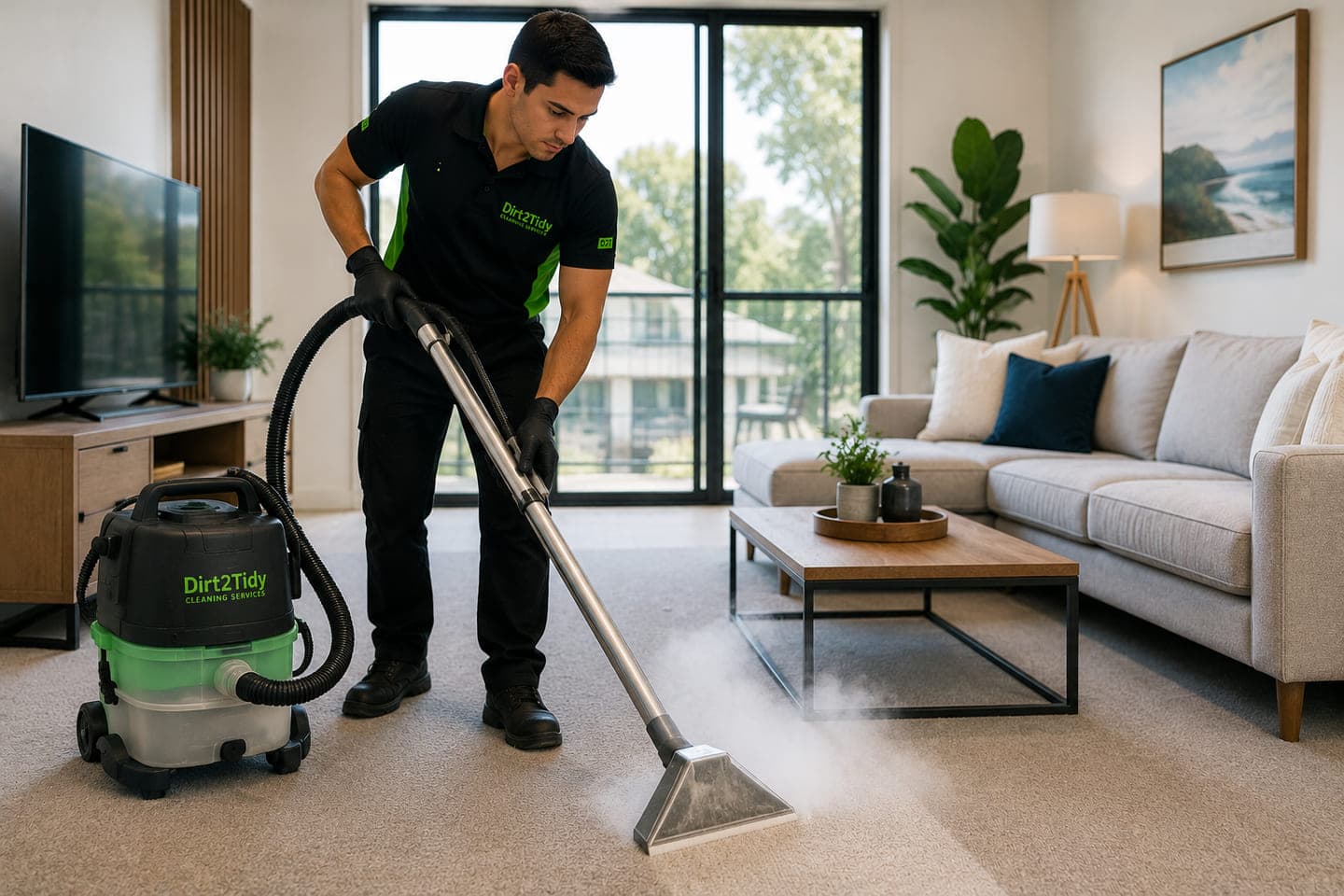
Vacuum loose debris: Use a wet/dry vacuum (like a Shop-Vac) to remove remaining clay or mud. If unavailable, a clean, dry white towel works for blotting. Avoid using a standard dry vacuum on damp stains.
Apply vinegar solution: Mix equal parts white vinegar and water. Dab the stain gently with a cloth. Blot, don’t rub: Blot the area with an absorbent cloth until dry. Repeat as needed, alternating with vacuuming to remove leftover moisture or clay particles.
Final vacuum: Once the area is clean and dry, vacuum to lift carpet fibers or refresh upholstery texture. Handle lingering discoloration: Sponge the area with water and white vinegar, changing cloths as needed to absorb remaining stain. Optional carpet shampoo: For light stains, carpet shampoo can help.
Professional cleaning: Red clay or stubborn stains may require expert carpet cleaning to fully restore the surface. Club soda for water-soluble carpet stains When you’re tackling water soluble stains think juice, soft drinks, or even that rogue scoop of raspberry sorbet club soda can be a secret weapon.
Since it’s essentially carbonated water, it won’t harm carpet fibers or backing. Pour a small amount of club soda (room temperature is best you’re not making cocktails here) directly on the stain. Blot gently with a clean cloth. The carbonation helps lift the stain from the fibers without leaving behind any residue.
No need for a rinse; club soda itself acts as a gentle cleanser and rinse in one. Handy tip: Keep a can of club soda in the pantry for impromptu stain emergencies. It’s especially helpful after a hasty Saturday snack attack or rambunctious family game night.
Again, let the clay dry before removing stains from the upholstery. Use a spray bottle with water on the stain, then wipe gently with a clean towel. Dab and blot until the stain is gone. If this fails, try water and bleach-free detergent.
For a more targeted approach, mix 1 teaspoon of clear, non-bleaching liquid dish detergent with 2 cups of warm (not hot) water. Apply the detergent solution to the stained area being careful not to soak the carpet and let it sit for about 5 minutes.
After spraying, dabbing, and blotting, spray plain water and blot to eliminate suds. Mix water and vinegar to eliminate suds, then blot dry. Rinse, Blot, Repeat: Protect Your Carpet from Residue and Dirt Don’t skip the rinse!
Rinsing your carpet thoroughly during and after stain removal isn’t just about getting rid of what’s visible it’s about making sure nothing is left behind that could cause trouble later. Any leftover soap, vinegar, or detergent can act like a magnet for dirt, leading to dingy patches down the line and undoing your hard work.
Rinsing also helps restore the carpet’s natural pH level, reducing the chance of residues re-attracting new stains. So even if the spot is being stubborn rinse, blot, and repeat as many times as needed. Patience pays off, and your carpet will thank you for it by staying cleaner for longer.
Why reset the carpet pile after cleaning? Once the carpet is completely dry, giving it a quick vacuum does more than just pick up any leftover particles it also helps to revive the carpet’s pile. Brushing or vacuuming the fibers will stand them back up, restoring that soft, fresh look and feel underfoot.
This simple step ensures your carpet isn’t left looking crushed or patchy after stain removal, keeping it feeling plush and looking well-cared for. Plus, it makes future cleaning a bit easier, since soil and debris won’t get caught in matted fibers. More likely to be removed if treated quickly.
Cold water is excellent for rinsing stains so they don’t set and become tougher to remove. Before employing a cleaning solution, test it on an inconspicuous area, such the inside of a sleeve. Certain chemicals shouldn’t be combined, so rinse one cleaning solution before using another.