What are the best ways to keep kitchen clean?

What are the best ways to keep kitchen clean? and it’s also where the messiest messes are frequently produced, so it’s a challenge firmly established standards.

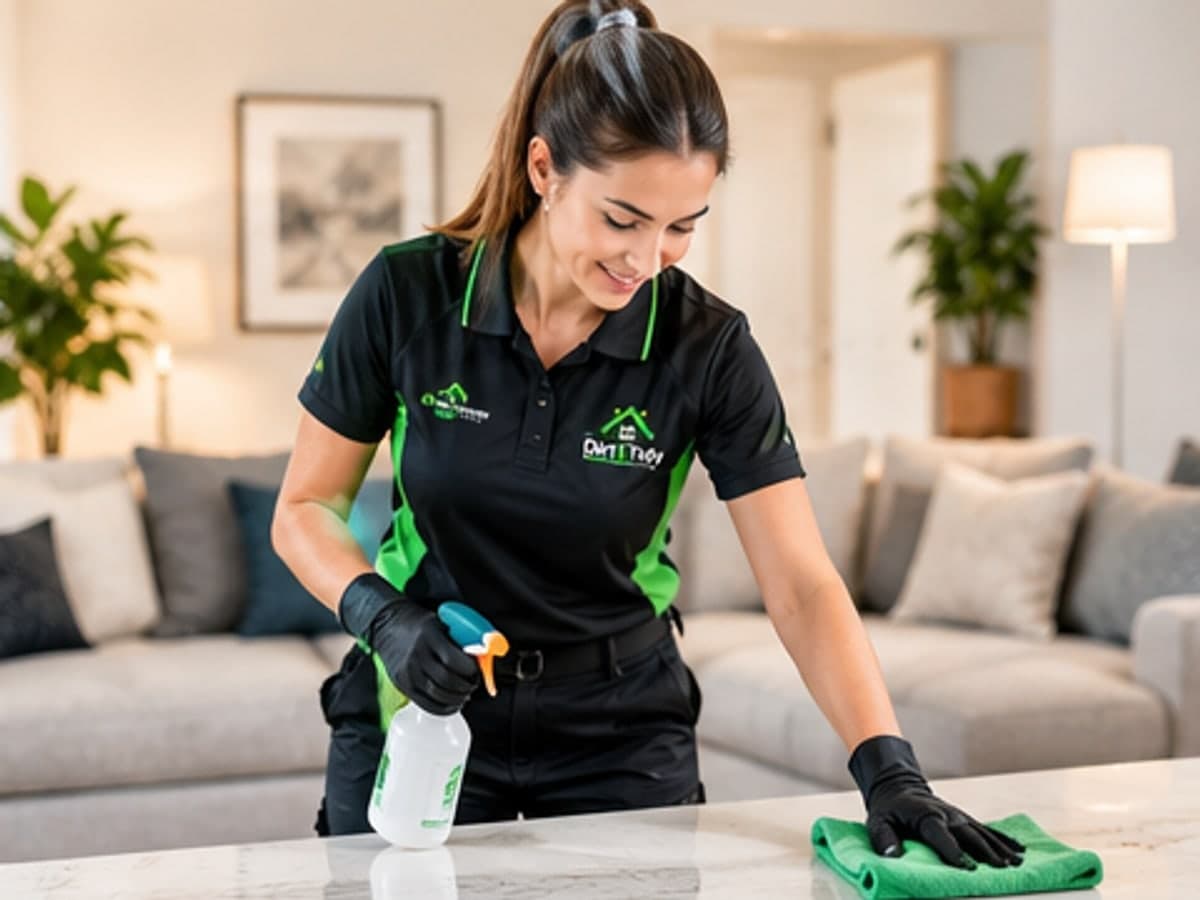
Deep oven cleaning with professional equipment in an Australian kitchen

Make Dishwashing Less Difficult Maximize Waiting Times for a Cleaner Kitchen When You’re Cooking, Use Scrap Bowls Why Soak Pots and Pans with Stuck-On Food in Soapy Water?

The Benefits of Having Plenty of Dishtowels Available While Cooking Keep Counters Clean During Food Preparation How Cleaning as You Go Boosts Cooking Efficiency Pour, measure, and spray your sink When you’re cooking, use scrap bowls Preventing Splatters on the Stovetop When microwaving, use a good cover Place coasters on top of the condiments and jars Line the inside and outside of your refrigerator with liners Use Your Oven to Catch Drips Ensure that the trash can is easily accessible How a Clean Kitchen Enhances Multitasking While Cooking Make cleaning the floor at night a breeze Tidy for 5 Minutes Every Day Benefits of Embracing a “Clean As You Go” Approach in the Kitchen Why Should You Wipe Up Spills Immediately?

A kitchen disaster may be discouraging. We can’t cook in a filthy kitchen, and having to clean it before I can begin saps my energy. As a result, the kitchen must maintain a minimal level of cleanliness and order.

To set the stage for a seamless cooking experience, start with an empty dishwasher and a tidy workspace. This proactive approach not only keeps distractions at bay but also maximizes efficiency.

With the dishwasher ready to take on rinsed dishes, and ample counter space for prepping your ingredients, you’ll find the cooking process more enjoyable and less stressful. Maintaining a clean kitchen isn’t just about aesthetics; it’s about function and flow.

By ensuring your kitchen is organized from the start, you pave the way for creativity and focus, turning cooking from a chore into a delightful experience. If it takes too much work to deal with dirty dishes and cutlery, pots, and pans, they will build up in the sink.

However, you can prevent this by incorporating a simple strategy into your routine. While waiting for something to simmer or boil, take that time to wash a few dishes or wipe down the countertops. This multitasking approach keeps your kitchen tidy throughout the cooking process.

Wash as you go, clean as you wait is a powerful habit that ensures your kitchen doesn’t become overwhelmed with mess. After supper, run your dishwasher and empty it before night so you can start the day with a clean sink. Is there no dishwasher?

While you’re resting after dinner, let hand-washed dishes dry on a rack. By staying proactive and using downtime wisely, you’ll find that managing the kitchen becomes significantly easier. Do you find yourself with idle time while cooking, like when you’re waiting for something to simmer? Use this opportunity to wash dishes and tidy up countertops.

This proactive approach prevents the accumulation of dirty dishes and keeps your kitchen looking spotless. By integrating cleaning into these natural breaks, you’re maintaining a more organized cooking environment. When you collect kitchen leftovers in a bowl while you cook, you’re less likely to dump them on the floor.

After you’ve completed your dinner, collect the scraps and add them to your compost pile, if you have one. Alternatively, place them in the freezer for later use.

By adopting these strategies, you can seamlessly incorporate cleanliness into your cooking routine, making kitchen maintenance feel less like a chore and more like an integral part of the process. Stuck-on food residue can turn post-cooking cleanup into a daunting task. But there’s a simple solution—soaking your pots and pans in soapy water.

Here’s why this method is effective: Ease of Cleaning : By filling your cookware with hot, soapy water and allowing it to sit, you significantly reduce the effort needed to clean. The warm water works to loosen stubborn food particles, making them easier to scrub away.

Preservation of Cookware : Scrubbing with excessive force can damage the surface of your pots and pans, especially those with non-stick coatings. Soaking minimizes the need for harsh scrubbing, helping to maintain the integrity and extend the life of your kitchenware.

Time Efficiency : While it might seem that soaking takes longer, it actually saves you time in the long run. You won’t need to spend additional time and energy scrubbing away at food remnants that have been loosened by soaking.

Practical next steps for What Are The Best Ways To Keep Kitchen Clean

Customers searching for what are the best ways to keep kitchen clean usually need a clear answer before they book. This page focuses on kitchen and appliance cleaning, including what to prepare, what the cleaning scope should cover and which details affect the final visit.
  • Share the property type, size, condition and access information before requesting a quote.
  • Identify priority rooms, surfaces, stains, pets, furniture and any inspection or handover date.
  • Separate cleaning from repairs, pest treatment, plumbing, electrical or restoration work.
  • Confirm inclusions, exclusions and optional services before the appointment.
Use the related service pages for the detailed scope: Oven Cleaning and Kitchen Cleaning Service. The team can confirm the right scope before work begins.
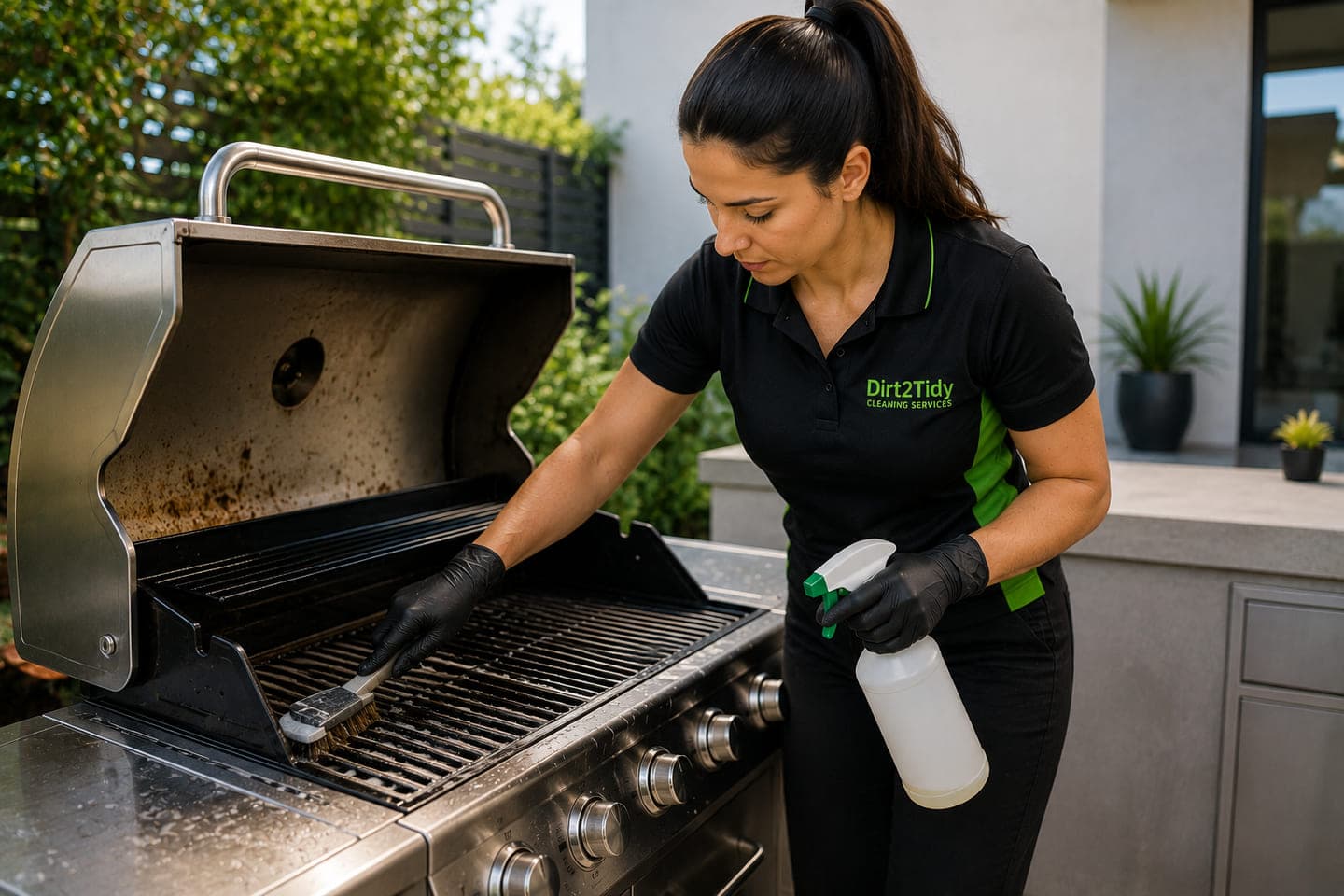
BBQ cleaning with professional equipment on an Australian outdoor grill
Keep cleaning moving

Related Cleaning Services

More from Dirt2Tidy

Related Cleaning Guides

FAQ

FAQs

Everything about bookings, coverage and what to expect.

Clear loose belongings, confirm access and share the property size, condition, timing and priority areas so the scope is accurate.

Yes. Provide the property details and the work you need, then confirm inclusions and any extras before booking.