Why Acting Fast Is Crucial Where Water Damage Begins The Restoration Process Step by Step What You Can Do to Reduce Future Risks Water damage is one of those issues that can sneak up on you.
One day everything seems fine, and the next you’re stepping onto a soggy carpet or spotting an unexplained stain on the ceiling. It’s not just inconvenient—it can be dangerous, costly, and incredibly stressful to deal with.
Understanding the benefits of professional restoration can make all the difference, from faster recovery and mold prevention to saving money in the long run by avoiding further damage.
Understanding how water damage happens, what to look out for, and how the restoration process works can make a huge difference in how quickly you recover and how much damage you prevent. Whether you’re dealing with minor leaks or full-blown flooding, knowing the facts puts you in control.
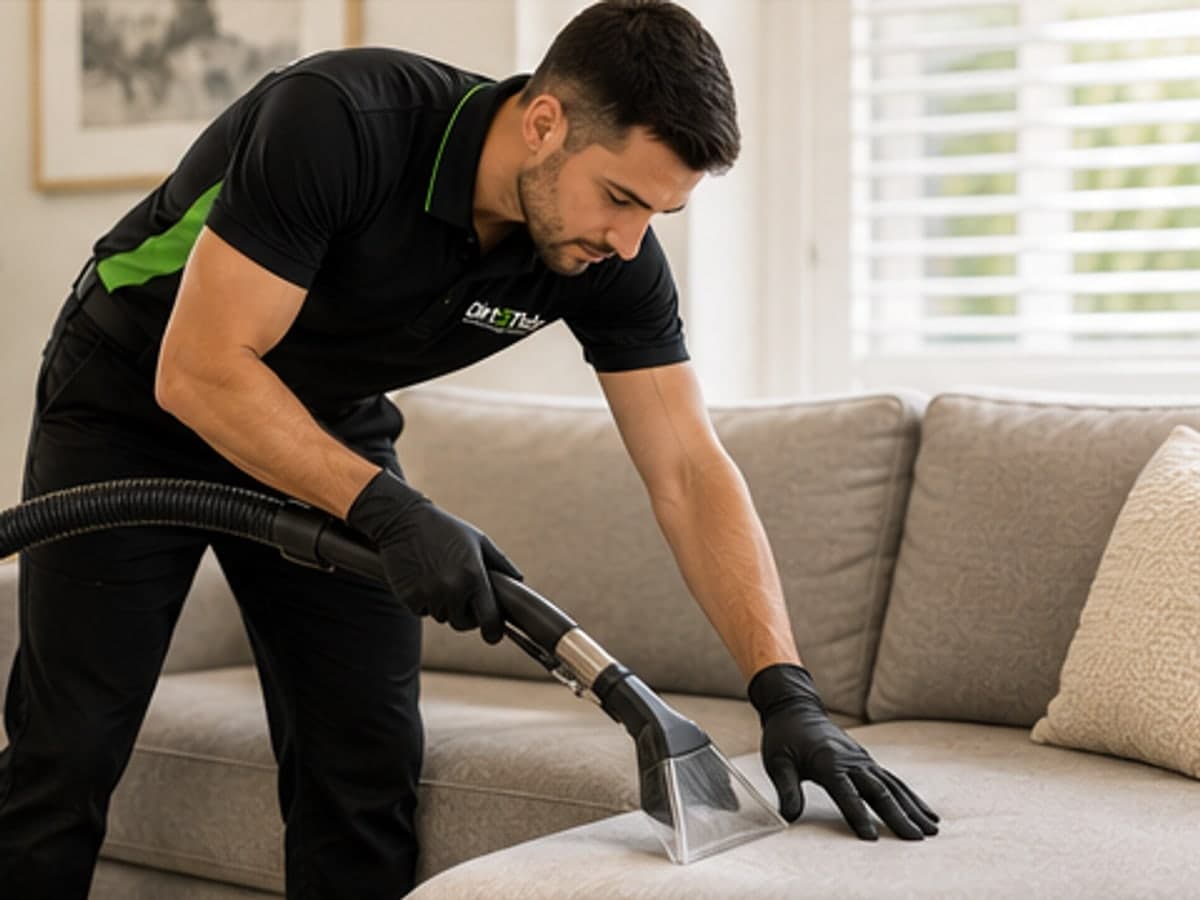
One crucial part of the restoration process that is often overlooked is carpet steam cleaning , which helps eliminate moisture, prevent mold growth, and restore your carpets to their original condition after water exposure. Water damage spreads quickly and quietly. Within the first hour, moisture starts soaking into anything porous—wood, drywall, insulation, fabric.
If not addressed, this creates the perfect environment for mold, bacteria, and long-term structural problems. But before it even gets to that point, it helps to understand where water damage tends to start in the first place. Water can find its way into a home in several ways, and not all of them are dramatic.
Some of the most serious cases begin with tiny leaks that go unnoticed for weeks or even months, eventually requiring the help of a professional water damage restoration company to assess the situation and repair the hidden damage effectively.
Older pipes can crack or corrode, especially in colder climates where freezing and thawing cycles are common. Even a slow leak behind a wall can cause wood rot, mold growth, and foul odours. Older pipes can crack or corrode, especially in colder climates where freezing and thawing cycles are common.
Even a slow leak behind a wall can cause wood rot, mold growth, and foul odours. For more detailed guidance, you can learn about plumbing work in your home and what tasks can be performed by homeowners .
Washing machines, dishwashers, water heaters, and even fridges can cause significant water damage if a hose splits or a valve fails. These appliances often sit in areas that are not regularly inspected, allowing leaks to go unnoticed. If a roof has missing shingles, cracked flashing, or clogged gutters, rainwater may seep in.
This often goes undetected until damage appears on interior ceilings or walls. If your landscaping or gutters don’t direct water away from your home, it may pool near the foundation. Over time, that moisture can penetrate basement walls or crawl spaces. Heavy rains or storms can overwhelm drainage systems and force water into your home.
In flood-prone areas, this is a recurring risk that requires long-term preventative measures.
Subtle Signs of Water Damage In some cases, water damage is obvious—a burst pipe or a flooded basement. But often, it’s more subtle. Homeowners who recognize the early signs can act before things get worse.
Peeling or bubbling paint Walls that are exposed to moisture will start to show signs like bubbling paint or wallpaper that’s coming loose. A persistent damp or earthy smell, especially in basements or bathrooms, often points to hidden moisture. Brown or yellowish stains on walls or ceilings usually indicate past or ongoing leaks.
Wood, laminate, or vinyl flooring can swell, shift, or buckle when exposed to water underneath. Dripping, running water sounds when nothing is in use might mean a leak inside your walls. If you see (or smell) any of these signs, don’t ignore them.
The longer water is allowed to linger, the more expensive and complex the repair will become. If your home suffers water damage, it’s not just about drying the floors and calling it a day. True restoration involves a carefully planned and executed process designed to fully return the space to a safe and livable condition.
Assessment and inspection The first step is figuring out the extent of the damage. Professionals use moisture meters, infrared cameras, and visual inspections to locate all the affected areas, even ones hidden behind walls or under floors. Using commercial-grade pumps and vacuums, restoration crews quickly remove standing water.
This step helps reduce further damage and prepares the area for drying. Once the bulk of the water is gone, industrial fans and dehumidifiers are brought in to remove moisture from the air and surrounding materials. This step can take several days and is crucial in preventing mold.
Water damage often brings contamination, especially if the source was a sewer backup or natural flood. Surfaces are cleaned and disinfected to ensure the area is safe for occupants. Depending on the severity, this might mean patching drywall, replacing flooring, or even tearing out and rebuilding entire sections of a home.
The goal is to restore the space to its original condition—or better. Moisture levels are checked again to ensure everything is fully dry and safe. Only then is the job considered complete.
No home is completely immune to water damage, but there are smart steps homeowners can take to lower the chances and catch issues early.

Practical next steps for Water Damage Restoration Guide
- Share the property type, size, condition and access information before requesting a quote.
- Identify priority rooms, surfaces, stains, pets, furniture and any inspection or handover date.
- Separate cleaning from repairs, pest treatment, plumbing, electrical or restoration work.
- Confirm inclusions, exclusions and optional services before the appointment.