Please Vacuum the Site Frequently Apply a Quick Fix There and Now Make Sure the Cleaner You Use Is Suitable for the Fabric Even though furniture with cushioning and cloth is significantly more pleasant to sit on than unfinished wood or metal, it may be more difficult to remove upholstery stains .
However, it’s not the end of the world if you accidentally drop your drink on the couch; spot removal by rubbing alcohol might help. Either hire someone to clean your antique upholstery or learn how to do it yourself.
It would be hard to include every potential kind of furniture or upholstery fabric and the intricacies of cleaning each one, but you may do well to keep the following in mind while you maintain your upholstered furniture.
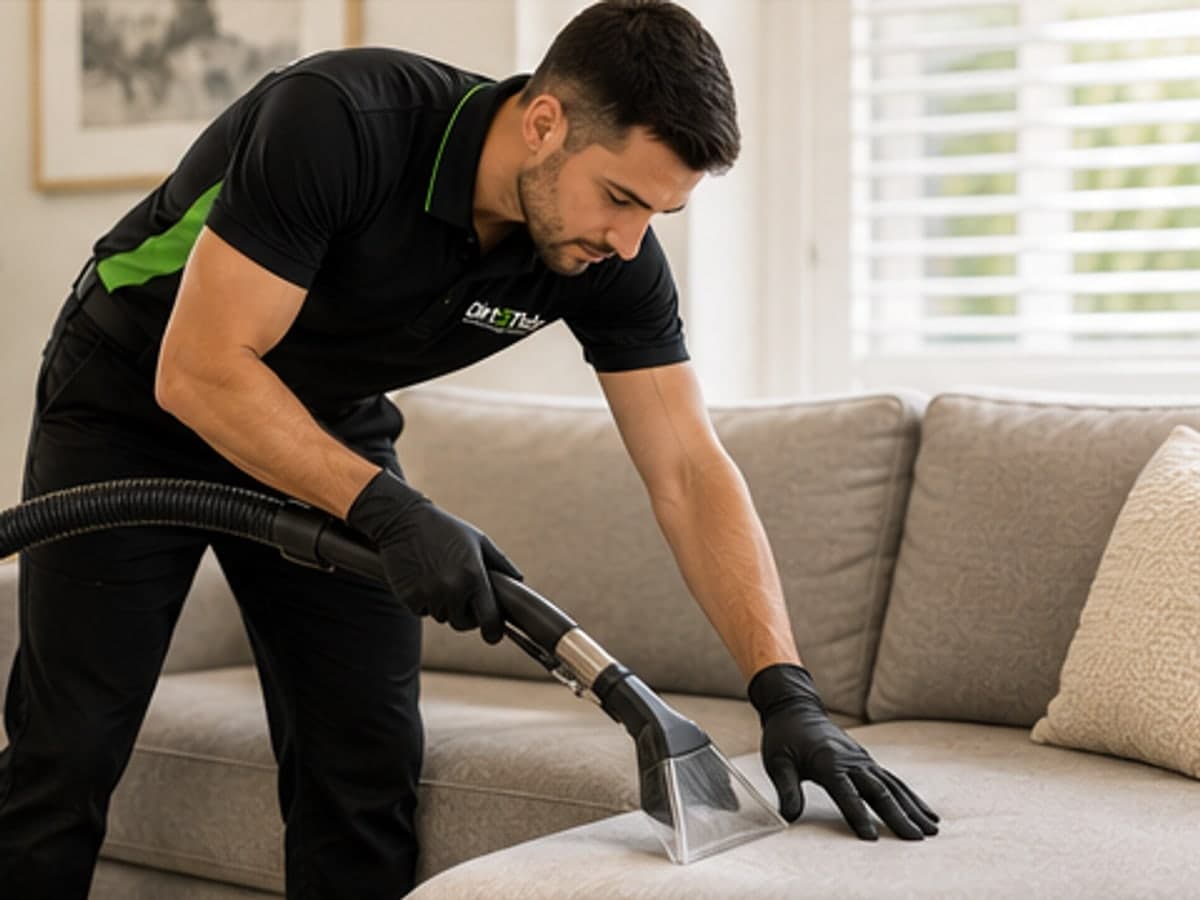
With only a vacuum and an upholstery attachment with a soft brush attachment and gentle rubbing, you can give your furniture a new lease on life. This should be the first step of any thorough cleaning, like the weekly vacuuming, so that dirt doesn’t get even deeper into the fabric.
If you want to avoid spending too much time on the same section, it’s best to start at the top and work your way down. Keep in mind that dust may adhere to any surface, so be sure to clean the back and sides as well .
Moving with the nap of the cloth is preferable with steam cleaners and vacuum cleaners. Taking out the cushions and vacuuming under them with a bristled brush is an important part of home upholstery cleaning. You’ll need a crevice tool if the cushions can’t be removed.
It’s possible that the vacuum isn’t strong enough to get the dirt out of seams and other hard-to-reach places. Then, use a can of compressed air, like the kind used to clean a computer keyboard, to blast the dust and dirt out of the cracks and crevices.
It’s easy to put off dealing with a Coke spill on the sofa until you have time for a thorough cleaning , but the sooner you address a stain, the less likely it is to become permanent. Use a clean towel or cloth to wipe up the spill as quickly as possible.
Never scrape or massage the stain, as this may cause the stain to spread or get embedded in the fabric. Cleaning spills and smudges off leather, cotton, and polyester upholstery is a breeze with the help of baby wipes.
For spills, have a pack of baby wipes on hand after first testing them on an inconspicuous section of the cloth to ensure they won’t do any harm. They are also quite effective on carpeting .
The best way to learn how to clean upholstery properly is to get training from a professional, especially to remove stains and spot clean. Cleaning instructions should be included with most upholstered furniture. Fabrics with a W on the care label may be cleaned using water-based products.
Using baby wipes or a few drops of liquid dish detergent diluted in a pail of warm water are also viable options. For targeted cleaning, you may dilute the soapy water to a greater concentration, but no more than a 1:4 ratio.
With an S, dry-cleaning chemicals or other solvent-based cleansers are the sole acceptable option for maintenance. These chemicals are available in both professional dry-cleaning services and do-it-yourself dry-cleaning kits, so you have options. Always observe the recommended precautions while working with these chemicals, such as wearing protective clothing and using enough ventilation.
To clean anything with a W-S rating, you may use either water or solvent. If there’s an X next to a cleaning instruction, it implies you shouldn’t use anything at all.
The area may be vacuumed or taken to a professional cleaner , but if you try to clean it yourself, you risk damaging the fabric via shrinkage or staining. When we say “deep clean,” we don’t always mean “hard scrubbing.” You should be very careful while handling your furniture’s upholstery.
Stubborn, set-in stains are difficult to clean , and using too much elbow grease might ruin the fabric. Use just a little of the solvent or cleaner, let it sit for a bit to let it penetrate, and then blot it dry.
You should also use as little water as possible, especially when washing materials that are appropriate for use with water. Never allow water to sit on or in any piece of furniture that wasn’t made to handle moisture. Pour a tablespoon of dish detergent or lemon juice into a gallon of water to dilute it.
Then, drop a clean microfiber cloth into the solution and wring it out until it is just damp. This will clean the couch thoroughly. Then, using a mild detergent, wipe the fabric’s surface in a single direction over and over until it is completely clean.
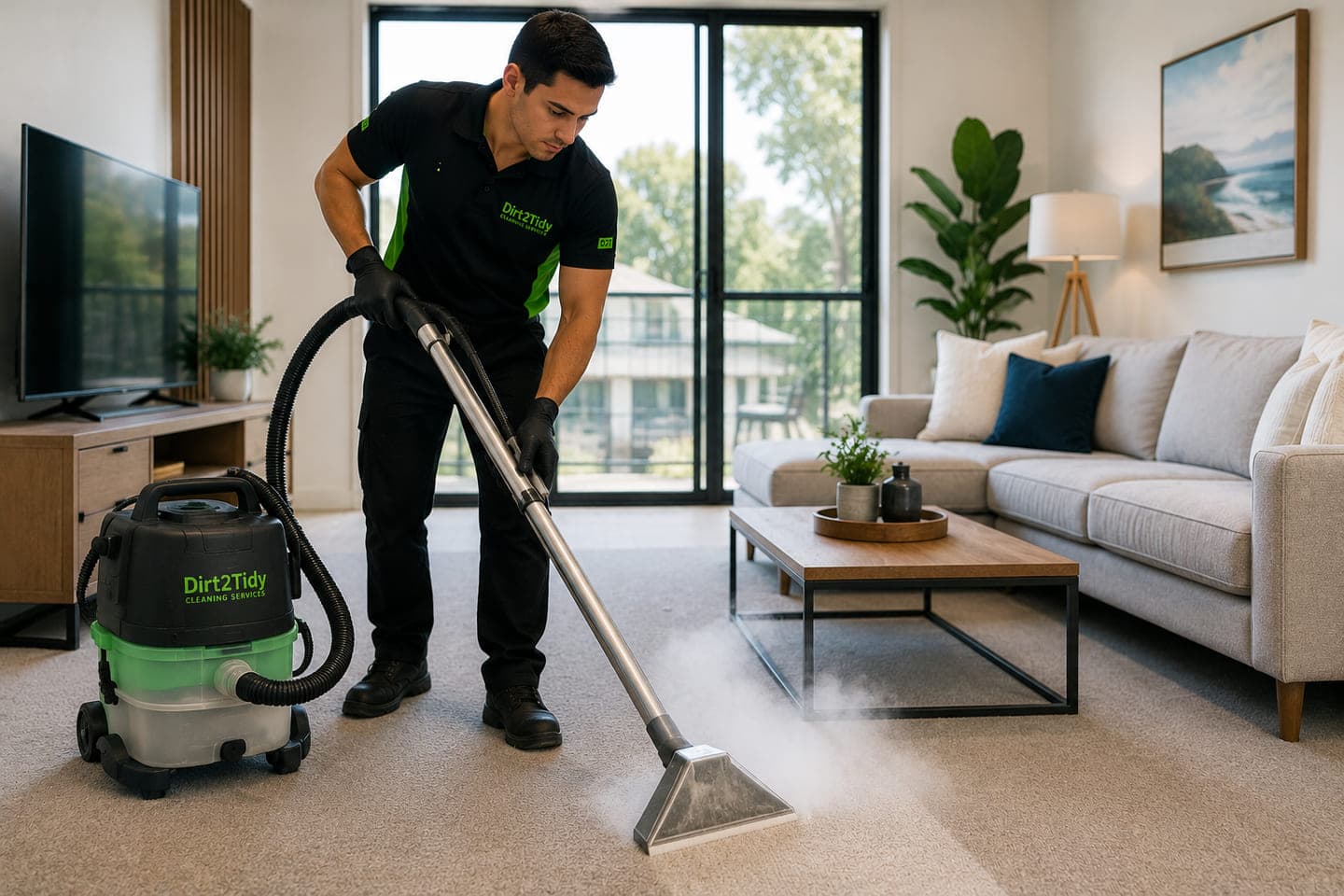
It’s true that certain stains and pet hair are next to impossible to get rid of on your own. When repeated attempts to clean an area fail, it may be time to bring in the professional cleaners.
Practical next steps for Vintage Upholstery Furniture
- Share the property type, size, condition and access information before requesting a quote.
- Identify priority rooms, surfaces, stains, pets, furniture and any inspection or handover date.
- Separate cleaning from repairs, pest treatment, plumbing, electrical or restoration work.
- Confirm inclusions, exclusions and optional services before the appointment.