
What Property Managers Look for During Final Inspections

Learn what property managers look for during final inspections, including cleaning standards, repairs, damages, and tips to help tenants secure their bond.

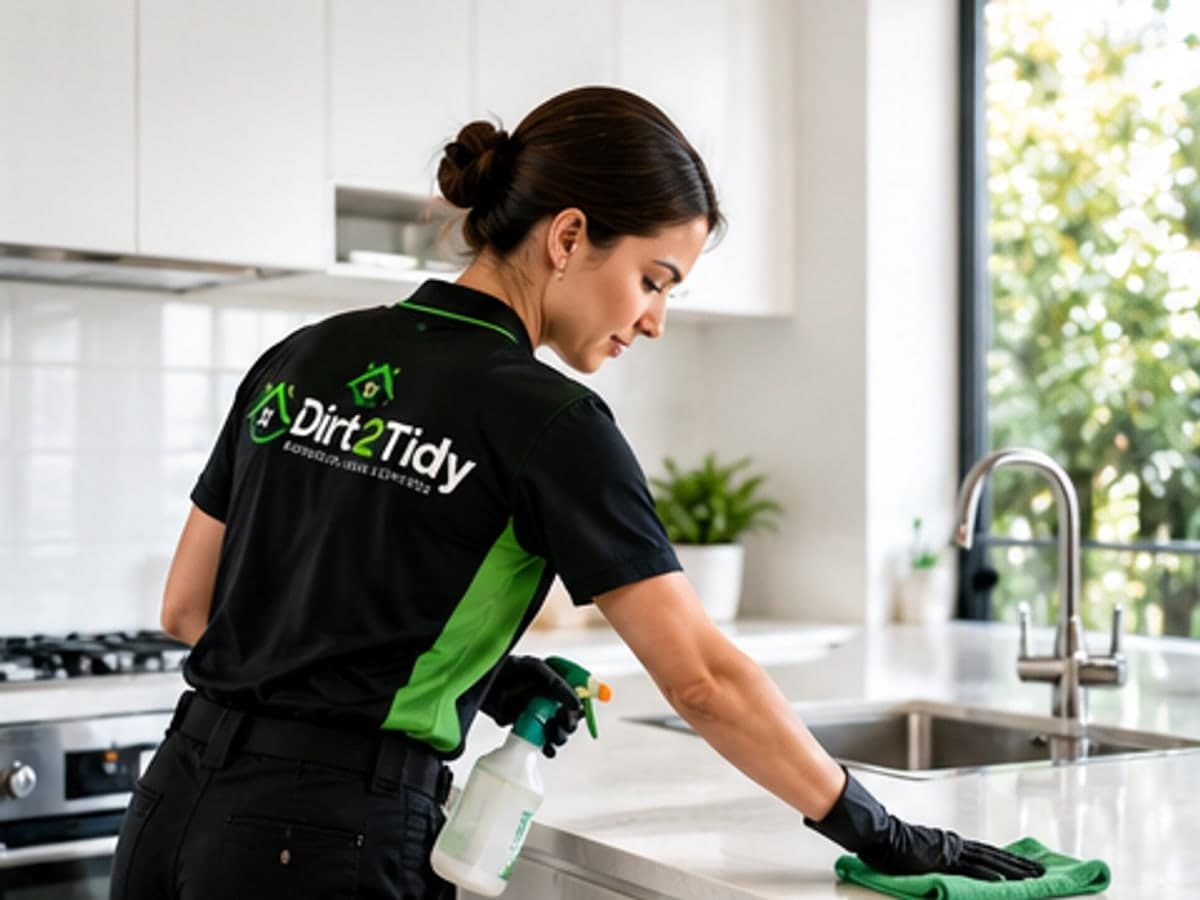
Detailed deep clean of an Australian home

Why Final Property Inspections Matter Understanding Fair Wear and Tear What Property Managers Look for During Final Inspections Walls, Doors and Skirting Boards Light Fixtures and Ceiling Fans Common Reasons Tenants Fail Final Inspections Actionable Tips to Pass Your Final Property Inspection Why Professional End of Lease Cleaning Makes a Difference Preparing for Inspection Day Moving out of a rental property can be exciting, but it also comes with one important responsibility passing the final property inspection.

This inspection plays a major role in determining whether you’ll receive your full bond refund or face deductions for cleaning or repairs. Many tenants assume a quick vacuum and surface wipe are enough. However, property managers follow detailed inspection checklists that cover everything from spotless kitchens to clean window tracks and mould-free bathrooms.

Missing even a few small details could lead to costly cleaning charges. Whether you’re renting in Sydney, Melbourne, Perth, Brisbane, Adelaide, or anywhere else in Australia, understanding what property managers look for during final inspections can help you prepare with confidence.

This guide explains the most commonly inspected areas, common mistakes tenants make, and practical steps you can take to leave your rental property in excellent condition. A final inspection is more than a routine walkthrough.

Bond cleaning by a professional cleaner in an Australian home

It’s the landlord’s opportunity to confirm that the property has been returned in a condition that meets the terms of the tenancy agreement. Property managers generally compare the property’s current condition with the original entry condition report.

They assess whether the home has been reasonably maintained throughout the tenancy and whether any damage or excessive dirt has been left behind.

A successful inspection can mean: Receiving your full bond refund Avoiding additional cleaning fees Preventing disputes with landlords Leaving a positive rental history Making your move less stressful Before discussing inspection areas, it’s important to understand one key concept: fair wear and tear.

Fair wear and tear refers to the natural deterioration that occurs through normal use over time. Examples include: Small scuff marks from everyday living However, property managers usually distinguish this from tenant-caused issues such as: Knowing this difference helps tenants focus on issues they can control before inspection day.

Deep cleaning by a professional cleaner in an Australian home

You may also like to read about- “Think Your Rental is Clean? how to pass final rental inspection” The first impression matters. Property managers often notice overall cleanliness before examining individual rooms. Dust, unpleasant odours, dirty floors, or clutter can immediately suggest that deeper cleaning has been overlooked.

They generally expect the property to be: A consistently clean appearance sets a positive tone for the rest of the inspection.

Keep cleaning moving

Related Cleaning Services

More from Dirt2Tidy

Related Cleaning Guides