Are you struggling with a bit of a moisture and mould problem in your home? If so, you probably already know how much of a headache dealing with this terrible problem can be.
From causing unsightly stains and discolouration only your walls, to severely impacting your health, moisture and mould issues are not to be taken lightly. Fortunately, we’re here to help.
Whether you’re dealing with an existing problem or looking for ways to safeguard your home before disaster strikes, here are 7 tips to help you get on top of mould and moisture control in your home .
One of the best (and most effective) things you can do to ensure that your home is protected from moisture and mould is to invest in leak detection.
This is a simple process that any local plumber will be able to carry out to detect potential leaks, allowing you to identify and prevent water damage and the subsequent growth of mould.
This is a great way to nip any problems in the bud, saving you a ton of money and hassle down the line. Ensure Your Home Is Well Ventilated When it comes to keeping your home free from mould, proper ventilation is key.
Without adequate air flow, moisture can quickly build up, creating an environment that is ripe for mould growth. To ensure that you’re not creating a comfortable space for mould and mildew to multiply, priorities opening your windows regularly to allow fresh air to circulate and reduce indoor humidity levels.
Additionally, investing in a quality ventilation system is a great way to reduce condensation and promote a steady airflow throughout your living spaces. Goodbye mould, hello clean and healthy air. Consider Using A Dehumidifier Another way to eliminate moisture in your home is to use a dehumidifier.
Generally, you’ll want to keep humidity levels below 60% in your home, as any higher and you create an environment conducive to mould growth. Using a dehumidifier helps regulate indoor humidity by extracting excess moisture from the air, especially if you live in a region that experiences high humidity levels throughout the year.
Consider placing humidifiers in areas of your home that are prone to dampness such as laundry rooms or basements to prevent the accumulation of moisture.
When was the last time you inspected your home for cracks and gaps? Besides ramping up your home insulation, sealing cracks and gaps in your home exterior is a vital step in preventing moisture intrusion and safeguarding your home against mould, unpleasant smells and other costly problems.
This is something that you can easily do on your own with caulk and weather stripping, creating a more resilient barrier against the elements. So, the next time there’s a heavy downpour, you won’t have to worry about water sneaking into your home.
Always Use Your Exhaust Fans Many of us are guilty of not using our exhaust fans as much as we should, whether that’s in the bathroom, laundry room or kitchen. Unfortunately, neglecting the use of exhaust fans can contribute to (you guessed it) excess moisture and create an environment that mould will absolutely thrive in.
Remember — exhaust fans are there to suck up excess moisture when you cook, shower or have the clothes dryer running, so remember to always make use of them.
Remind your family members and guests of the importance of using exhaust fans, and watch as your diligence pays off in the form of a drier and mould-resistant home environment. Clean Up Leaks and Spills Immediately When it comes to cleaning up condensation, leaks and spills, time is of the essence.
Unfortunately, allowing moisture to linger for longer than it should will not only potentially damage surfaces in your home, but also create an environment that is conducive to mould growth. So, when water leaks or spills occur indoors, be sure to act quickly.
The good news is that if wet or damp areas are dried 24-48 hours after a leak or spill happens, in most cases mould will not grow.
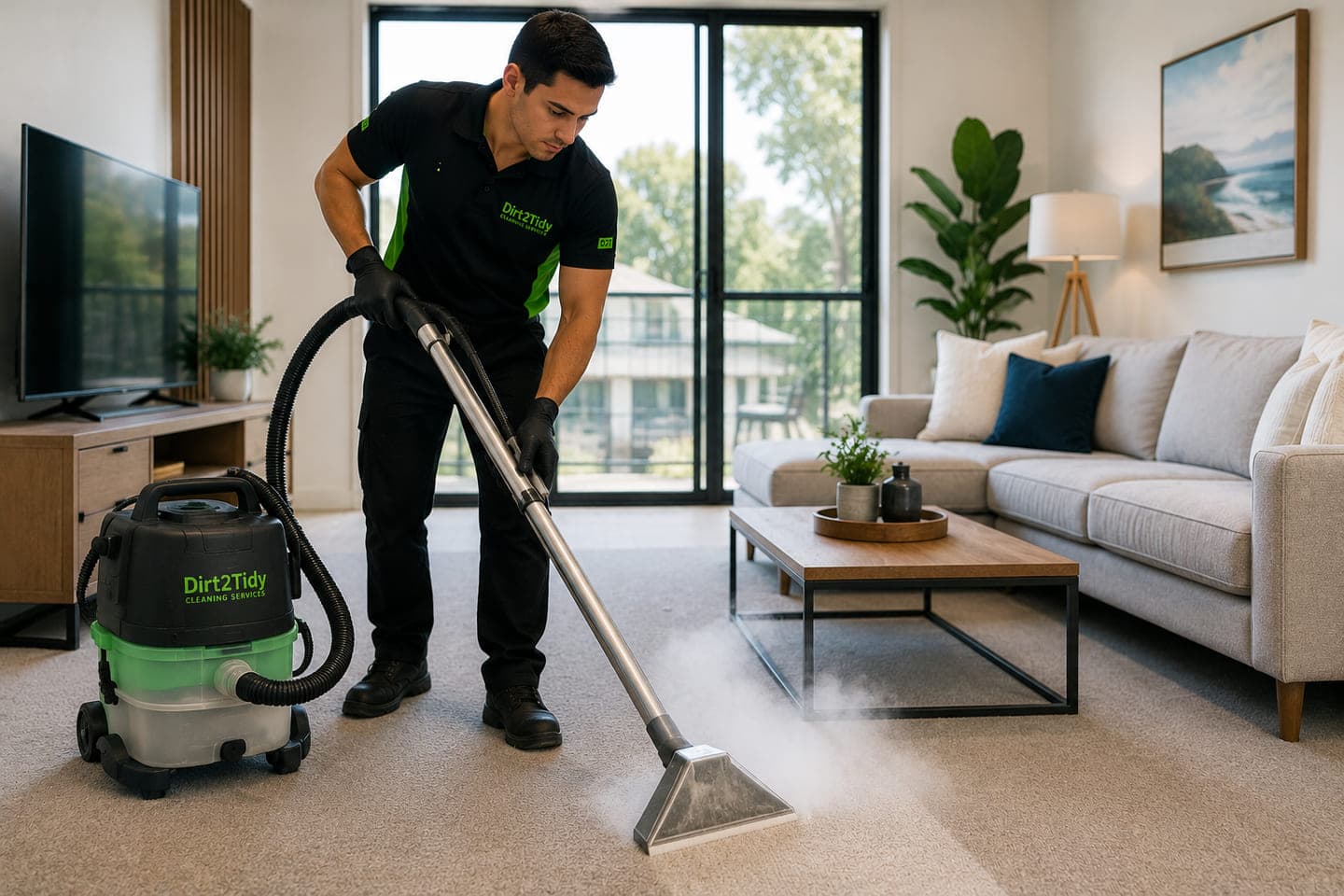
Use A Vacuum Cleaner With A HEPA Filter Unbeknownst to many, your vacuum cleaner can actually play a huge role in protecting your home from mould, especially when it’s paired with a HEPA filter.
Whilst a HEPA equipped vacuum cleaner won’t be able to suck up moisture (you’ll need a wet/dry vacuum or a spot cleaner for that) what it can do is remove mould spores and other allergens from surfaces to enhance the air quality of your living spaces, unlike regular vacuum cleaners that simply put back into the air.
So, by incorporating a HEPA filter into your vacuuming routine, you’re taking a proactive step towards not only maintaining a cleaner home but also creating an environment less conducive to mould growth. And there you have it — 7 expert tips for mould and moisture control in your home.
By taking some of these suggestions on board, you’ll be able to protect your home from water damage, preserve its structural integrity, and safeguard the health and well-being of your family. All the best! Previous What’s the Best Way to Maintain a Shag Carpet?
Next Continue What do End of lease cleaners in Queensland charge on the hourly average? Similar Posts
Dirt2tidy Cleaning Tips | Cleaners Domestic Cleaning How to Reduce Allergens and Dust in Your Home Before the Festivities Introduction As you prepare for holiday gatherings, creating a clean, allergen-free environment is especially important if you’re… Read More How to Reduce Allergens and Dust in Your Home Before the Festivities Continue Dirt2tidy Cleaning Tips | Cleaners BBQ Cleaning Canberra Professional Cleaning You Can Trust Did you know that recent surveys reveal nearly 50% of Canberra households use their BBQs for regular… Read More BBQ Cleaning Canberra Professional Cleaning You Can Trust Continue Dirt2tidy Cleaning Tips | Cleaners How Often Should You Vacuum Your House?
Chores might become a little less tedious if you know exactly when to expect them and have… Read More How Often Should You Vacuum Your House? Continue Dirt2tidy Cleaning Tips | Cleaners 2025 Tenants Trust Vacate Cleaning Gold Coast Spotless Exits