
Managing a Deceased Estate Clean-Up Respectfully

A deceased-estate clean-up can involve belongings, paperwork, dust, furniture and difficult decisions. Plan slowly, confirm authority and separate ordinary cleaning from hazardous materials, specialist waste and items requiring legal or family decisions.

Spring deep cleaning of an Australian household

Confirm authority and make a plan

Confirm who is authorised to access the property and decide what happens to documents, valuables, medication, personal items and furniture. Work room by room, photograph condition where appropriate and keep donation, recycling and disposal separate. Do not discard records or personal property without the responsible person’s approval.

Use safe ordinary-cleaning boundaries

For ordinary dust and household soil, ventilate where safe, wear suitable gloves, clear stable work areas and use material-appropriate products. Do not handle unknown liquids, bodily fluids, sharps, drugs, chemicals, gas cylinders, mould-like contamination or damaged electrical items as ordinary rubbish.

Deep oven cleaning with professional equipment in an Australian kitchen

Escalate specialist hazards

Biohazards, sharps, asbestos, lead, pesticides, solvents, clinical waste, strong odours, pests and extensive mould require the appropriate trained specialist or waste provider. Keep children, pets and vulnerable people away. Do not mix chemicals, disturb suspect materials or use domestic equipment for hazardous cleanup.

Book cleaning after the property is safe

Once belongings, hazardous items and large waste are handled, provide the cleaner with rooms, condition, access, furniture, priority areas and timing. Dirt2Tidy can quote ordinary domestic or deep-cleaning work, but it is not a biohazard, asbestos, sharps or specialist-waste contractor.
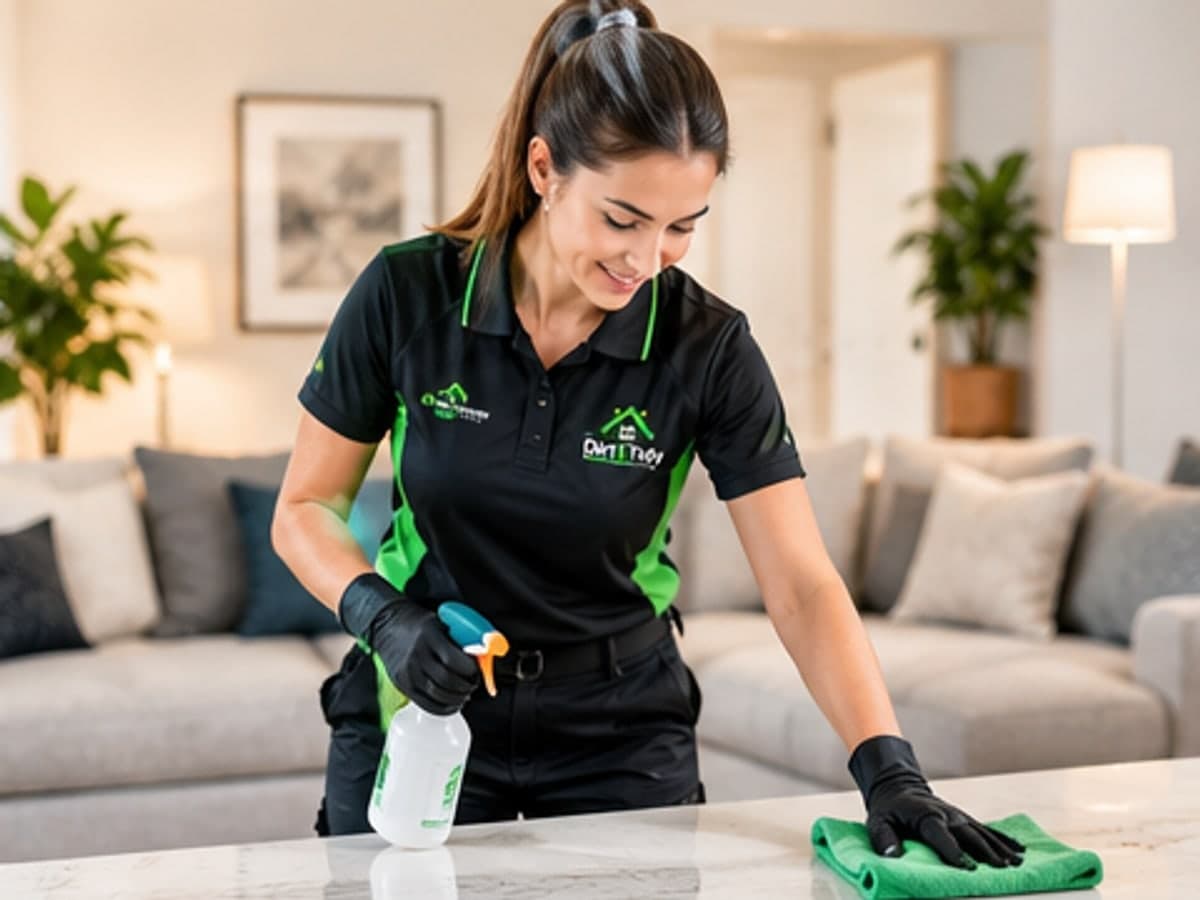
Keep cleaning moving

Related Cleaning Services

More from Dirt2Tidy

Related Cleaning Guides

FAQ

FAQs

Everything about bookings, coverage and what to expect.

Not automatically. Bodily fluids, sharps, clinical waste, extensive mould, asbestos and unknown chemicals need the appropriate trained and authorised specialist.

Do not make disposal or retention decisions without the responsible person’s authority and the relevant disposal or legal process. Keep these items separate from ordinary cleaning.

Begin only after access, authority, belongings, hazardous materials and waste have been assessed and the property is suitable for the agreed domestic cleaning scope.