
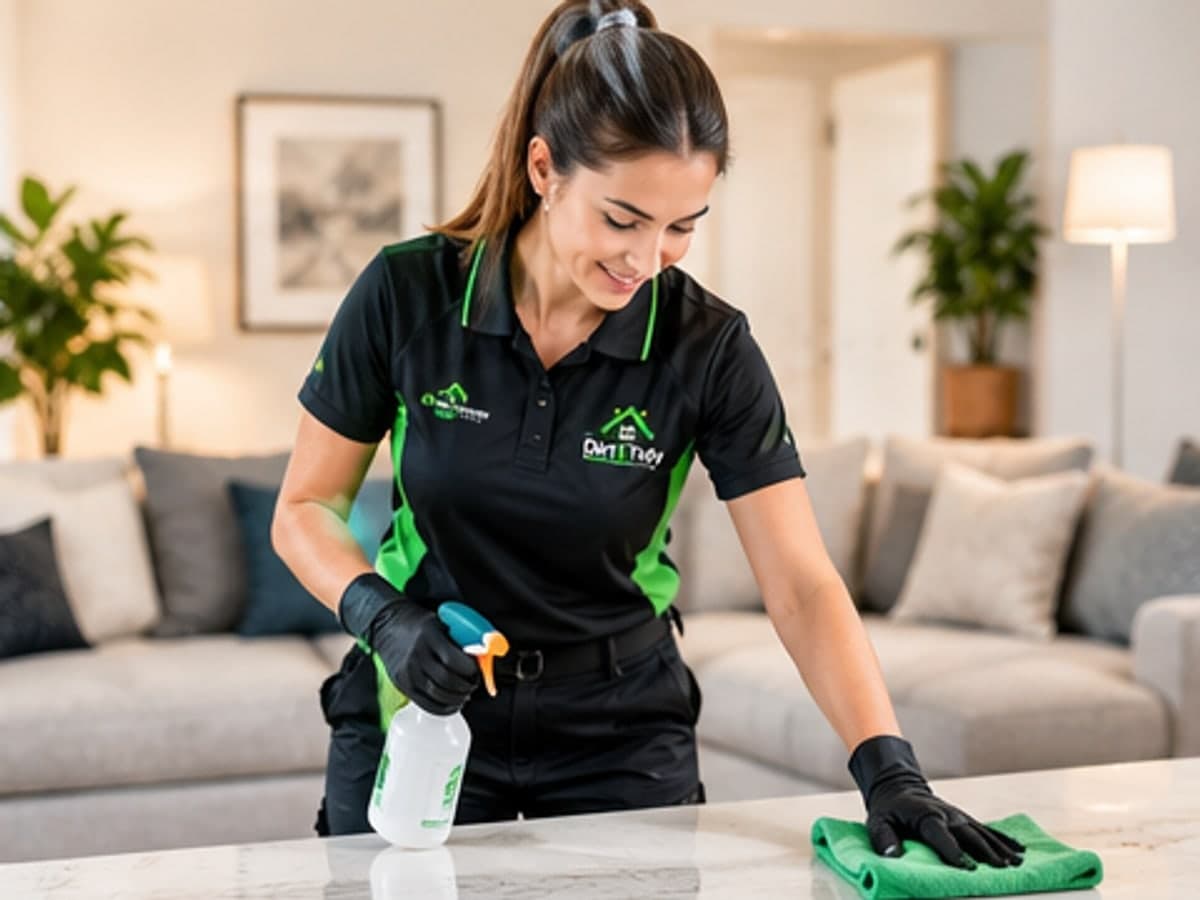
Match devices to the task
Robot vacuums, floor mops, powered brushes and window devices have different operating limits. Check floor or glass compatibility, obstacles, cords, stairs, water use, noise and whether the device can reach the areas you need. Do not assume a gadget cleans every surface or corner.
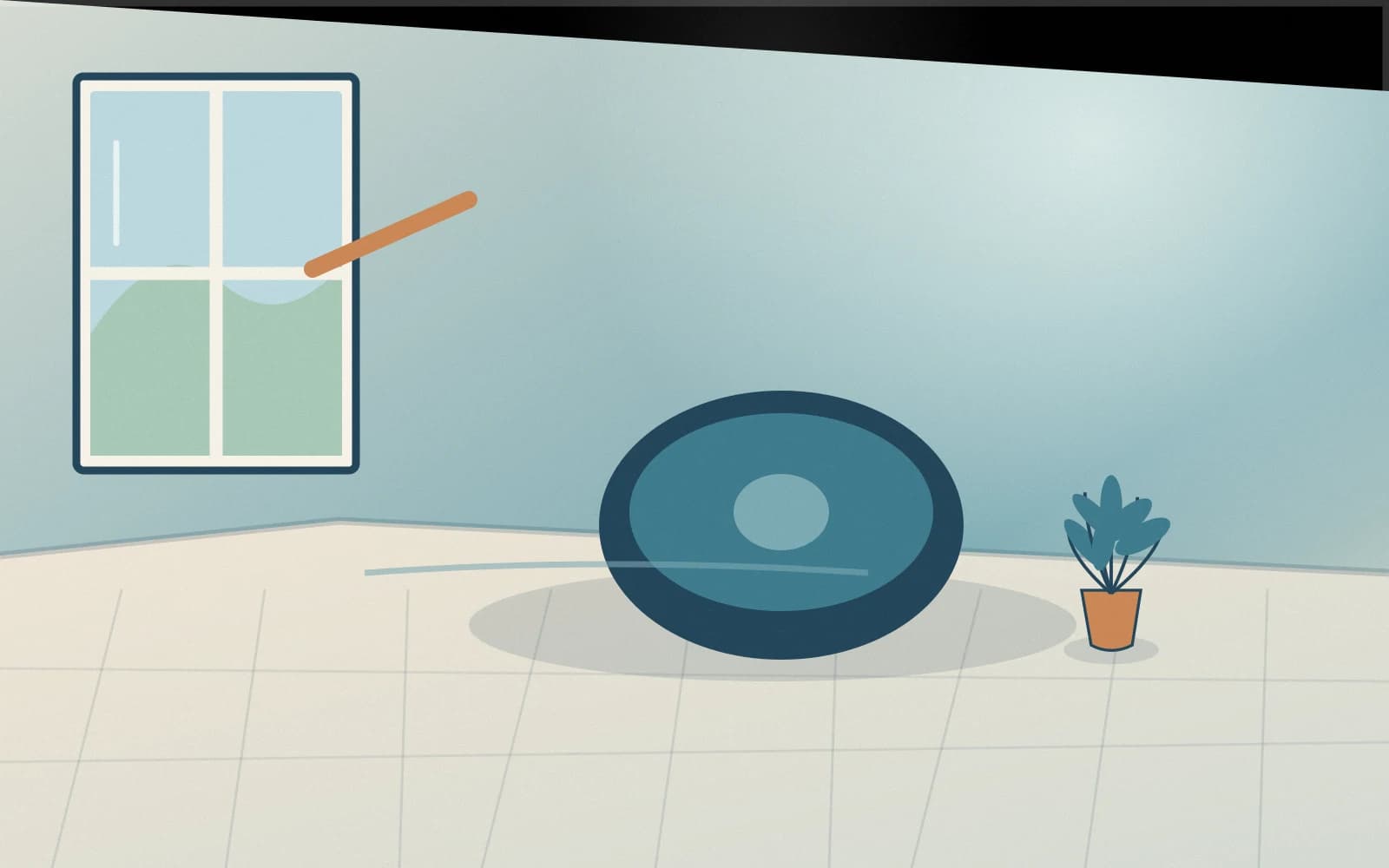
Check ongoing costs and maintenance
Review replacement pads, filters, batteries, detergent, repairs, app or subscription requirements and safe disposal. Read the manual for charging, water, cleaning and storage. A lower purchase price may not reflect the total cost of ownership.
Treat sanitising and safety claims cautiously
A UV wand, steam device or automated cleaner does not automatically disinfect or remove all germs, allergens or pests. Check independent evidence and product directions for the exact intended use. Keep devices and cleaning products away from children, pets, water and fragile materials as instructed.
Choose tools that fit your routine
Consider weight, accessibility, noise, storage, repairability and the time needed to prepare and maintain the device. A simple cloth or suitable vacuum may be more practical for some tasks. Cleaning gadgets do not replace professional service for hazardous materials, repairs or specialist restoration.


