How to remove spoiled milk from my carpet?

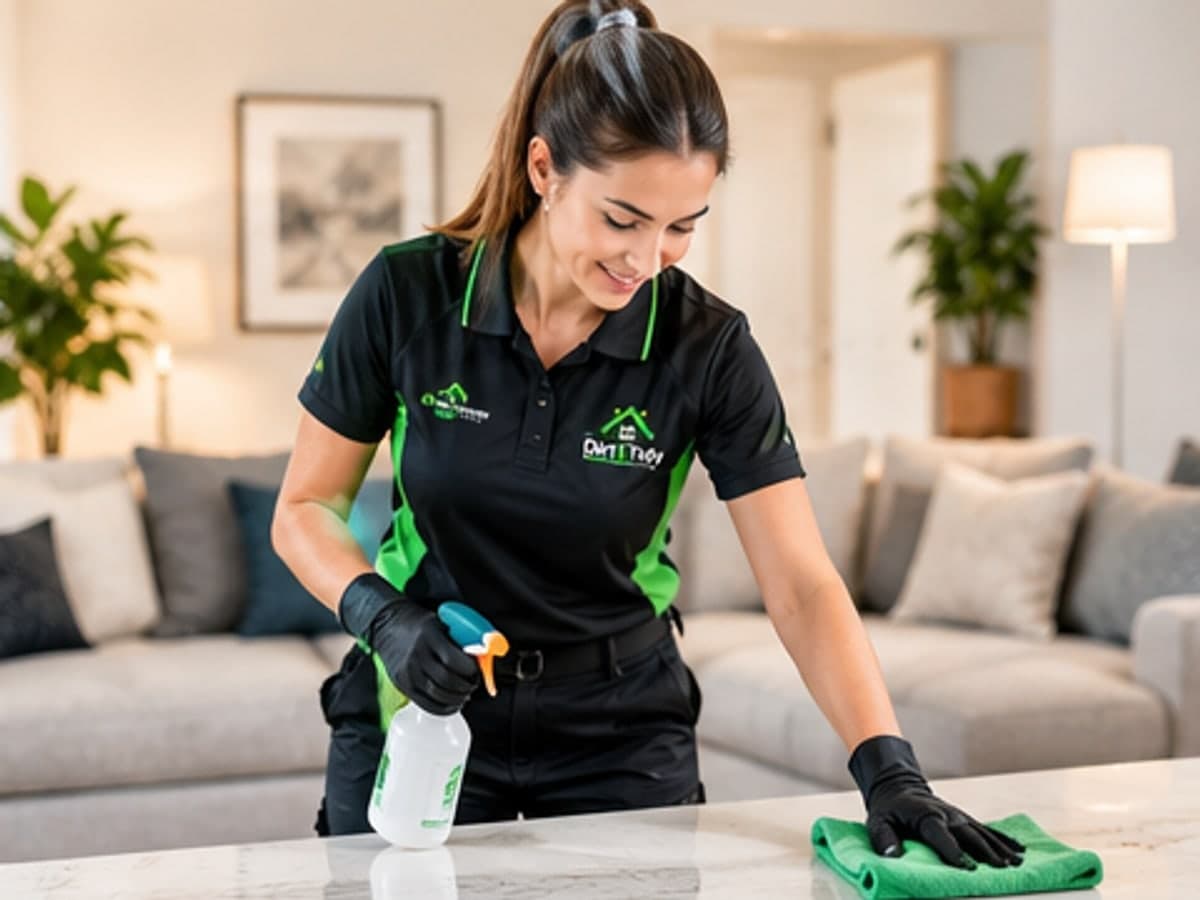
How to remove spoiled milk from my carpet? An organic cleanser is usually sprayed on stains and scrubbed gently. Finally, wipe away the cleanser

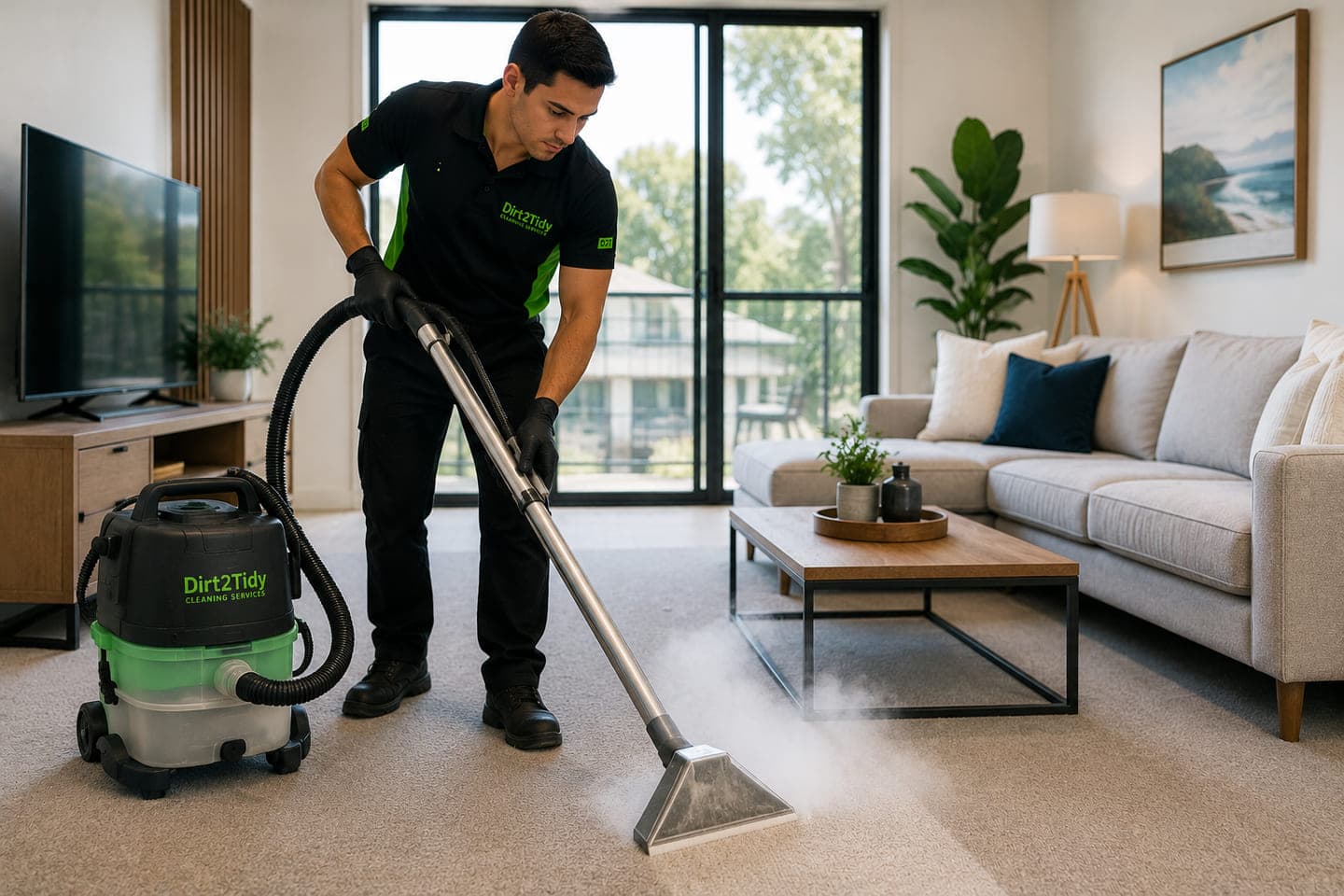
Carpet steam cleaning treatment in an Australian living room

The Worst Carpet Disaster: Spilled Milk How to remove spilt milk from the carpet? How to Remove Sour Milk Smell from Carpets? Most carpet cleaners include chemicals that can damage pets and carpet. Use green carpet cleaners. Organic cleansers may remove stains, smells, and more. Local stores sell eco-friendly cleaners.

An organic cleanser is usually sprayed on stains and scrubbed gently. Finally, wipe away the cleanser and stain using a white cloth. A small spill of milk on your carpet may seem harmless at first, but it can quickly turn into a serious problem.

Milk soaks into carpet fibers, leaving behind stains and lingering odors if not cleaned promptly. Initially, you might not notice the discoloration or smell, but over time, bacteria in the milk break down natural sugars into acetic and lactic acids, causing yellow stains and a foul odor.

Milk stains are particularly tricky because of their protein content once the protein dries, it hardens and becomes difficult to remove. Don’t panic! With patience and the right techniques, you can remove milk stains and restore freshness to your carpet.

For especially stubborn stains, professional carpet cleaning services are a reliable option, giving you peace of mind and a truly clean carpet. Before calling a professional, try these pro tips for tackling spilled milk. Our step-by-step guide helps you clean up efficiently, neutralize odors, and leave your home smelling fresh and clean.

Immediately grab paper towels or a clean, white, absorbent cloth if you see a spill. Depending on the pile depth, spill quantity, and time passed, the milk may have soaked into the fibres and underlayment. Apply pressure to the region to push the milk out of the cushioning and onto a cloth or towel.

Absorb as much liquid as possible until the towels are dry, then vacuum the area. Before cleaning the stain, scrape as much of the dried milk as you can and vacuum or pick up the residue. Spray water and apply laundry soap paste with a toothbrush.

Rinse residue with a cold, moist cloth, then dry with a clean, dry towel. Cold water and dish soap clean the carpet. In a basin, combine 1 cup of cold water and several drops of dish or hand soap. Wring out a clean sponge or lint-free cloth until it’s moist, not wet.

Working from the outside in, blot and wipe the stain. Rinse your sponge or cloth until the water runs clear, then dry with a clean, dry cloth. Milk odour in carpet removal Baking soda absorbs the stench of sour milk. Sprinkle baking soda over a damp or dry affected area and let it sit overnight.

morning, vacuum thoroughly. As with carpeting, use a paper towel or clean, white cloth to soak up milk. If feasible, unzip the upholstered cover and lay a towel or paper towel under the spill to absorb the milk and prevent it from permeating the cushion.

Before using a moist towel, remove any dried residue with a credit card, plastic spoon, or other blunt, flexible item. Slowly massage the dry material to prevent damaging it. Upholstery debris should be vacuumed.

If you’re tackling an old or dried milk spill, take a moment to gently scrape up as much of the hardened residue as possible. Use slow, deliberate strokes don’t rush, as you want to avoid harming the fabric. Focus your efforts only on the dried matter.

Once you’ve loosened the debris, vacuum thoroughly with an upholstery attachment to pick up any remaining particles. This step makes your cleaning efforts much more effective and helps protect the fabric’s surface. Damp-Wipe for a Thorough Clean After removing the spilled milk, it’s important to give the area a proper damp-wipe.

Use a clean, damp white cloth or towel to gently blot the affected spot. The white cloth ensures that no dye transfers onto your carpet while allowing you to see any remaining residue. Lightly wiping with moisture helps lift lingering milk particles and prevents staining or odors from setting in.

Repeat the process as needed, changing to a fresh cloth if it becomes too soiled. Finishing with this step ensures your carpet stays clean, fresh, and free from lingering smells. Dry the Fabric Thoroughly Once you’ve finished cleaning the milk spill from your carpet, the final and often overlooked step is properly drying the area.

After blotting with a damp cloth, moisture can remain trapped in the carpet fibers, which can lead to lingering odors, mold growth, or even discoloration over time. Use a clean, dry towel to gently press down on the spot, absorbing as much remaining moisture as possible.

Avoid rubbing, as this can push any leftover residue deeper into the carpet. For best results, replace the towel with a fresh, dry one if it becomes saturated. You can also apply light pressure with your hand to ensure the carpet fibers regain their natural texture.

For faster drying, consider placing a fan or a dehumidifier near the area to improve air circulation. If possible, open windows to allow fresh air in, which speeds up evaporation and helps remove any residual odor.

By thoroughly drying the fabric and carpet fibers, you ensure the area is not only clean and fresh but also protected from damage or mold. This step completes the cleaning process, leaving your carpet safe, hygienic, and ready for everyday use. Dealing with spilled milk promptly can prevent stains and lingering sour odors.

Here are some essential tips: Blot, Don’t Rub : Use a clean towel to absorb excess milk. Rubbing spreads the spill and embeds it deeper into the carpet fibers. Neutralize Odors : Lightly apply a mixture of water and vinegar to help counteract the sour smell.

Spot Test First : Always test any cleaning solution on an inconspicuous area of your carpet to ensure it won’t cause discoloration. Use a Carpet Cleaner : Apply a gentle carpet cleaning solution to the affected area.

Gentle Brushing : Use a soft brush to work the cleaner into the fibers, helping lift the milk residue and odors effectively. Following these steps ensures your carpet stays clean, fresh, and free from unpleasant smells after a milk spill.

Using Coffee to Remove Milk Odor from Carpet One effective way to neutralize the sour smell of spilled milk is with fresh coffee grounds. Start by sprinkling a generous layer of unused, dry coffee over the affected area. The coffee acts as a natural deodorizer, absorbing both moisture and odors from the carpet fibers.

Allow the grounds to sit for at least an hour or longer for stronger smells so they can fully absorb the lingering scent. Once the coffee has done its job, carefully vacuum the area to remove all grounds. This simple, eco-friendly method leaves your carpet smelling fresh without harsh chemicals.

How to Remove Sour Milk Smell from Carpets ? Even after removing a milk spill, the sour odor can linger, making your carpet smell unpleasant. Fortunately, there are several effective techniques to eliminate it completely: Blot Immediately : After a spill, use a clean, white towel to blot up as much milk as possible.

Avoid rubbing, which spreads the liquid and embeds it deeper into the fibers. Apply a Vinegar Solution : Mix equal parts water and white vinegar and lightly spray the affected area. Vinegar neutralizes the sour odor without harming most carpet types. Always spot-test first on an inconspicuous area.

Sprinkle Baking Soda : After the area is slightly damp with the vinegar solution, sprinkle a generous amount of baking soda over the carpet. Baking soda naturally absorbs odors and moisture. Leave it for several hours or overnight. Use Coffee Grounds (Optional) : For persistent smells, sprinkle fresh, unused coffee grounds over the area.

Let them sit for an hour or two to absorb the odor, then vacuum thoroughly. Gentle Brushing : Lightly brush the carpet fibers with a soft brush to work in cleaning solutions and lift residues.

Upholstery cleaning on a sofa in an Australian lounge
Keep cleaning moving

Related Cleaning Services

More from Dirt2Tidy

Related Cleaning Guides