Choosing the Right Fabrics for Australian Conditions How to Prevent Sun Damage to Your Upholstery Tips for Maintaining Upholstery in Humid Climates Protecting Against Dust and Allergens Using Covers and Throws for Added Protection The Role of Regular Cleaning in Upholstery Preservation How to Treat and Prevent Mold and Mildew Preparing Your Upholstery for Seasonal Changes Australia’s climate, with its intense sun, humidity, and occasional dust storms, can be tough on your upholstery .
These environmental factors can lead to fading, fabric deterioration, and even mold growth if not properly managed. This guide provides practical tips on how to protect your upholstery furniture from the elements, ensuring it stays in good condition for years to come.
When selecting upholstery for your home , it’s important to choose fabrics that can withstand Australia’s harsh climate: Sun-Resistant Fabrics: Consider fabrics that are specifically designed to resist UV rays, such as acrylics or solution-dyed nylons. These materials are less likely to fade or weaken under the sun.
Synthetic Blends: Blends of synthetic fibers, like polyester or olefin, tend to be more durable and resistant to wear and tear from harsh weather conditions than natural fibers like cotton or linen.
Microfiber: Microfiber is known for its durability and resistance to stains, making it a great choice for households that experience a lot of sun exposure and dust. Leather: While leather is durable, it can dry out and crack if exposed to direct sunlight or extreme heat.
Consider using leather only in areas with controlled light exposure or opting for treated leather designed to withstand the sun. Choosing the right fabric from the start is crucial to ensuring your upholstery can stand up to Australia’s environmental challenges.
[lead-form form-id=1 title=Fill to Get Free Cleaning Checklist] The Australian sun is particularly strong, and prolonged exposure can cause significant damage to your upholstery: Use Window Treatments: Install curtains, blinds, or UV-blocking films on your windows to reduce the amount of sunlight that reaches your furniture.
This can significantly extend the life of your upholstery .
Rearrange Furniture: If possible, rearrange your furniture to minimize direct sun exposure. Place upholstered pieces away from windows or in shaded areas of the room. Apply Fabric Protectors: Use UV-protective sprays on your upholstery to provide an additional layer of defense against the sun’s rays. These sprays help prevent fading and fabric breakdown.
Rotate Cushions and Furniture: Regularly rotating cushions and moving furniture around can help ensure even exposure to sunlight, reducing the risk of one area fading more than another. By taking these steps, you can protect your upholstery from the damaging effects of the sun and keep it looking vibrant.
Australia’s coastal areas and tropical regions often experience high humidity, which can lead to mold and mildew growth on upholstery: Use Dehumidifiers: Dehumidifiers help reduce moisture levels in the air, making it harder for mold and mildew to grow on your upholstery. Place them in rooms where humidity is high.
Ensure Proper Ventilation: Good airflow is crucial for preventing moisture buildup. Keep windows open when possible, use fans, and ensure air conditioning units are properly maintained. Choose Mold-Resistant Fabrics: Some fabrics are treated with anti-microbial finishes that resist mold and mildew. If you live in a particularly humid area, consider these options for your upholstery.
Regular Cleaning: Clean your upholstery regularly with a vacuum or a damp cloth to remove dust and dirt that can harbor moisture. Spot clean with a vinegar solution to kill mold spores if necessary. Dry Upholstery Thoroughly: If your upholstery does get wet, make sure to dry it thoroughly as quickly as possible.
Use fans, open windows, or a hairdryer on a low setting to help speed up the drying process. By managing humidity and keeping your upholstery clean, you can prevent the growth of mold and mildew and protect your furniture from damage.
You may also like to read about- “What is the Best Carpet and Upholstery Cleaner” Dust is a common issue across many parts of Australia, especially in dry, inland areas.
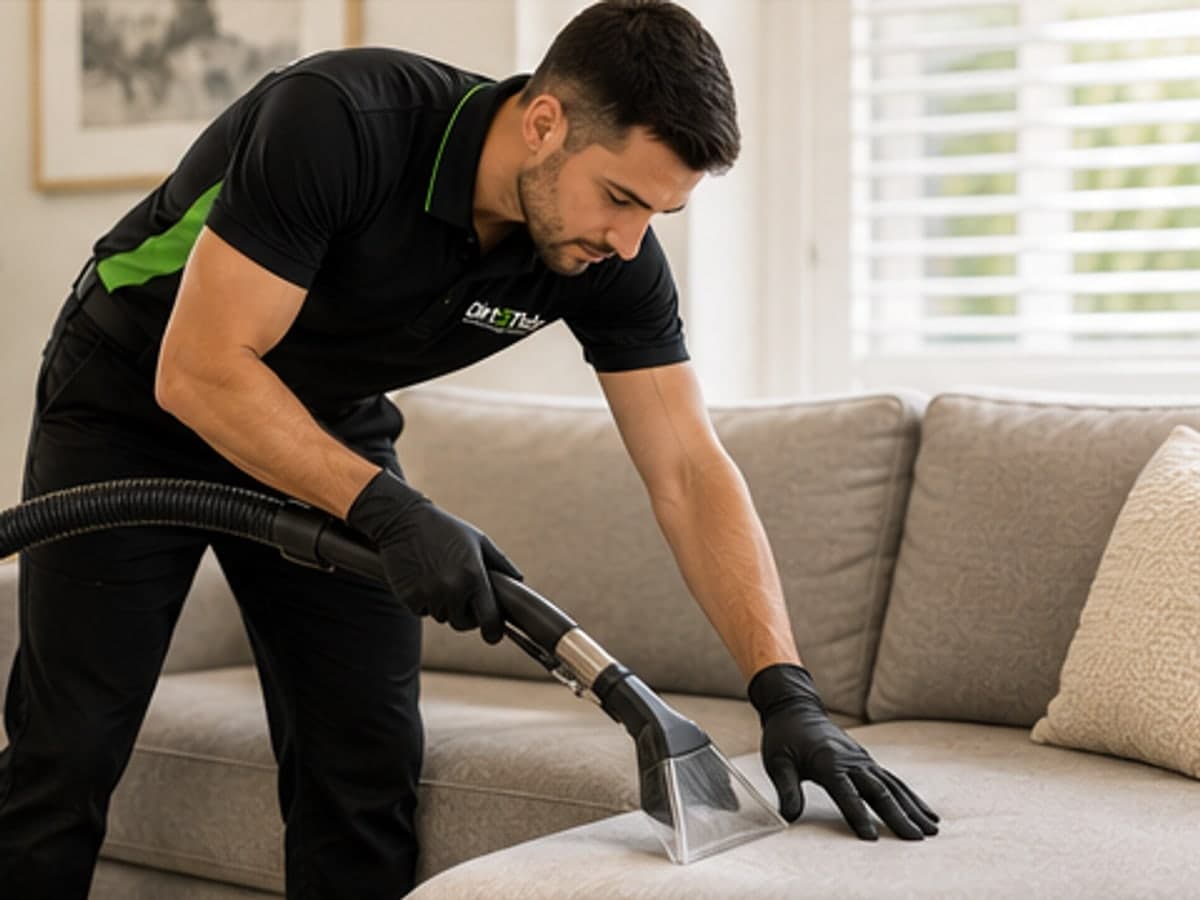
Dust can settle on upholstery, leading to allergens and a dull appearance: Vacuum Regularly: Use the upholstery attachment on your vacuum to clean your furniture weekly. This helps remove dust and allergens before they become embedded in the fabric. Use Dust Covers: When not in use, cover your furniture with dust covers or lightweight sheets.
This is especially useful for rooms that are not frequently occupied. Air Purifiers: Consider using air purifiers with HEPA filters to reduce the amount of dust and allergens in the air, which can settle on your upholstery. Groom Pets Regularly: If you have pets, groom them regularly to minimize shedding and dander.
This helps keep your upholstery cleaner and reduces allergens. Wipe Down with Microfiber Cloths: Occasionally wipe your upholstery with a microfiber cloth. These cloths are excellent for picking up dust without causing damage to the fabric.
These simple measures can help keep your upholstery free from dust and allergens, maintaining a cleaner, healthier environment in your home. Protective covers and throws are a practical solution for shielding your upholstery from the elements and everyday wear: Slipcovers: Slipcovers are a versatile option that can be easily removed and washed.
They provide an additional layer of protection against dirt, dust, and sunlight. Throws and Blankets: Draping a throw or blanket over the most exposed areas of your furniture can help protect it from direct sunlight, spills, and pet hair. Plus, they add a decorative touch to your room.
Seasonal Covers: Consider using different covers or throws seasonally, choosing lighter fabrics for summer and heavier, insulating fabrics for winter. This not only protects your furniture but also enhances your home’s decor.