How to properly clean and sanitize a couch at home?

Microbes that cause disease can spread quickly through your home if you don't clean your couch and other upholstered furniture.

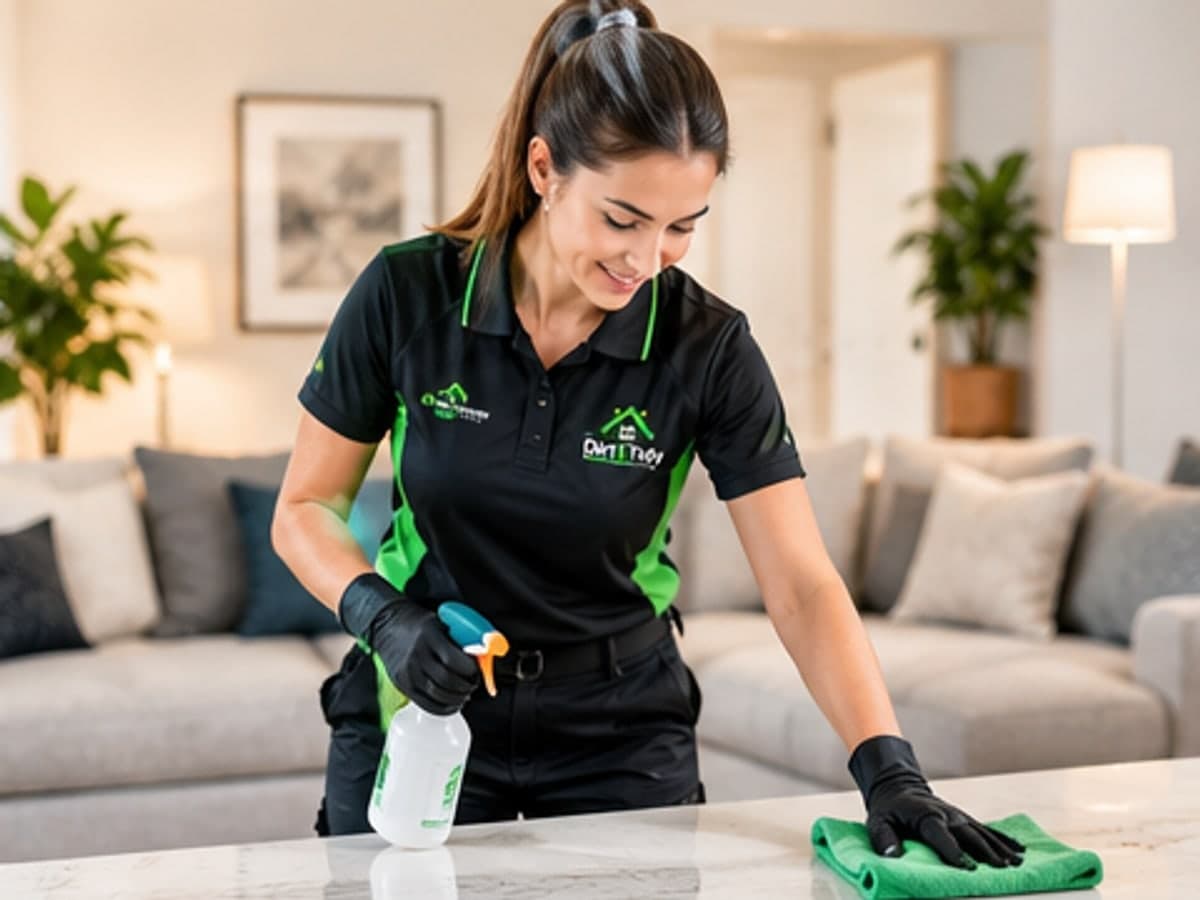
House cleaner tidying an Australian family home

How Often Should You Vacuum Your Couch? What if you don’t have the manufacturer’s instructions? How to deep clean couches made of fabric or microfiber: Before you can clean and disinfect your couch, you’ll need to get rid of any dirt, pet hair, and dust that have built up.

A vacuum cleaner is used to do this. Go over the couch’s seat, backrests, and armrests with the vacuum . Pay attention to the corners, because that is where dirt can hide. Don’t forget to clean the bottom of the couch. The process of giving a sofa a deep clean and removing dirt from it.

To stay ahead of dust, crumbs, and the never-ending parade of pet hair, make vacuuming your couch a weekly habit. Don’t wait until you see visible debris—most of the gunk settles in long before you spot it.

A weekly vacuuming routine with attachments designed for upholstery (like those you might find with Dyson, Shark, or Hoover vacuums) helps prevent grime from embedding into the fabric fibers, making your deep cleans easier. If you have pets or small kids (or both!), consider upping the frequency to a couple of times per week.

This keeps allergens and dirt from building up and protects everyone breathing the air—and sitting on the sofa—from unwanted nasties. Regular attention also means your next big clean won’t feel like such a project. Check the label on your couch to find out what cleaning agent or disinfectant you should use.

On the label, there would be a sign that shows this. If you see this symbol on the label of your couch, it means you can clean it with water. S: This symbol means that you can only clean or disinfect your couch with a product that contains a solvent.

You should never let water touch your couch for any reason. WS: If this sign is on the label of your couch, you can be happy. This symbol means that you can clean the couch with both water-based and solvent-based disinfectants. X: This sign means you would have to be happy with just vacuuming.

You shouldn’t clean the couch with water or any other cleaner that kills germs. If you can’t track down the manufacturer’s cleaning guide , don’t worry—it happens to the best of us.

Most couches have a handy tag, often hiding under the seat cushions, that tells you how to clean both the fabric and the filling. Be sure to check both sides of the tag, as one side usually gives cleaning directions for the covers and the other for the cushions.

Double-check that you’re reading the right set of instructions based on what you want to clean. This helps prevent any cleaning mishaps and keeps your couch in good shape.

Pick a cleaner for your couch to sanitize a couch Once you know if regular disinfectants will work on your couch, the next step is to choose a disinfectant.

You can use the following things to clean: Sanitizer and disinfectant you make yourself: You can make a quick disinfectant with things you already have at home. This cleaner is made by mixing 2 cups of hot water with 1 tablespoon of dish soap.

Alcohol Cleaner: Mix 2 cups of rubbing alcohol with 1 cup of water to make this sofa cleaner . Alcohol is good at getting rid of viruses in living room and bedroom. Vinegar Sanitizer and Disinfectant: Mix 1 cup of white vinegar with 1 cup of water to make this disinfectant.

Vinegar is very good at killing bacteria and dust mites from fabric couch. Quick Cleaning for Upholstered Furniture Mix 1 cup warm water, ½ cup white vinegar, and 1 tbsp dish soap in a spray bottle. Shake well, spray from 30 cm away, and wipe with a clean cloth. Let air-dry—the vinegar smell fades.

Works for most synthetic fabrics; avoid suede and some microfiber. Also handy for synthetic carpets. Steam: Steam is another good way to clean and kill germs. The heat from the steam gets rid of more than just dirt and grime. It also gets rid of allergens, viruses, dust mites, mildew, and other harmful things.

To use it, though, you need a special steam cleaner with a brush attachment. Why Use Distilled Water Instead of Tap Water? When it comes to cleaning your fabric couch, reaching for distilled water can make all the difference.

Distilled water doesn’t contain the minerals or impurities commonly found in tap water, which means it won’t leave behind those pesky watermarks or dull spots after drying.

Tap water, on the other hand, often carries minerals like calcium and magnesium that can sometimes show up as residue or even contribute to new stains—definitely not what you want after all your elbow grease.

Choosing distilled water is especially handy for those true fabric-care enthusiasts (or for anyone who’s ever been haunted by streaky spots after cleaning). It helps ensure a spotless finish and keeps your couch looking fresh, without the risk of mysterious marks cropping up.

Plus, it’s a gentle option that’s safe for delicate upholstery, so you don’t have to worry about accidental damage. How Often Should You Deep Clean Your Couch? Even with regular vacuuming to remove surface dirt and pet hair, a deeper clean is still necessary.

Ideally, you should aim to deep clean your couch at least once every six months. If you have young children, pets, or anyone with allergies at home , consider deep cleaning more frequently—every three to four months can help keep your couch hygienic and fresh.

Regular deep cleaning helps remove embedded dust , stains, and allergens that basic cleaning can miss. By setting a routine, you’ll extend the life of your furniture and ensure it remains a healthy spot for relaxation and gathering.

Extra Tips for a Fresh Couch Keep out of direct sunlight and away from heat to prevent fading and damage. Air-dry removable covers in shade, not sun. Deep clean once or twice a year. Rotate cushions regularly for even wear. Cleaning Natural vs.

Synthetic Fabric Couches Natural Fibers (Linen, Cotton, Wool) Absorb spills easily; prone to stains. Spot clean gently with minimal water. Avoid vigorous scrubbing; check care label. Synthetic Fabrics (Polyester, Microfiber, Velvet, Rayon) More stain-resistant; tolerate more cleaning. Water- or solvent-based cleaners may work (check label). Microfiber needs extra care to avoid marks or stiffness.

Match cleaning to fabric for long-lasting, fresh couches. Use a handheld clothing steamer or short bursts of steam from your iron to kill dust mites on the surface. Go over the whole sofa, letting the steam be the only thing that touches and gets into the fabric.

Skip this step and go straight to vacuuming if you don’t have a steamer or iron. Use the upholstery attachment on your vacuum to go over the back, arms, skirt, and cushions of the sofa.

If the cushions are removable, take them off and vacuum the fabric underneath, going as far under the back and arms as your vacuum can reach. Go along the seams, around any buttons, and along the trim with the crevice tool.

Make sure to test any cleaner or cleaning tool you choose for upholstery in a hidden area first to make sure it’s safe for the fabric and won’t cause water spots or colour loss. For couches with a “W” or “W/S” cleaning code, this is especially important before applying any solution to a visible area.

Spray or apply your chosen cleaner to a discreet spot and wait a few minutes to check for any negative reaction, such as fading, discoloration, or fabric damage. Only move on to treating stains once you’re certain the cleaner won’t harm your couch.

If you’re using a store-bought upholstery or carpet cleaning product, take a moment to check if it’s water-based or solvent-based, and double-check that it’s suitable for your specific furniture. (Remember the W, S, S/W, or X cleaning codes on your couch’s tag—these are your guide!) Always follow the instructions on the label for best results.

After spot-testing, if you notice no discolouration or fabric issues, proceed with the full cleaning. Once finished, absorb any leftover moisture with a towel and allow the piece to air-dry fully before use.

For fabrics that can safely be cleaned with water, treat food and pet stains with an enzyme-containing formula like Bissell Professional Pet Stain & Odor Remover following package directions. When you don’t have much time, mix 1/4 teaspoon of mild dish soap with 1 cup of warm water.

If the cover of your cushion can be taken off, unzip it and put a paper towel between the fabric and the filling to soak up any moisture. Apply the cleaner to a cloth and blot the stain carefully, working from the outside in.

Once the stain is gone, use another damp cloth to wipe the area clean and dry it off. Armrests and headrests that were dirty should be cleaned. Use a portable extraction cleaner for fabrics that can be cleaned with water.

Just pour the mixture of cleaner and water through the hose, move the fabric around with the brush nozzle, and vacuum the dirt into the tank.

If you’d rather skip the elbow grease (and the risk of accidentally damaging your upholstery), you can always call in professional cleaners to deep clean your furniture while you sit back and relax. Not only does this save time, but it also ensures your sofa gets a thorough, expert treatment—no guesswork or DIY mishaps.

Sometimes, letting the pros handle it is the best way to keep your couch looking and feeling its best. For solvent-only fabrics, it’s best to call in a professional for safe and thorough cleaning . Make the couch clean.

Once your sofa is clean and dry, use a fabric sanitising spray like Antibacterial Fabric Spray to kill any bacteria that is still there and get rid of any smells.

Spring deep cleaning of an Australian household
Keep cleaning moving

Related Cleaning Services

More from Dirt2Tidy

Related Cleaning Guides