Check the Manufacturer’s Instructions Vacuum the Upholstery Thoroughly Spot Test the Cleaning Solution Use the Right Cleaning Techniques Rinse and Blot the Fabric Dry the Upholstery Properly Fluff and Refresh Cushions Protect Your Upholstery from Future Stains Schedule Regular Deep Cleaning Upholstered furniture adds comfort and style to any home, but it also requires regular cleaning to maintain its appearance and longevity.
Over time, upholstery can accumulate dust, stains, and odors, which can detract from the beauty and comfort of your furniture. This blog provides a step-by-step guide to help you care for your clean upholstery, ensuring it stays fresh and inviting. Before you begin clean upholstery, it’s crucial to check the manufacturer’s care instructions.
These instructions are typically found on a label attached to the furniture, and they provide important information about the types of cleaning methods and products that are safe to use. Upholstery fabrics can vary widely, so following the manufacturer’s guidelines helps prevent damage and ensures that you’re using the appropriate cleaning techniques.
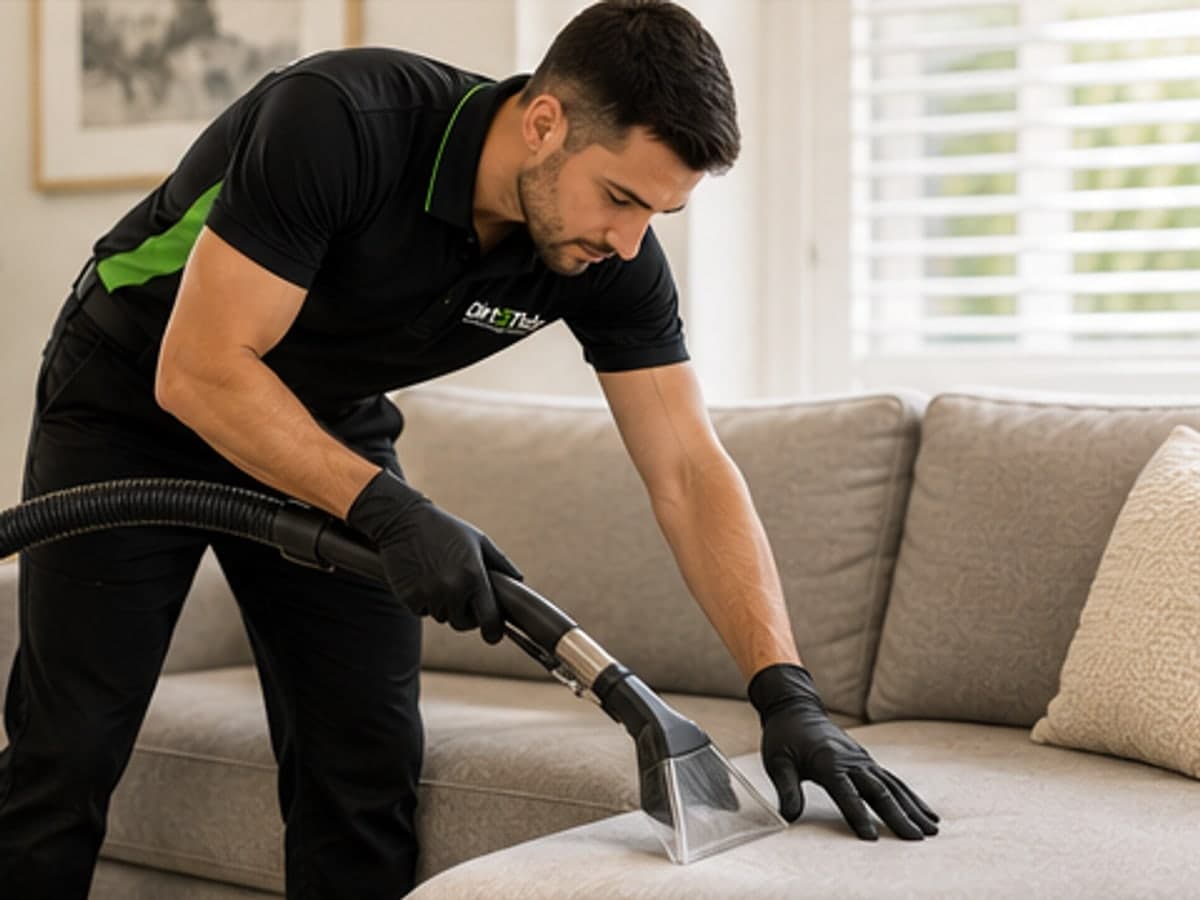
You may also like to read about- “How to clean a carpet rug and upholstery’ The first step in clean upholstery is to thoroughly vacuum the fabric. Use a vacuum cleaner with a soft brush attachment to gently remove dust, dirt, and debris from the surface.
Pay special attention to crevices, seams, and under cushions, where dirt tends to accumulate. Regular vacuuming not only keeps your upholstery looking clean but also prevents dirt from becoming embedded in the fabric, which can lead to wear and tear over time.
Before applying any cleaning solution to your upholstery, it’s important to perform a spot test. Choose an inconspicuous area of the fabric, such as the back or underside of a cushion, and apply a small amount of the cleaning solution. Let it sit for a few minutes, then blot it with a clean cloth.
Check the spot for any signs of discoloration, fading, or damage. If the fabric responds well, you can proceed with cleaning the entire piece. When it comes to stains, the sooner you treat them, the better.
Different types of stains require different approaches: Food and drink stains: Blot the stain with a clean, dry cloth to remove as much liquid as possible. Then, use a mild detergent mixed with water to gently clean the area. Grease and oil stains: Sprinkle baking soda or cornstarch on the stain to absorb the grease.
After a few minutes, vacuum the powder and clean the area with a mild detergent. Ink stains: Dampen a cloth with rubbing alcohol and gently blot the stain. Avoid rubbing, as this can spread the ink. Always blot stains—never rub—because rubbing can push the stain deeper into the fabric and damage the fibers.
Depending on the type of upholstery fabric, different cleaning techniques may be required: Water-safe fabrics: For upholstery labeled as safe for water-based cleaning, you can use a mixture of water and mild detergent. Apply the solution to the fabric with a clean cloth, working in small sections.
Blot the area with a damp cloth to remove the cleaning solution, then allow it to air dry. Solvent-safe fabrics: For fabrics that are safe for solvent-based cleaning, use a solvent cleaner designed specifically for upholstery. Apply the cleaner to a cloth and gently blot the fabric, following the same process as with water-based cleaning.
Steam cleaning: For deep cleaning, you can use a steam cleaner designed for upholstery. Be sure to follow the manufacturer’s instructions and test a small area first. Steam cleaning is effective for removing deep-set dirt and refreshing the fabric.
After cleaning the upholstery, it’s important to rinse away any remaining cleaning solution to prevent residue buildup. Use a clean, damp cloth to blot the area, removing as much of the solution as possible. Repeat this process with fresh water until the fabric feels free of soap or cleaner.
Blot the fabric with a dry cloth to remove excess moisture, then allow the upholstery to air dry completely. Proper drying is essential to prevent mold, mildew, and odors from developing in your upholstery. After blotting the fabric, allow it to air dry in a well-ventilated area.
If possible, open windows or use fans to increase air circulation and speed up the drying process. Avoid using heat sources, such as hair dryers, which can cause shrinkage or damage to the fabric.
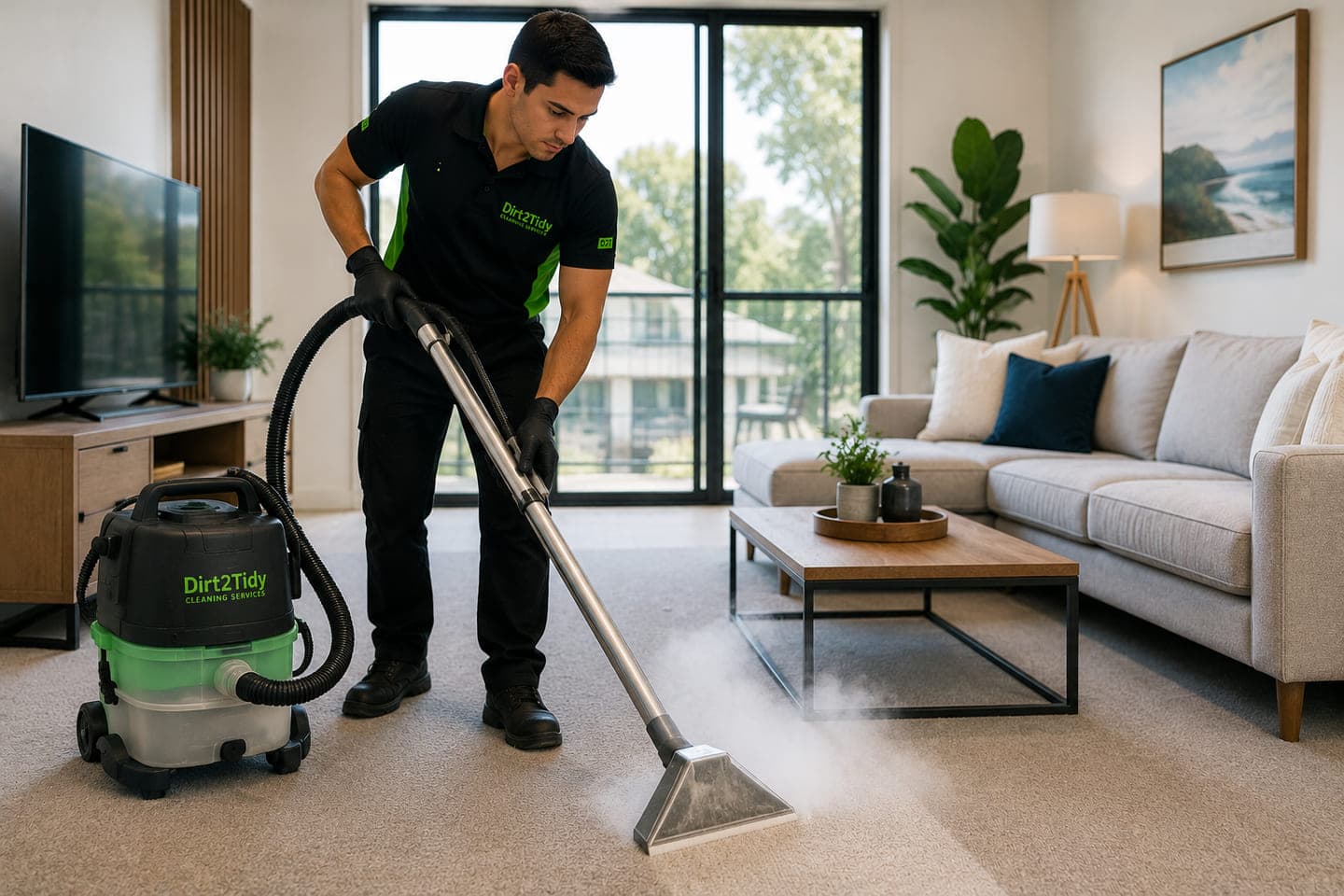
Practical next steps for How To Clean Upholstery Guide
- Share the property type, size, condition and access information before requesting a quote.
- Identify priority rooms, surfaces, stains, pets, furniture and any inspection or handover date.
- Separate cleaning from repairs, pest treatment, plumbing, electrical or restoration work.
- Confirm inclusions, exclusions and optional services before the appointment.