
What is the normal dry time after the carpets are cleaned?

It is important to know the dry time after the carpets are cleaned because if they are not completely dry, they can become mildewed or moldy. Carpets that are

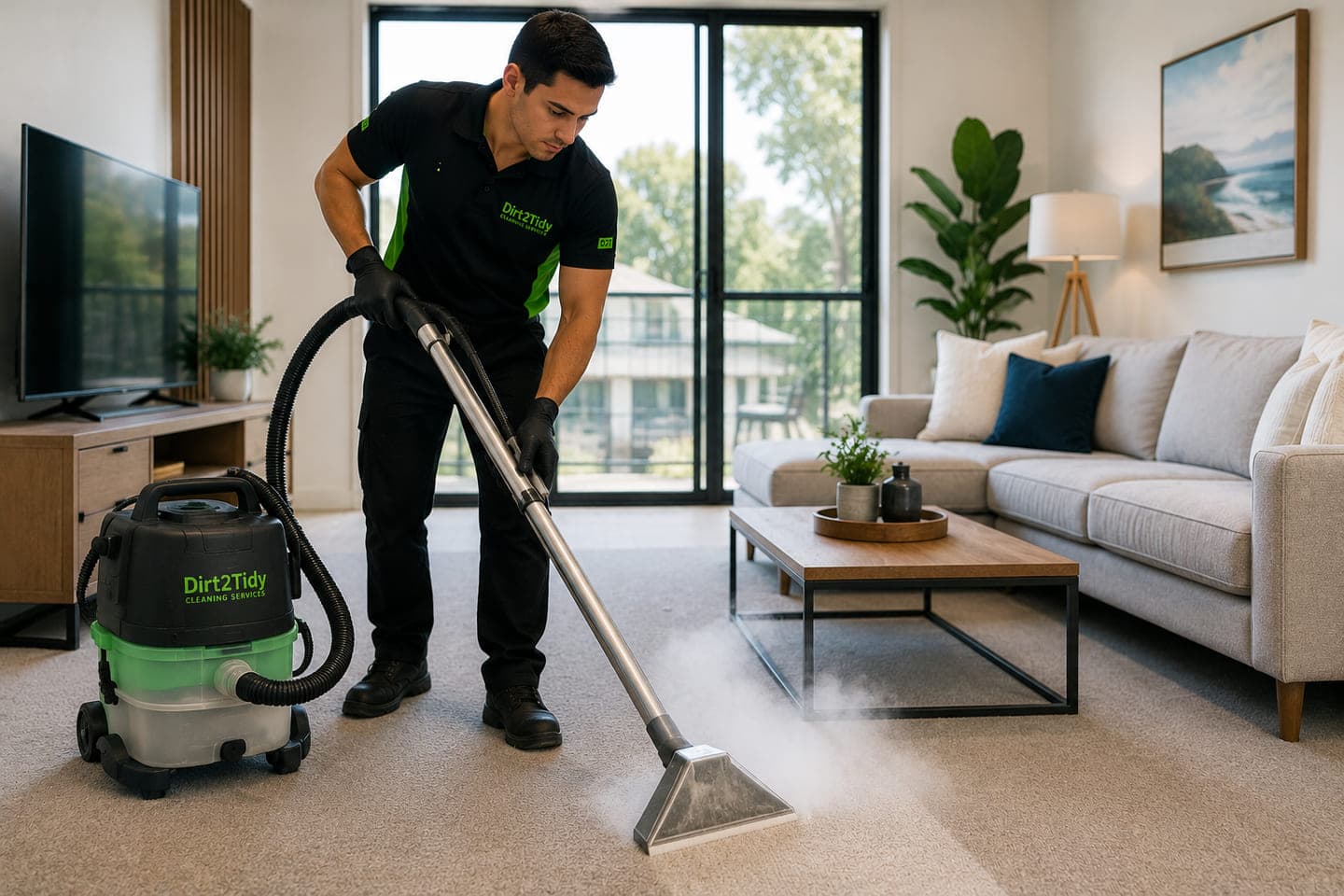
Carpet steam cleaning treatment in an Australian living room

Different types of carpet cleaning methods How to speed up the drying process Are you tired of waiting for your carpets to dry after a professional cleaning? Do you find yourself constantly checking if the carpet is still wet or damp? You’re not alone.

The question of how long it takes carpets to dry after being cleaned is one that many homeowners ask. In this blog post, we’ll explore what factors affect drying time and give you an idea of what to expect so you can plan accordingly. So sit back, relax, and let’s dive in!

What is the normal dry time for carpets? The average dry time for carpets is between 6 and 12 hours, although this can vary depending on the type of carpet, the cleaning method used, the temperature and humidity of the room, and the ventilation.

Dry time after carpet cleaning depends on a number of factors, including the type of carpet, the cleaning method used, the humidity and temperature of the room, and how well the carpets are ventilated. The most common types of carpet cleaning methods are steam cleaning and dry cleaning.

Steam cleaning uses hot water to clean the carpets, and then extracts the water along with dirt and stains. Dry cleaning uses chemical solvents to break down dirt and stains, and then vacuums up the residue.

Both steam cleaning and dry cleaning can leave your carpets wet, so it’s important to make sure they’re properly ventilated afterwards. If possible, open windows or use fans to help circulate air and speed up drying time. In humid conditions, it may take longer for your carpets to dry completely.

Understanding the Role of Humidity in Carpet Drying Humidity plays a crucial role in determining how quickly your carpets will dry. You might think a warm day would naturally lead to faster drying, but relative humidity is actually a more significant factor than temperature alone.

Relative Humidity and Evaporation : As the air temperature increases, it can hold more moisture, which decreases the relative humidity. Lower relative humidity means faster evaporation and, consequently, quicker drying times.

Temperature Interplay : While higher temperatures can aid evaporation, if the humidity remains high (70% or more), your carpet might take just as long to dry as it would on a cold winter’s day. This is because the moisture in the carpet has nowhere to go if the air is already saturated.

By understanding these dynamics, you can better manage drying times by adjusting indoor conditions, such as using dehumidifiers or air conditioning, to lower humidity levels. This ensures your carpets dry efficiently, regardless of the weather outside. Is There a Difference in Carpet Dry Times Between Winter and Summer?

When it comes to carpet drying times, many people assume that the season plays a significant role. Interestingly, the difference between winter and summer is not as pronounced as one might think. In winter, one might expect carpets to take longer to dry due to cooler temperatures.

However, modern carpet cleaning technology often compensates for this. Advanced air movers and powerful vacuum extraction systems rapidly remove moisture, minimizing drying time even when it’s cold outside. Indoor heating can also aid the drying process, allowing carpets to dry surprisingly fast.

During the summer months, carpets may dry faster due to higher temperatures and lower humidity levels. Nonetheless, if the air holds significant moisture, drying times can extend, resulting in conditions similar to those in winter.

In conclusion, while various factors like humidity level and air circulation influence drying times, the season itself does not drastically alter the outcome. Advanced cleaning tools and thoughtful indoor climate management can ensure efficient carpet drying all year round. Why is it important to know the dry time?

It is important to know the dry time after the carpets are cleaned because if they are not completely dry, they can become mildewed or moldy. Carpets that are not completely dry can also harbor dust mites, which can cause allergic reactions in some people.

When your carpets are cleaned, you want them to dry as quickly as possible. There are a few things you can do to speed up the drying process and get your carpets back to normal as soon as possible. First, if possible, open up any windows in the room where the carpets were cleaned .

This will help to circulate the air and dry the carpets more quickly. Second, turn on any fans that you have in the room. Again, this will help to circulate the air and dry the carpets more quickly. Third, if you have a dehumidifier, turn it on.

This will help remove any excess moisture from the air, which will also speed up the drying process. Finally, give your carpets time to dry completely before walking on them or placing any furniture back on them.

Depending on the humidity level and temperature of the room, this could take anywhere from a few hours to overnight. But it’s important to let them dry completely so that they don’t get re-soiled or damaged.

However, if you need to walk on the carpet immediately after cleaning, there’s a way to do so without compromising its cleanliness. Consider using disposable shoe covers, which allow you to move around freely while protecting the freshly cleaned surface. Simply slip them over your shoes or socks.

A few tips for using shoe covers: Be cautious as they can be slippery, especially when transitioning from carpet to hard surfaces. Avoid stepping outside with the covers on and then returning to the carpet, as this can bring dirt back in.

By following these guidelines, you can maintain the integrity of your clean carpet while still having the flexibility to use your space as needed.

For a more precise guideline, consider the type of furniture you’re dealing with: Wooden Furniture: It’s crucial to wait at least 12 to 24 hours before placing wooden furniture back on the carpet. If placed too soon, the wooden legs might bleed into the carpet, leading to stubborn or even permanent stains.

Metal Furniture: Avoid placing metal furniture back on the carpet before 12 hours have passed. Early placement can lead to rust marks, which can be challenging to remove. Plastic Furniture: If the furniture is plastic, you have the green light to place it back on the carpet immediately.

There’s no risk of staining or rusting with these materials. By following these guidelines, you ensure your freshly cleaned carpets remain in pristine condition, free from unwanted marks or stains. Can Plastic Furniture Be Placed Back on the Carpet Immediately After Cleaning?

Absolutely, plastic furniture can be positioned back on the carpet right after you’ve given the area a good clean. Unlike wood or metal furniture, which may be susceptible to moisture damage, plastic materials stand up well even on damp surfaces.

This means you can safely relocate your plastic chairs or tables back onto the carpet without worrying about any adverse effects.

Upholstery cleaning on a sofa in an Australian lounge
Keep cleaning moving

Related Cleaning Services

More from Dirt2Tidy

Related Cleaning Guides