
Dirty Hotels and Traveller Loyalty How much is room cleaning? How Long Does It Typically Take to Clean a Hotel Room? Hotel Cleaning Tips to Increase Revenue and Bookings Hotel conjures images of vacations and travel. Travellers have hotel expectations and require an executive housekeeper.
The hygiene of the facilities and amenities is your first priority. This page will explain how we clean hotels commercially. Dirt2Tidy is the best commercial cleaning Sydney company with excellent cleaning supplies and equipments.But, more importantly, the efficiency and quality of hotel housekeeping depend heavily on equipping staff with the right tools and cleaning products.
When housekeepers have proper equipment—think reliable vacuum cleaners, microfiber cloths, and industry-grade solutions from trusted brands like 3M or Oates—they can clean rooms faster and more thoroughly, without cutting corners just to move on to the next guest. The result? A consistently high standard of cleanliness that meets both guest expectations and management requirements.
Hourly rates are related to the cost of labour per room, but they are not as useful as other metrics for figuring out how your property will do financially. The cost of labour per room has a big effect on the cost of making something.
A factory that makes widgets would want to know how much labour it takes to make a widget, in addition to how much it costs to make the widget itself. Like widgets, hotel rooms are the thing that is being bought. Labour only makes up a small part of the total cost of the product.
One important thing about cleaning labour costs is that you can control them by pulling different levers and, in the end, look at raising ADR as a result. Bad reviews might cost hotels 30 guests. 97% of travellers worldwide feel cleanliness is a must, and 90% won’t stay in a “filthy” hotel.
40% of guests will avoid hotels with more than three unfavourable reviews. Good reviews can only boost hotel sales by 4.4%. Basic. Why stay somewhere unclean? Travellers prefer clean hotels. They can touch the remote and light switches.
Why would a tourist stay in a dirty, unsanitary hotel when they can walk barefoot on well-vacuumed floors? Hotel hygiene is crucial to its reputation. Sanitation is the top reason, followed by nice employees and decent food. Hotels, motels, and other accommodations keep their facilities clean and friendly. In-house hotel cleaners clean.
Some hotels hired Dirt2Tidy to clean. Home cleaning companies hire trained and equipped cleaners. Simple formula. Multiply your hourly pay by the number of rooms a housekeeper can clean each day. Consider payroll taxes, recruiting, PTO, and benefits.
This can add 30–40% to an hourly rate, thus a housekeeper earning $23 per hour should be calculated at $28 per hour. Housekeepers clean how many rooms?
Numbers vary. Some hotels aim for 13 rooms per shift, others for 18 or 20. If this figure is too high, turnover rises. Remember that employment should entail turnover. This could increase hourly labour costs by 2–5%. It’s a balancing act.
Hotel housekeeping staff face the daily challenge of cleaning each guest’s room to strict standards, all while racing against the clock. In a typical eight-hour shift, a housekeeper might be expected to check or clean anywhere from 12 to 20 rooms.
That leaves only 20 to 30 minutes per room—at best—once you factor in the time to restock carts, travel between floors, and take required breaks. With such tight schedules, efficiency becomes everything.
Supplying housekeepers with the best possible tools and cleaning products—think Dyson vacuums or Ecolab solutions—means their time is spent cleaning, not hunting for supplies or cutting corners to move faster. The result? A cleaner hotel, lower staff turnover, and happier guests.
On average, a housekeeper has about 20 to 30 minutes to clean each hotel room during an eight-hour shift. This window accounts not just for the actual cleaning, but also for time spent moving between rooms, restocking supplies, and taking scheduled breaks.
Because productivity targets vary from one property to another—some hotels expecting housekeepers to tackle 12 rooms per day, others pushing for 18 or more—the actual time per room can fluctuate, but rarely extends beyond that half-hour mark. This balancing act is essential to keep quality consistent while meeting occupancy demands.
How can I cut room cleaning costs? Hotel housekeeping cleaning charges must include full-time and contract personnel from cleaning services. Adding contingent labour rarely raises room costs. Contract workers can clean more rooms for 30 cents each room, which is worth it during high seasons or big events.
But saving money isn’t just about who’s doing the cleaning—it’s also about how efficiently they work. Giving housekeeping staff the best tools and cleaning products means they can clean rooms faster and more thoroughly, without cutting corners to rush to the next assignment.
When housekeepers are properly equipped, their time is used more productively, and the quality of service improves. Simple upgrades—like commercial-grade vacuums, microfiber cloths, and multipurpose cleaning solutions—can shave precious minutes off each room, freeing up staff to tackle more challenging guest requests or deep cleans.
Using the right procedures and equipment can make a noticeable difference in both cost and guest satisfaction, keeping your rooms sparkling and your budget in check. Cost-effective contract labour? When trying to conserve money, you should avoid cutting down on personnel.
When compliance, safety, and insurance are taken into consideration, these solutions could have additional hidden costs. When it comes to billing, staffing organisations that don’t have tight back-office help are more likely to make mistakes, which can lead to more employee turnover and lower production. The staffing problems that plagued hotels before the outbreak continue.
In order for hoteliers to experience growth, an all-encompassing labour strategy is required. The cost of labour is money, but the cost of not recruiting enough workers is far higher. The presentation of a property has a direct impact on its long-term viability, as well as its reputation, brand, and image. Take a customer’s perspective.
How do you view ordinary travellers who reserve rooms? From there, we will restrict the huge number of ways a hotel might attract more guests to sustain and profit. Hotel and restaurant cleaning tips abound. Absolutely. The secret? Smarter tools, better prep, and sound processes.
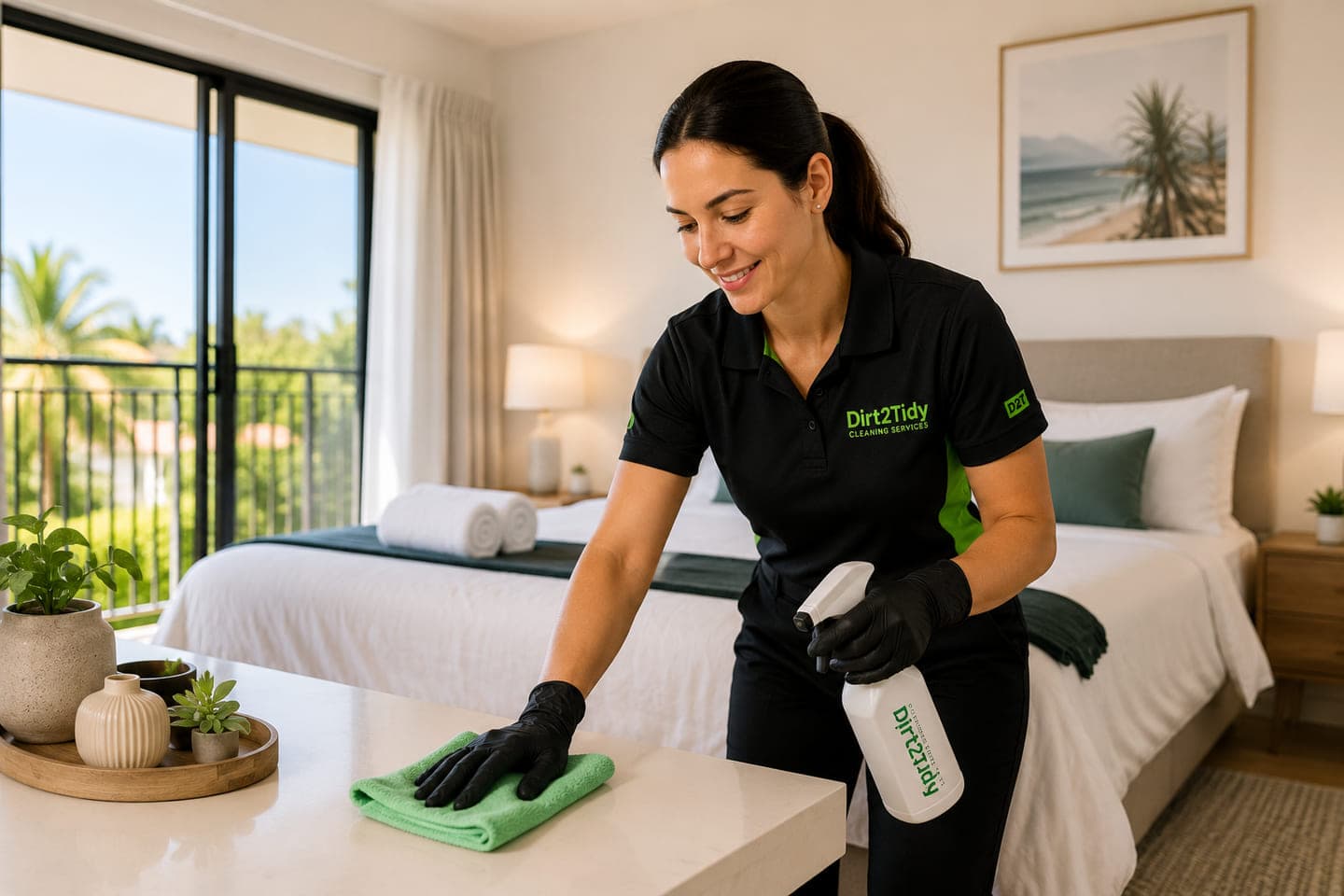
First, arm your housekeeping team with efficient, reliable cleaning supplies—think cordless vacuums, disinfectants, and microfiber cloths that actually trap dust instead of flinging it into the air. When carts are stocked thoughtfully (no missing gloves or wandering in search of fresh linens), housekeepers can spend less time backtracking and more time tidying up.
Streamline housekeeping routines: Create a standardized cleaning checklist so important details never get skipped, even on a tight schedule. Invest in the right equipment: Use multipurpose tools that tackle multiple surfaces at once—like all-in-one spray mops or HEPA filter vacuums.
Strategic workflow: Organize room assignments and tackle nearby rooms sequentially, reducing the time lost in elevator rides or hallway hikes. Last, make training a regular event, not a one-time onboarding chore.
When housekeepers confidently use these systems and equipment, they tackle each room efficiently—leaving no pillow unfluffed, no bathroom neglected, and absolutely no reason for a guest complaint. This way, hotels deliver extra-thorough cleans, keep turnover manageable, and impress even the pickiest guest—all without asking staff to sprint through their shift.
The hotel doesn’t wash the bed’s decorative bed cover as often as customers would want. Most travellers I know tossed them off the bed and didn’t use them.