Why Small Cleaning Details Matter During a Final Property Inspection Behind and Under Appliances Kitchen Rangehood and Exhaust Filters Odours Can Affect Your Final Property Inspection Create Your Own Final Inspection Checklist Why Professional End of Lease Cleaning Makes a Difference Moving out of a rental property can be both exciting and stressful.
While packing, organising paperwork, and planning your next home, it’s easy to overlook the small cleaning details that property managers inspect closely. Unfortunately, these forgotten areas are often the reason tenants lose part of their bond.
A final property inspection is designed to confirm that the home has been returned in a clean and well-maintained condition, similar to when the tenancy began, allowing for fair wear and tear. Even if the main rooms look spotless, hidden dust, grease, stains, and neglected corners can quickly attract unwanted attention.
Whether you’re moving from an apartment in Sydney, a townhouse in Melbourne, or a family home in Perth, understanding the most commonly overlooked areas can help you pass your inspection with confidence. This guide highlights the places many tenants forget and provides practical cleaning tips to maximise your chances of receiving your full bond.
Property managers don’t only look at obvious surfaces like floors and countertops. They inspect every room carefully, paying close attention to areas where dirt naturally builds over time. Understanding expectations for renting in Victoria and other Australian states can help tenants prepare more effectively for the final inspection.
Common inspection goals include: Removal of grease and grime Many tenants focus on visible areas while forgetting hidden spots that immediately stand out during an inspection. Light Switches, Power Points and Door Handles These are among the most touched surfaces in any home, yet they’re rarely included in regular cleaning routines.
A quick wipe with a damp microfibre cloth and mild cleaner instantly improves the appearance of every room. Walk through the property with lights switched on. Marks become much easier to spot. Skirting Boards and Wall Edges Skirting boards quietly collect dust throughout your tenancy.
During a final property inspection, dirty skirting boards create the impression that the property hasn’t been cleaned thoroughly. A damp cloth usually removes built-up dust quickly. Magic erasers often remove minor marks without damaging paint.
You may also like to read about- “What Property Managers Look for During Final Inspections” Many tenants clean the front of appliances but completely forget what’s underneath or behind them.
Inspect these areas carefully: Condenser area (if accessible) Don’t forget behind freestanding ovens if safe to move. These hidden areas often collect years of dust and food debris. One of the biggest reasons tenants fail end of lease inspections is a greasy rangehood.
Property managers often inspect: Soaking removable filters in hot water with degreaser makes cleaning much easier. Ignoring this area can immediately suggest incomplete kitchen cleaning . Inside Cupboards, Drawers and Cabinets Empty cupboards aren’t automatically considered clean. Leave doors open afterwards so everything dries properly.
Window Tracks, Frames and Sliding Door Channels Many tenants clean the glass but ignore the tracks. These narrow channels often contain: Sliding door tracks are especially important because property managers inspect them closely. Bathroom Exhaust Fans and Ceiling Corners Bathrooms naturally collect moisture, making them ideal places for mould and dust.
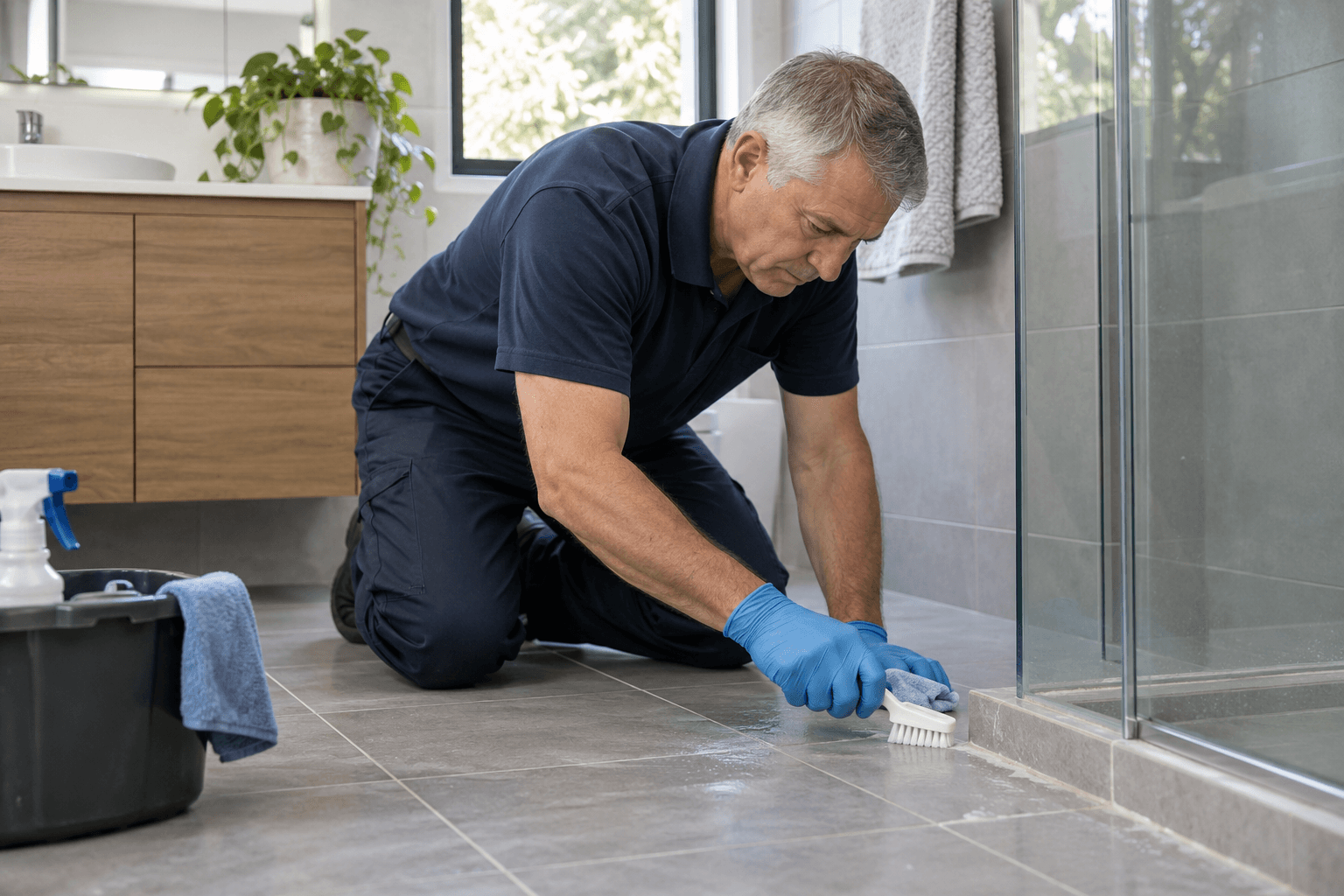
Vacuum loose dust before wiping surfaces. Removing mould early prevents larger cleaning issues later. Shower Screens, Tiles and Grout Soap scum builds gradually, making it easy to overlook. If mould has developed in silicone, treat it well before inspection day. Air Conditioning Vents and Ceiling Fans Dusty ceiling fans are easy for inspectors to notice.
Air filters (where appropriate) This also improves indoor air quality for the next tenant.