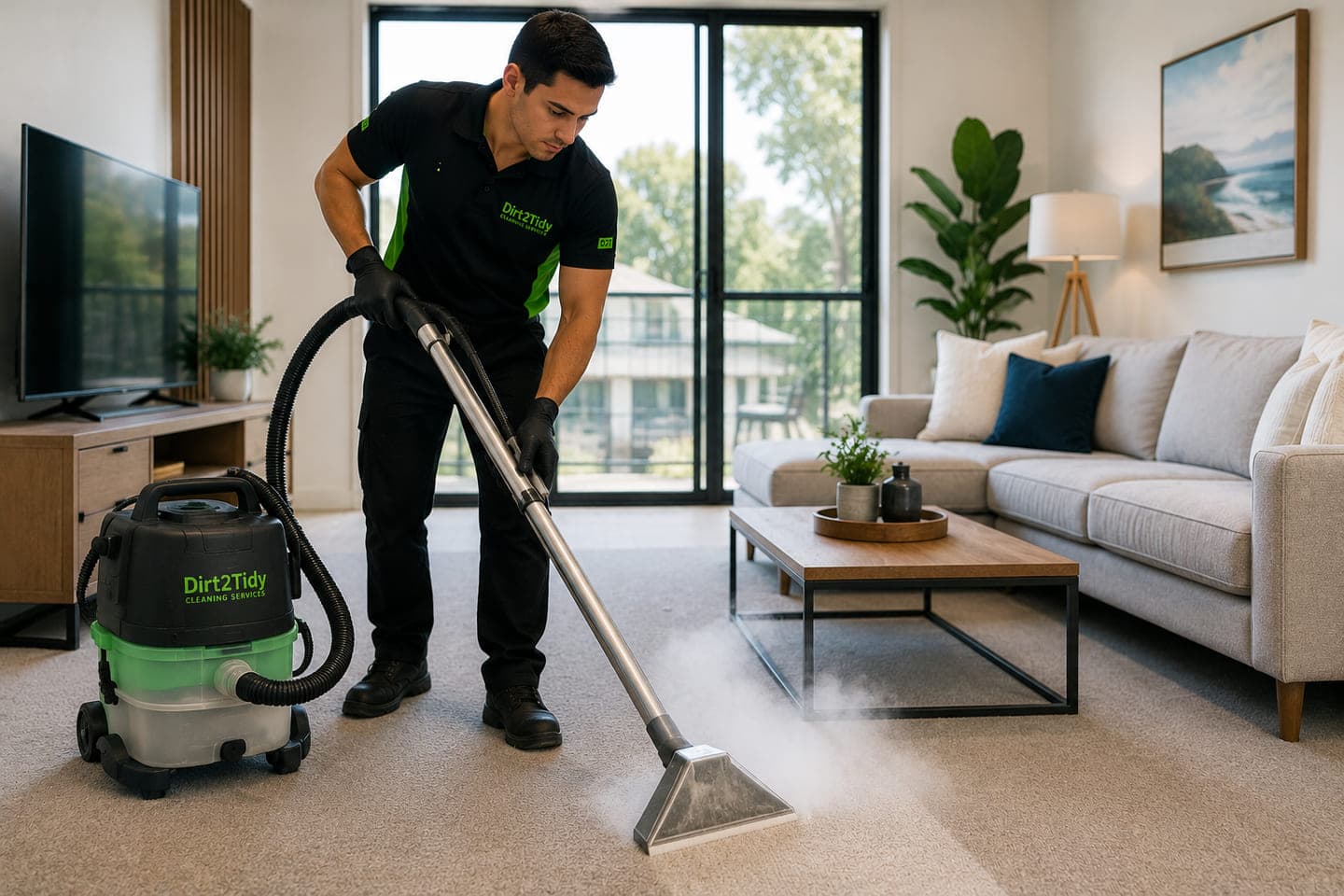
Vacuum First: Why It Matters Safeguarding Against Germs from a Cleaning Service’s Vacuum DIY Carpet Cleaning Solutions for Wool and Synthetic Carpets Before Your Competent Carpet Cleaner Comes, Here’s What You Can Do If Required, Use a Vacuum How to Properly Rinse and Dry Your Carpet After Cleaning Protect Valuables and Ensure Safety During Carpet Cleaning Before using a steam carpet cleaner, always vacuum thoroughly.
This removes loose dirt, gravel, and sand that can scratch fibers during washing. While robotic cleaners with suction are convenient, they can’t reach deep-embedded grime, allergens, or stubborn stains. Vacuuming fluffs carpet threads, loosening hidden debris and making wet cleaning more effective.
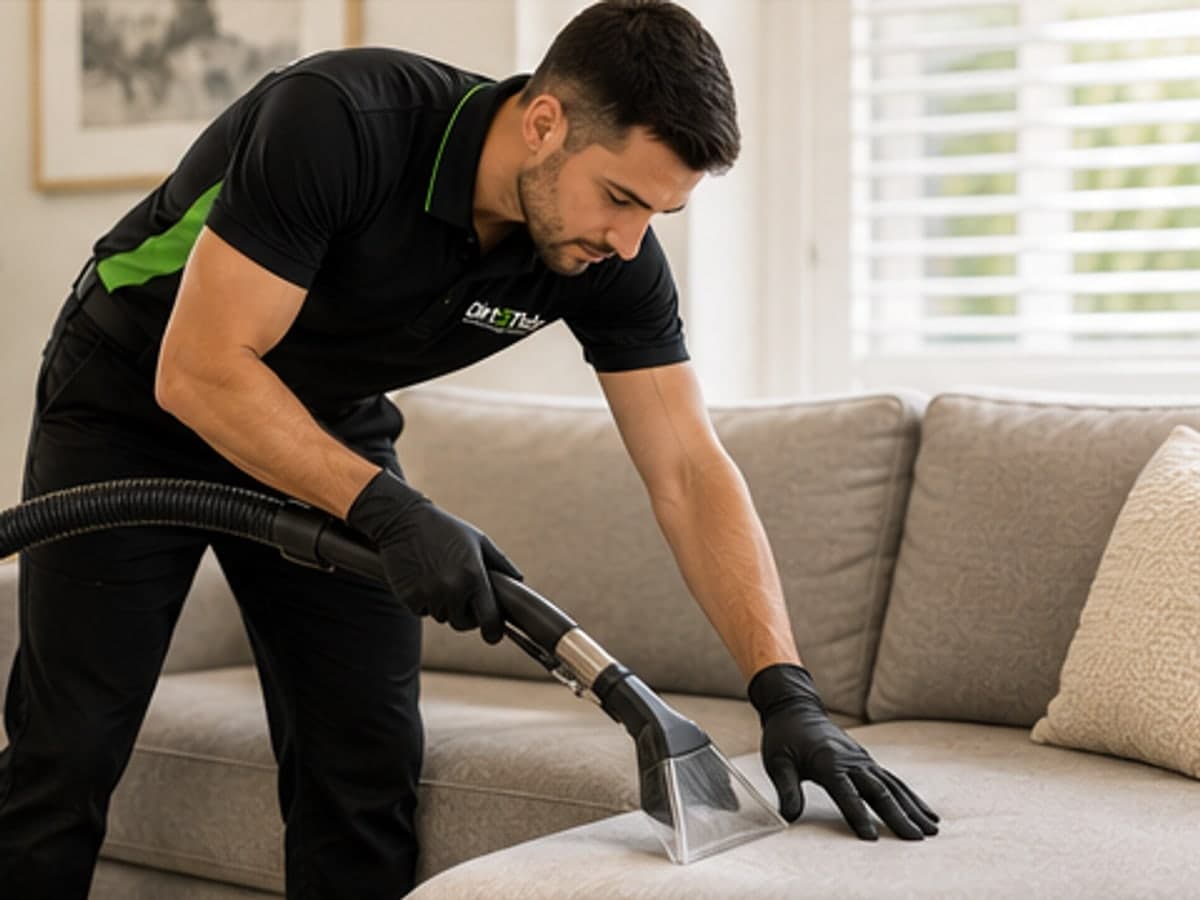
Steam cleaning or extraction then removes ground-in dirt, refreshes fibers, and improves both appearance and air quality. Many carpet cleaning solutions also leave protective agents to guard against future stains something vacuuming alone can’t achieve. In short, vacuuming first isn’t wasted effort it’s essential for a deeper, longer-lasting clean.
How Vacuuming Enhances Indoor Air Quality Vacuuming plays a vital role in elevating the air quality within your home, creating a healthier living environment. Removes Embedded Dirt and Debris : When dust and dirt settle into carpet fibers, they can release pollutants into the air you breathe.
Vacuuming regularly helps eliminate these particles, leading to fresher and cleaner air. Reduces Allergens : Allergens such as dust mites and pet dander thrive in carpets. Regular vacuuming removes these irritants, reducing allergy symptoms and making it easier to breathe. Prevents Mold Growth : Dust and moisture can contribute to mold growth in carpets.
By vacuuming, you disturb this cycle, decreasing the chance of mold development and the accompanying musty odors. Lifts and Refreshes Carpet Fibers : Dirt can weigh down carpet fibers, making them look dull, and compacting the dirt over time.
Vacuuming revives the fibers, giving your home not just a cleaner appearance, but a fresher scent as well. By incorporating vacuuming into your cleaning routine, you’re not only maintaining the look of your carpets but actively enhancing the overall air quality in your home. How Often Should You Vacuum Your Carpets?
For most households, giving your carpets a thorough vacuum at least once a week is a good rule of thumb. This routine helps prevent dirt and dust from settling deep into the fibers, making each cleaning easier and your carpets fresher.
If you have pets, young children, or high foot traffic, consider vacuuming more frequently two or three times a week isn’t overkill. Regular attention keeps allergens at bay, maintains your carpet’s plush appearance, and prolongs its lifespan. Consistency is key think of it as an ongoing investment in a cleaner, healthier home.
Allergy-Friendly Carpet Cleaning Solutions If someone in your household suffers from allergies or sensitivities, selecting the right carpet cleaning products and techniques can make a world of difference. Choose Hypoallergenic Formulas: Look for cleaning solutions labeled as hypoallergenic and free from harsh chemicals, fragrances, and dyes.
Options like Seventh Generation Carpet Cleaner or Biokleen Carpet & Rug Shampoo are designed to be gentle on sensitive systems. Prioritize HEPA Filtration: When deep cleaning, use machines equipped with HEPA filters. Brands such as Hoover and Bissell offer carpet cleaners that trap microscopic allergens, preventing them from recirculating in your home.
Promote Proper Ventilation: Open windows and doors while cleaning and as your carpets dry. Adequate airflow helps clear out any lingering particles or vapors, leaving the air fresher and safer for everyone. Taking these steps ensures your carpets are clean and your air remains friendly to even the most sensitive noses.
Choosing the Right Cleaning Method for Different Carpet Fibres Not all carpets are the same fibre type dictates the best cleaning approach: Wool Carpets: Luxurious but sensitive. Use dry cleaning or low-moisture methods. Avoid soaking or scrubbing to prevent shrinking or matting. Solution-Dyed Nylon: Durable and colorfast.
Steam cleaning or hot-water extraction is fine, but always use pH-neutral cleaners to protect fibres and colours. Triexta: Handles deep cleaning well, but avoid harsh chemicals and abrasive brushes. Gentle products and light handling are key. Polyester: Water-resistant but attracts oils. Vacuum regularly and use occasional steam cleaning or mild shampooing.
Handle gently for lasting results. Polypropylene (Olefin): Moisture-resistant but heat-sensitive. Stick to low-temperature steam or dry cleaning to protect fibres and colour. Matching the cleaning method to the fibre ensures your carpets stay clean, vibrant, and long-lasting.
How Doormats and Area Rugs Protect Your Carpets Doormats and area rugs act as a first line of defense for your carpets. Doormats at entrances help trap dirt, grit, and moisture before it reaches your floors, while area rugs in high-traffic areas absorb daily wear and tear.
Together, they reduce dirt buildup, extend carpet life, and keep your home looking cleaner for longer. Worried about germs when hiring a cleaning service? Here’s how to stay safe: Pre-Vacuum Your Carpets: Quickly vacuum before the crew arrives to reduce potential contamination. Check Equipment Maintenance: Ask if their vacuums are cleaned regularly.
Request HEPA Filters: These trap more dust, dirt, and allergens for cleaner air. Provide Your Own Vacuum: If allowed, this ensures no external contaminants are introduced. Communicate Concerns: Reputable services will accommodate hygiene requests. Why Professional Carpet Cleaning Matters: Deep Clean: Extracts embedded dirt, soil, and allergens that vacuuming alone can’t reach.
Enhanced Appearance: Prevents dull patches and keeps carpets looking fresh. Future Protection: Many solutions provide a protective layer against stains and spills, prolonging carpet life. Combining these precautions with professional cleaning ensures your carpets stay clean, safe, and well-protected.
Why Too Much Water or Heat Can Backfire When Cleaning Carpets Excess water or high heat can backfire during carpet cleaning: Overwetting: Slows drying, promotes mold/mildew, and can shrink or mat wool carpets. Hot Water: Can warp polypropylene fibers and damage wool, causing shrinkage or matting. Avoid oversaturating carpets.
Use low-moisture or dry cleaning for delicate fibers. These precautions protect your carpet and extend its lifespan. How Often Should You Deep Clean Your Carpet? For most homes, a deep clean once a year keeps carpets fresh and hygienic without over-stressing fibers.