What regular cleaning usually means
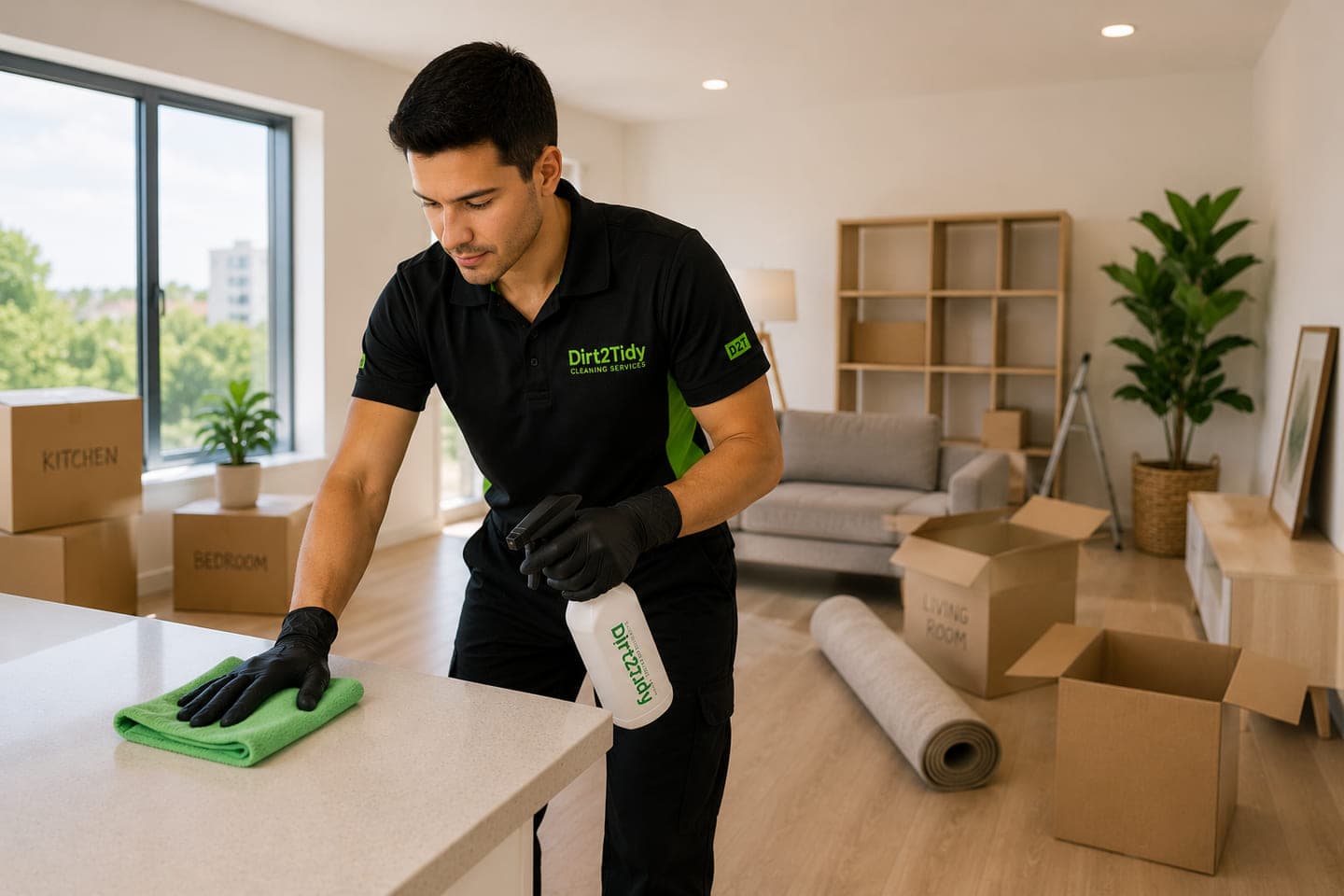
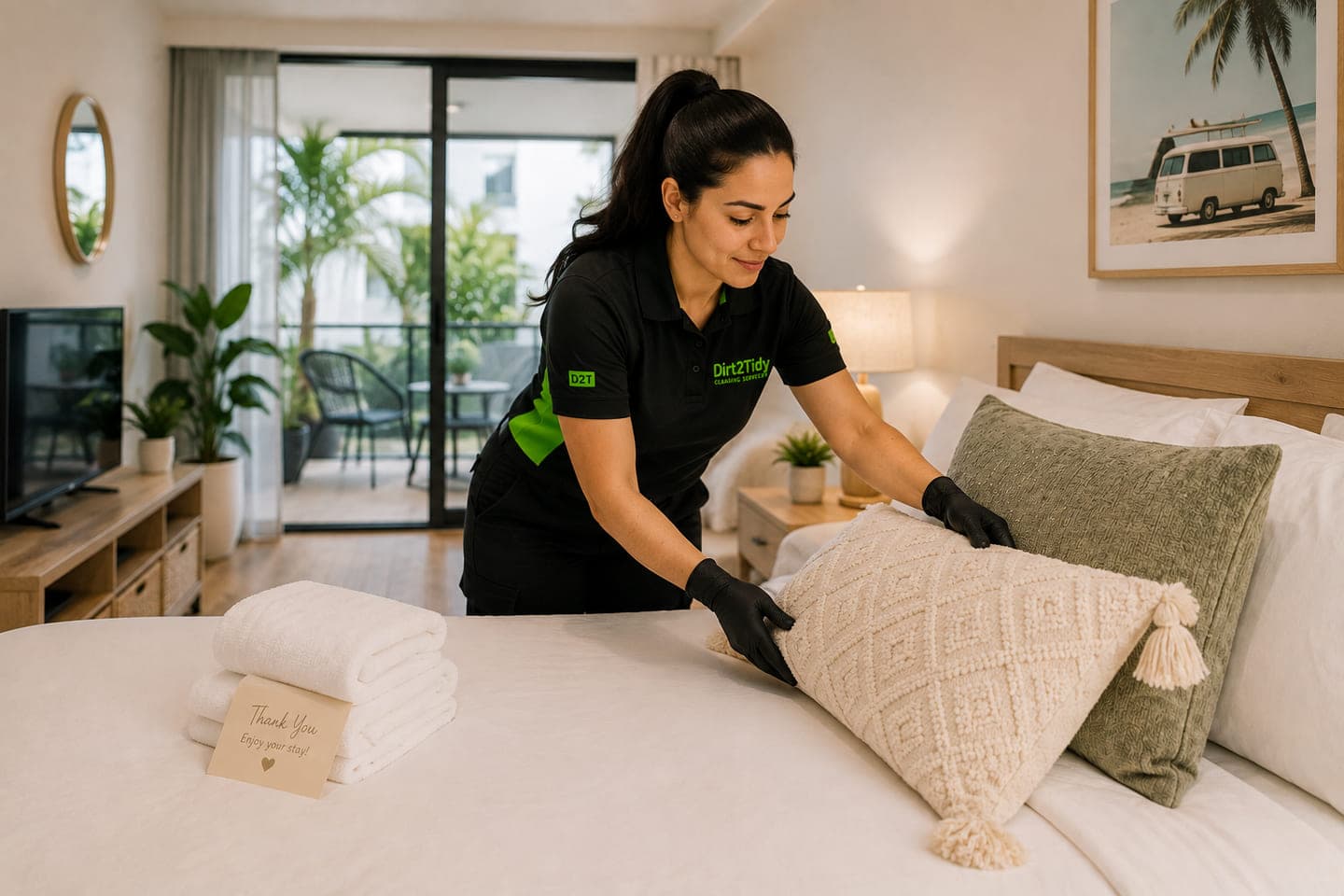
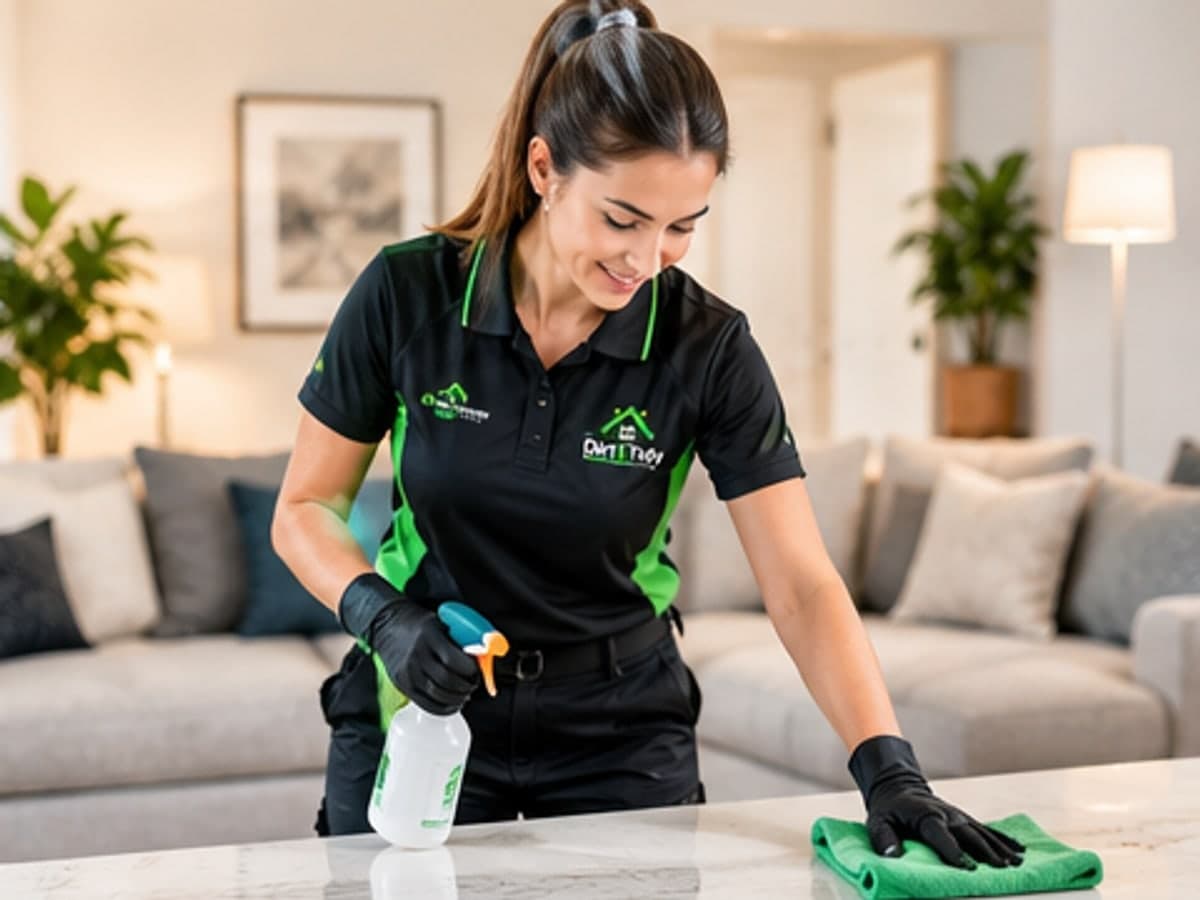
A regular visit may focus on agreed kitchens, bathrooms, living areas, bedrooms, reachable surfaces, floors, dust, rubbish and routine touchpoints. The exact inclusions depend on the booking, property and condition. Carpet, upholstery, ovens, windows and specialist finishes should not be assumed to be included.
What makes a clean deep
Deep cleaning can add accumulated residue, neglected edges, reachable detail work, cabinet exteriors, vents, appliance exteriors and a larger room-by-room reset. Scope still needs to be defined, and heavy soil, access limits, furniture, carpet and optional appliances may require extra time or separate services.

Use materials and safety to set the method
Check care instructions for stone, timber, paint, carpet, upholstery and appliances. Use compatible products, spot-test unfamiliar methods, limit moisture and allow safe drying. Never mix chemicals, use unsafe height access or treat leaks, pests, mould-like growth and hazardous waste as ordinary cleaning.
Choose the scope from the property
Tell the provider the rooms, condition, occupants, pets, access, priority areas and requested extras. Dirt2Tidy can quote domestic or deep cleaning from that information, while repairs, restoration, pest work, water damage and specialist remediation require the appropriate provider.