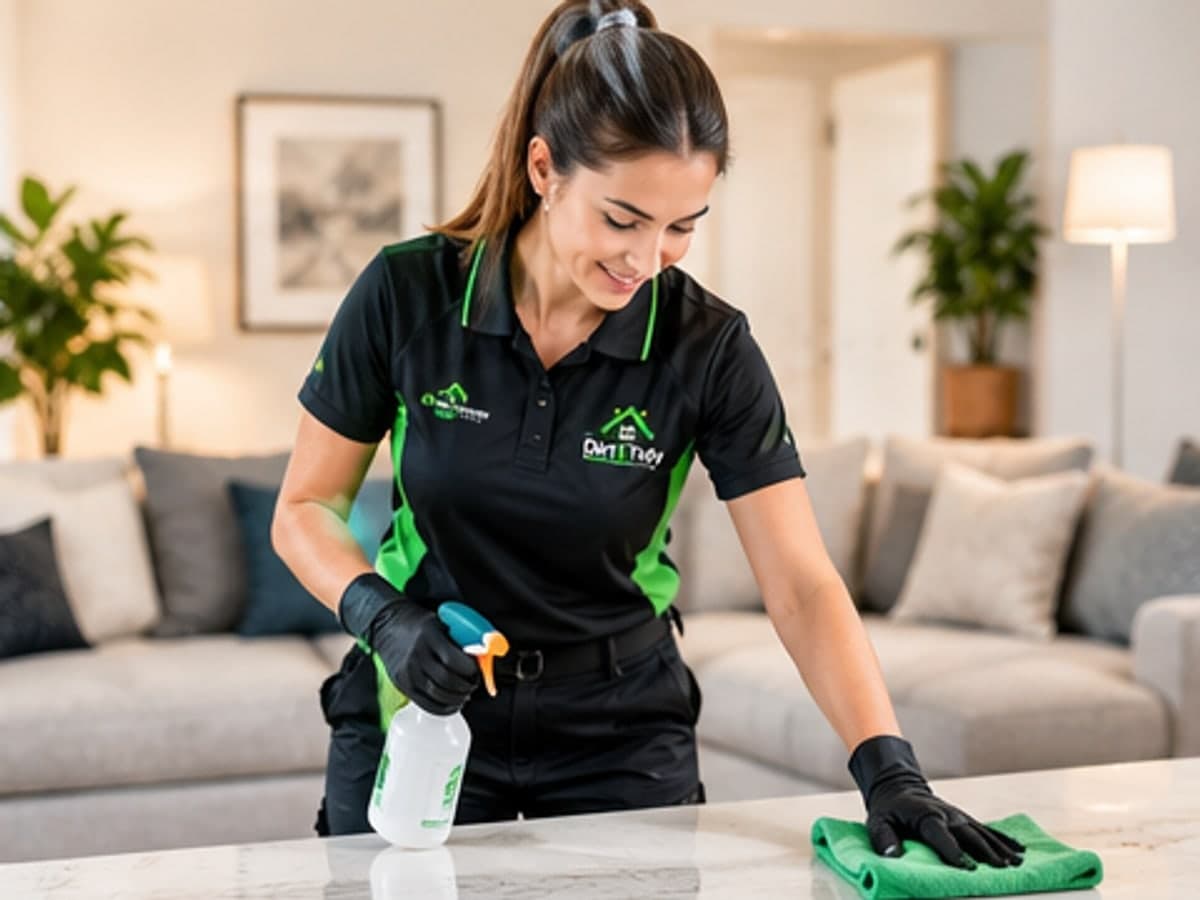
Choose a small, specific starting point
Pick one manageable area and decide what 'finished for today' means before you begin. Set aside items that belong elsewhere, collect rubbish and keep walkways clear. If sorting becomes tiring or overwhelming, pause and return later rather than forcing a large clean-out.
Sort items without rushing decisions
Use simple groups such as keep, relocate, donate and dispose, but check local rules and the receiving organisation's requirements before donating or discarding items. Keep personal documents, medications, batteries, chemicals and valuables secure and separate from ordinary rubbish.
Clean after surfaces are accessible
Once an area is cleared, dust and wipe surfaces with products suitable for the material, then vacuum or sweep the accessible floor. Avoid mixing products, follow labels and care instructions, and leave heavy lifting, electrical work, pest activity or hazardous materials to appropriate help.
Make the routine fit your household
Use storage that matches how items are used and leave enough space to access them safely. A short weekly reset can help maintain an area, but there is no required schedule. If the amount of clutter affects safe access, consider asking a trusted person or an appropriate specialist for support.
When cleaning support may help
A cleaning service can quote for agreed cleaning tasks in accessible areas, but decluttering, sorting, moving possessions and disposal are separate unless explicitly confirmed. Share the property condition and requested scope before booking.