Overview
Keeping a workplace clean is no longer just about appearance. For Australian businesses, maintaining high cleaning standards is essential for protecting employee health, creating positive customer experiences, complying with workplace expectations, and improving long-term productivity.
Whether you manage an office, retail store, warehouse, healthcare facility, or commercial building, following recognised cleaning standards helps reduce health risks while presenting a professional image. As businesses across Sydney, Melbourne, and Perth continue to prioritise workplace wellbeing, professional cleaning has become a key part of daily operations rather than an occasional service.
This guide explains the essential cleaning standards Australian businesses should follow and offers practical tips to maintain a healthier, safer workplace.
Why Cleaning Standards Matter for Australian Businesses
A clean business environment delivers benefits far beyond visual appeal. It directly impacts employee wellbeing, customer trust, regulatory compliance, and operational efficiency.

Strong commercial cleaning standards help businesses:
Reduce the spread of bacteria and viruses Improve indoor air quality Lower employee sick leave Create a positive first impression Extend the lifespan of office furniture and flooring Meet workplace health and safety expectations Improve employee morale and productivity Whether your business welcomes customers every day or operates behind the scenes, cleanliness reflects your commitment to quality and professionalism.
Understand Australian Workplace Cleaning Expectations
Australian businesses should align their cleaning practices with workplace health and safety responsibilities. While cleaning requirements vary depending on industry, every workplace has a duty to provide employees and visitors with a safe and hygienic environment.

Key areas that require regular attention include:
Reception areas Workstations Meeting rooms Kitchens and lunchrooms Bathrooms High-touch surfaces Shared equipment Entry points Waste disposal areas Industries such as healthcare, childcare, hospitality, and food preparation require even stricter cleaning and sanitation procedures due to higher health risks. Regular cleaning schedules combined with documented procedures help businesses remain consistent throughout the year.
You may also like to read about- “Commercial Cleaning Tips and Tricks Every Business Owner Should Know”
Prioritise High-Touch Surface Cleaning
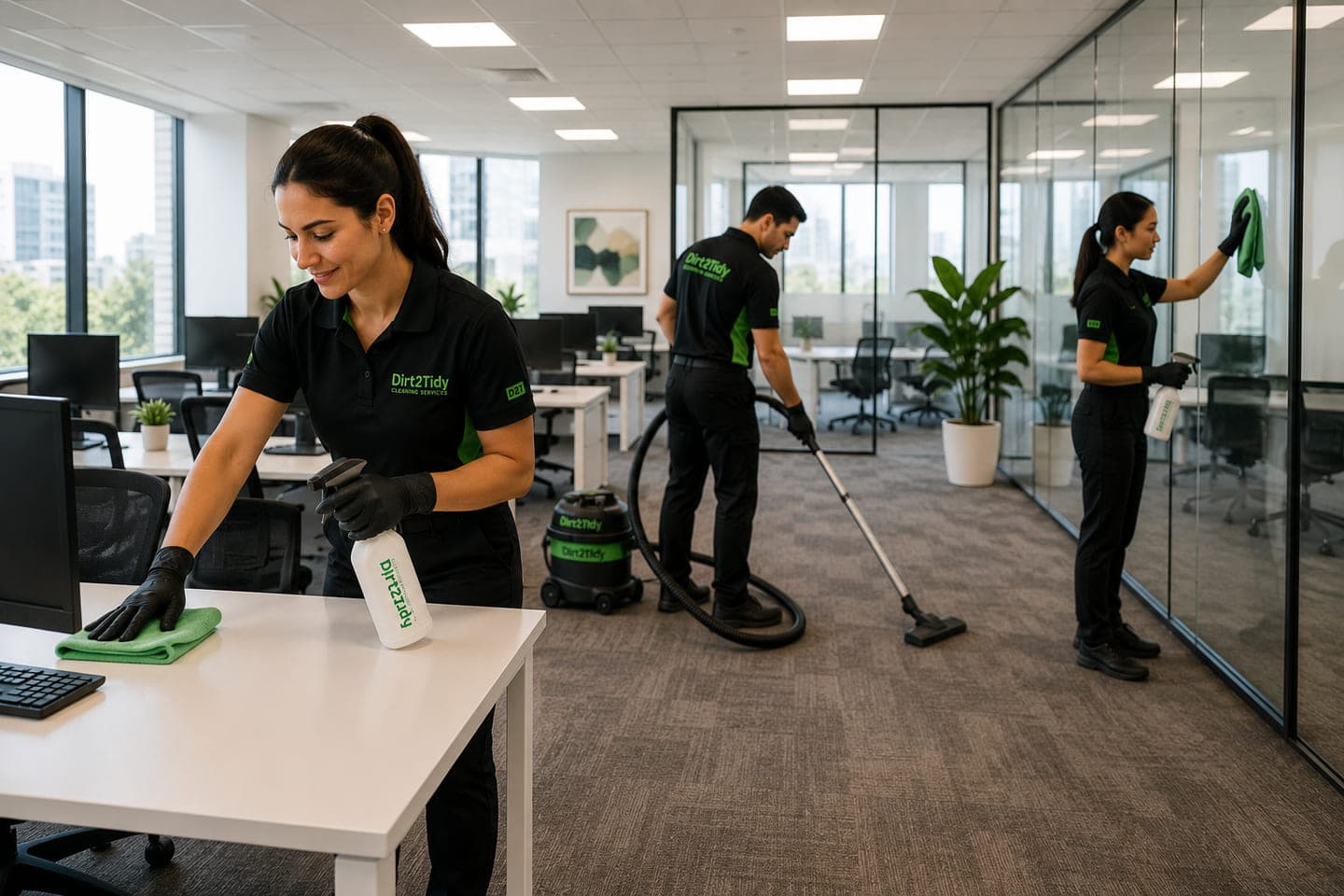
One of the most important commercial cleaning standards is disinfecting frequently touched surfaces. Throughout the day, hundreds of hands come into contact with shared objects. Without proper cleaning, germs can spread rapidly across the workplace, making infection prevention and control an essential part of maintaining a safe and healthy work environment.
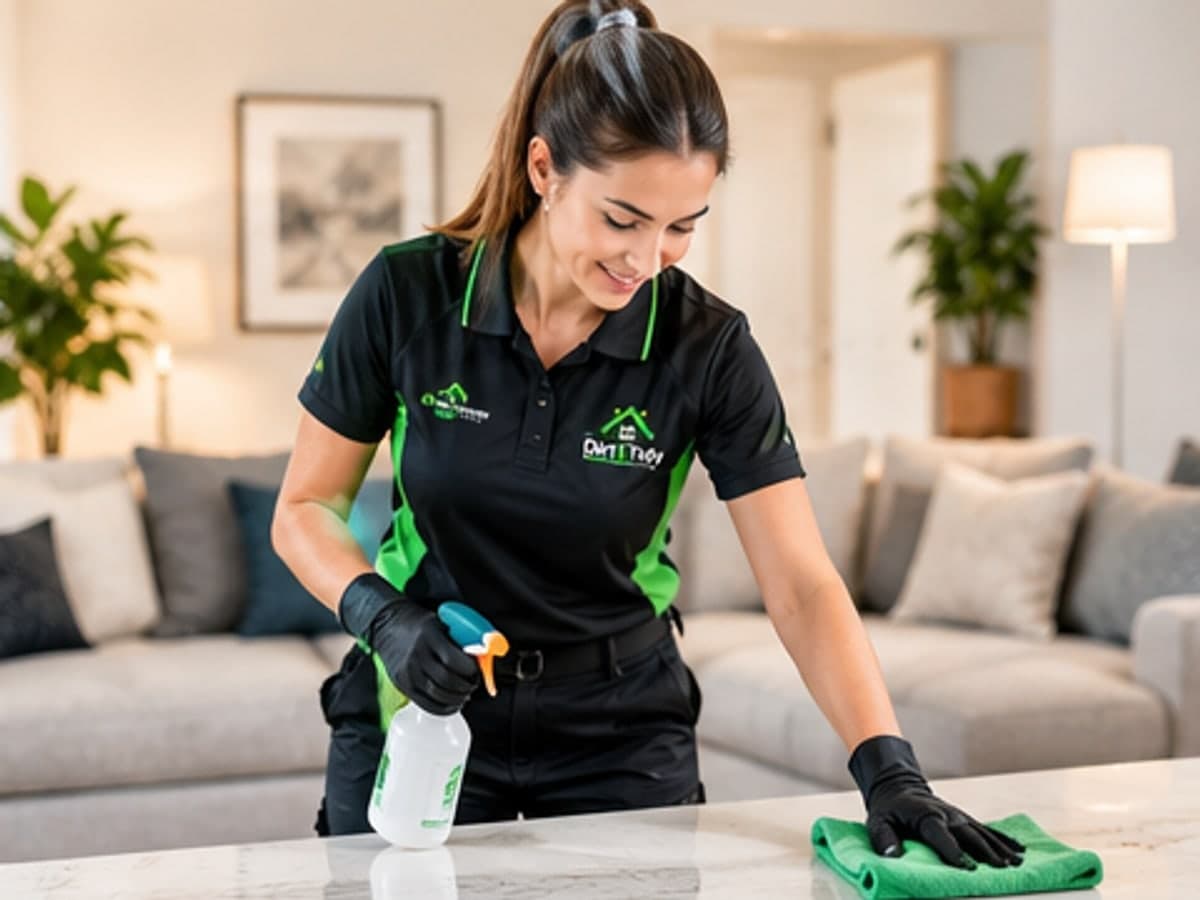
Door handles Lift buttons Reception counters Light switches Keyboards Computer mice Shared phones Printer controls Meeting room tables Handrails These surfaces should be cleaned and disinfected multiple times throughout the day, especially during busy periods or flu season. Using approved disinfectants with appropriate contact times ensures bacteria and viruses are effectively removed.
Maintain Safe and Hygienic Workplace Facilities
Cleaning standards extend beyond desks and floors. Shared facilities require structured cleaning routines to maintain hygiene and prevent unpleasant odours.
Kitchens and break rooms
These spaces often accumulate food residue, grease, and bacteria.
Daily cleaning should include:
Benchtops Microwaves Refrigerators Coffee machines Sink areas Dining tables Appliance handles Encouraging employees to clean up after themselves also supports overall hygiene.
Bathrooms
Washrooms require frequent cleaning throughout the day.
Essential tasks include:
Sanitising toilets Cleaning sinks Disinfecting taps Refilling soap dispensers Replacing paper towels Emptying bins Mopping floors Clean bathrooms improve employee satisfaction while helping businesses maintain health standards.
Follow Best Practices for Floor Cleaning
Floors are one of the largest surfaces in any workplace and, under cleaning standards australian businesses should follow, must be kept free of dirt, dust, moisture, and allergens. Different flooring materials require different cleaning methods.
Carpeted areas
Regular vacuuming removes dust, allergens, and debris. Deep carpet cleaning should be scheduled periodically to remove embedded dirt and stains while improving indoor air quality.
Hard surfaces require:
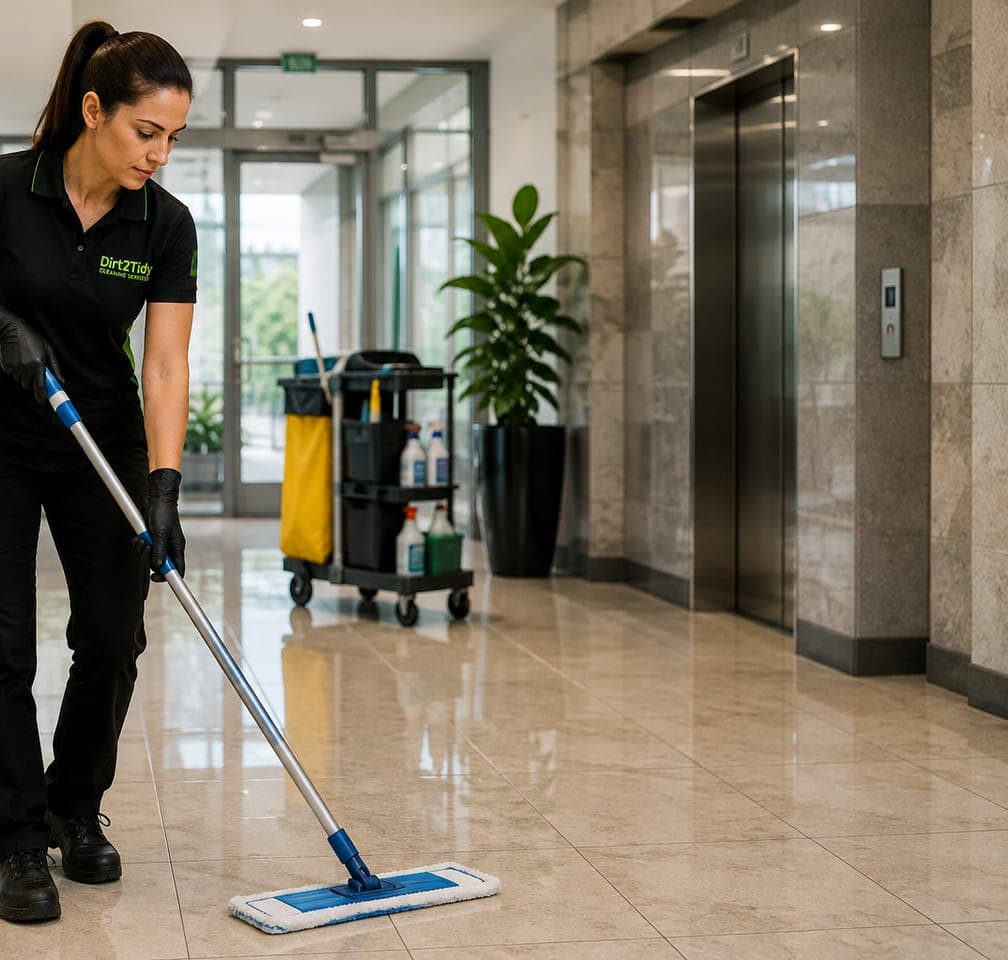
Sweeping Vacuuming Damp mopping Spot cleaning Polishing where required Using the wrong chemicals can damage flooring, so cleaning products should always match the surface type. Keeping floors dry also reduces slip hazards and workplace injuries. You may also like to read about- “Common Mistakes to Avoid When Hiring Commercial Cleaning Services”
Implement Proper Waste Management Standards
Effective waste management is a vital part of workplace hygiene. Overflowing bins not only look unprofessional but also attract pests and create unpleasant smells.
Businesses should:
Empty rubbish bins daily Separate recyclable materials Dispose of food waste promptly Clean waste bins regularly Use liners to minimise contamination Hazardous waste should always be handled according to industry regulations. A structured waste management system supports both cleanliness and environmental sustainability.
Improve Indoor Air Quality Through Regular Cleaning
Many businesses overlook indoor air quality when planning cleaning schedules. Dust, pollen, mould spores, and airborne particles can negatively affect employee health and concentration. Improving air quality involves more than opening windows.
Recommended cleaning practices include:
Dusting surfaces regularly Vacuuming with HEPA-filter equipment Cleaning air vents Removing mould promptly Maintaining air conditioning filters Cleaning upholstery and soft furnishings Cleaner indoor air creates a healthier working environment and may reduce allergy-related symptoms.
Create a Consistent Commercial Cleaning Schedule
Consistency is one of the biggest differences between average workplaces and exceptionally clean businesses. Rather than cleaning only when areas appear dirty, businesses should follow scheduled maintenance plans.
Daily tasks
Empty bins Vacuum high-traffic areas Wipe desks Sanitize bathrooms Clean kitchen surfaces Disinfect high-touch points
Weekly tasks
Deep clean meeting rooms Dust vents Clean windows Mop hard floors thoroughly Polish surfaces
Monthly tasks
Carpet steam cleaning Upholstery cleaning High-level dusting Floor polishing Deep kitchen sanitation Having written cleaning checklists helps ensure no area is overlooked.
Choose Professional Commercial Cleaning Services
Many businesses rely on employees to handle workplace cleaning. While basic tidying helps, professional commercial cleaning provides a much higher standard.
Experienced cleaners use:
Commercial-grade equipment Industry-approved disinfectants Safe cleaning procedures Structured quality control systems Tailored cleaning schedules Professional services also save employees valuable time, allowing them to focus on their primary responsibilities. For businesses looking to maintain consistent workplace hygiene, partnering with an experienced provider like Dirt2Tidy Cleaning Services can help maintain professional cleaning standards throughout the year.
Professional cleaning teams provide:
Detailed cleaning checklists Regular quality inspections Eco-friendly cleaning options Flexible scheduling Industry-specific cleaning expertise Compliance-focused cleaning practices This ensures businesses receive reliable, measurable cleaning outcomes instead of inconsistent results.
Common Cleaning Mistakes Businesses Should Avoid
Many workplaces unintentionally reduce cleaning effectiveness through simple mistakes.
These include:
Using incorrect cleaning chemicals Skipping high-touch surfaces Ignoring ventilation systems Reusing dirty cleaning cloths Delaying spill clean-up Forgetting behind furniture and equipment Cleaning without a documented schedule Correcting these issues significantly improves workplace hygiene.
Build a Workplace Culture That Supports Cleanliness
Professional cleaners play an important role, but employees also contribute to maintaining workplace standards.
Businesses can encourage better habits by:
Keeping workstations organised Cleaning shared equipment after use Reporting spills immediately Washing hands regularly Keeping kitchens tidy Following workplace hygiene policies A shared commitment to cleanliness creates healthier workplaces for everyone.
Conclusion
Maintaining essential cleaning standards is one of the smartest investments an Australian business can make. Clean workplaces improve employee wellbeing, reduce health risks, enhance customer confidence, and help businesses maintain professional standards every day.
Whether operating a corporate office in Sydney, a retail business in Melbourne, or a commercial facility in Perth, following structured cleaning practices delivers long-term benefits for staff, customers, and business performance. Working with experienced professionals such as Dirt2Tidy Cleaning Services ensures cleaning remains consistent, thorough, and aligned with workplace expectations.
By combining professional expertise with everyday hygiene habits, businesses can create safer, healthier, and more productive environments.
Frequently Asked Questions
Commercial cleaning standards are guidelines that help businesses maintain clean, safe, and hygienic workplaces through regular cleaning and disinfection. Most businesses benefit from daily or weekly cleaning, while high-traffic workplaces may require more frequent services. A clean workplace reduces germs, improves air quality, and creates a healthier environment where employees can work more efficiently.
High-touch surfaces like door handles, desks, keyboards, light switches, and shared kitchen and bathroom areas should be disinfected regularly. Yes. Professional cleaning helps reduce health risks, prevent accidents, and supports a safer working environment.