
How to Clean a Shower or Bathroom Safely

A bathroom clean should remove suitable soap residue, dust, hair and soil without damaging glass, stone, grout, fixtures or seals. Ventilation and chemical safety matter as much as appearance.

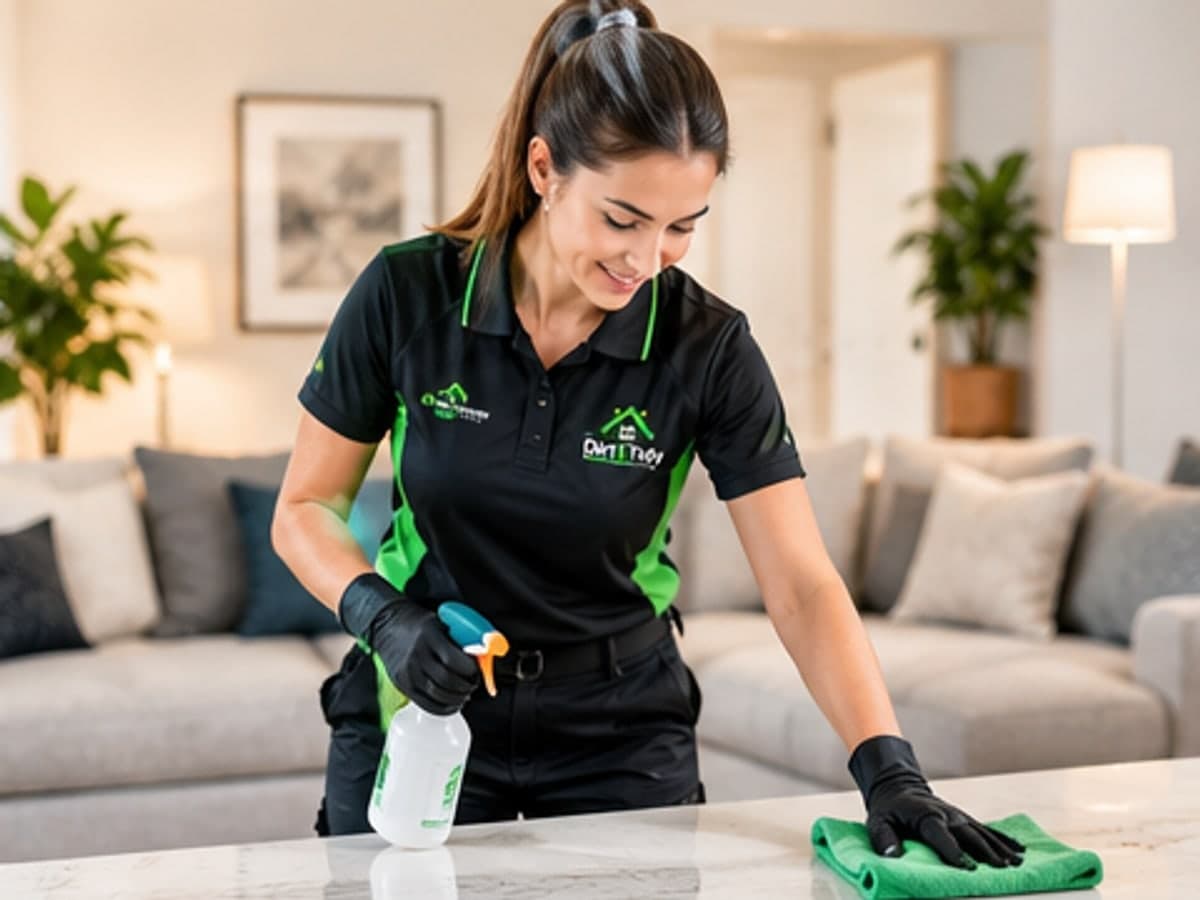
House cleaner tidying an Australian family home

Prepare the room

Remove loose items, open suitable ventilation and keep children and pets away. Wear gloves where appropriate and check whether the surface is porcelain, acrylic, glass, chrome, natural stone, painted material or sealed grout before choosing a product.

Clean from dry soil to wet residue

Remove hair and loose dust first, then clean mirrors, fixtures, basins, showers, baths, toilets and floors with compatible products. Use soft tools on suitable grout and rinse or wipe as directed. Keep water away from sockets, fans, unsealed joinery and electrical fittings.

Spring deep cleaning of an Australian household

Avoid chemical and material damage

Do not use acids on natural or engineered stone unless the manufacturer allows it, and never mix bleach with acids, ammonia or another cleaner. Avoid abrasive pads on glass, acrylic, chrome and polished finishes. Stop if a surface changes colour, becomes cloudy or shows etching.

Control moisture and odour

Dry suitable surfaces, keep ventilation working and investigate leaks, recurring dampness, sewage odour, pests or extensive mould-like growth through the correct specialist process. Dirt2Tidy can quote ordinary domestic or deep bathroom cleaning once the area is safe.

Detailed deep clean of an Australian home
Keep cleaning moving

Related Cleaning Services

More from Dirt2Tidy

Related Cleaning Guides

FAQ

FAQs

Everything about bookings, coverage and what to expect.

No. Acids can etch stone and damage some metals, grout, seals and finishes. Follow the manufacturer’s care instructions and test a compatible product first.

Never mix bleach with another product. Use one labelled cleaner according to its directions and seek urgent advice if chemicals have already been combined.

No. Cleaning can address suitable surface soil, but leaks, recurring dampness, extensive mould-like growth and structural issues need the appropriate property or specialist response.