
How to Keep a Clean House When Studying on a Scholarship

Balancing studies and chores on a scholarship? Discover simple, budget-friendly tips to keep your home clean without sacrificing study time.

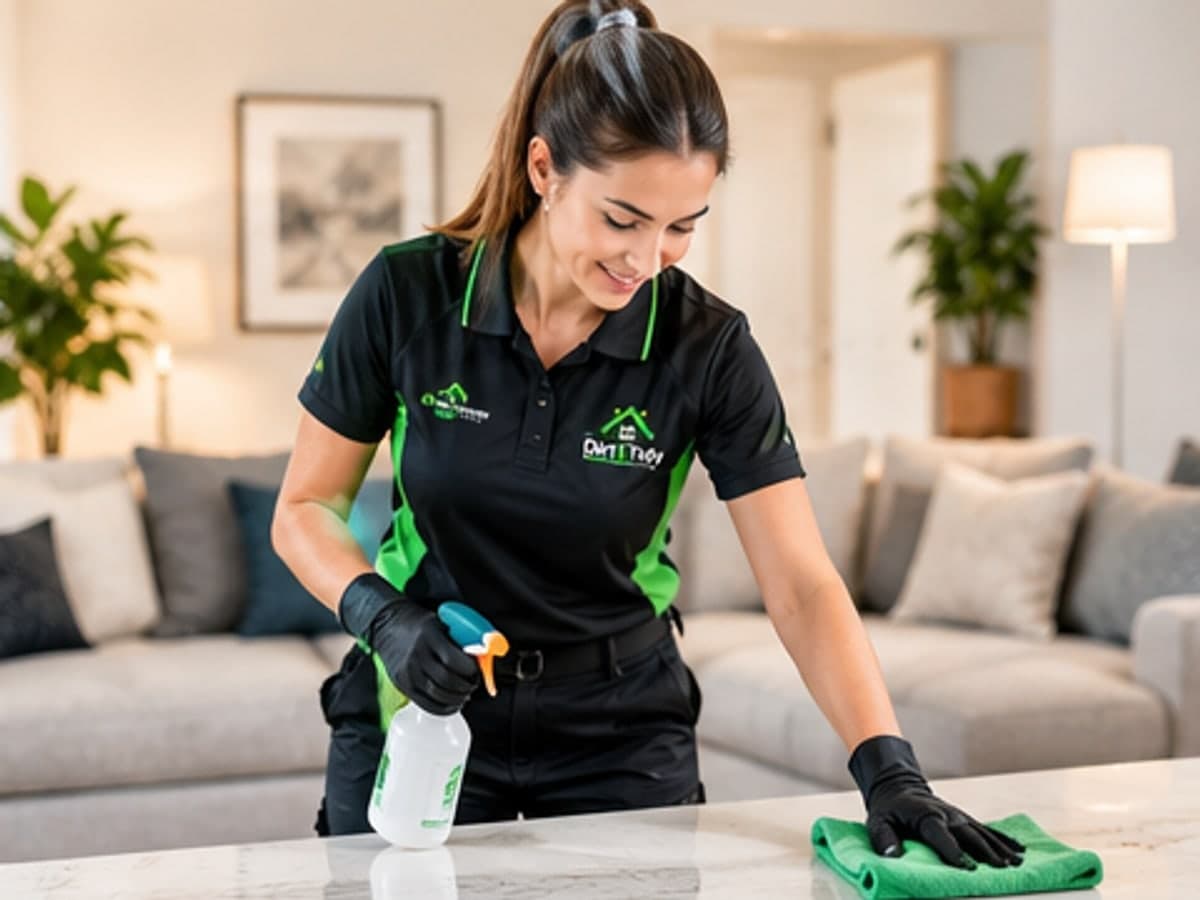
House cleaner tidying an Australian family home

Benefits of a Clean Living Space Time-Saving Cleaning Hacks Incorporating Cleaning into Your Study Breaks Budget-Friendly Cleaning Solutions Maintaining a Clean Study Space Studying on a scholarship is both an exciting and demanding experience. With academic expectations high, balancing studies with personal responsibilities such as keeping a clean home can be challenging.

Many students find themselves overwhelmed by assignments, deadlines, and coursework, leaving little time for housekeeping. However, maintaining a clean living space is essential for productivity, mental well-being, and overall quality of life. A cluttered or messy home can be distracting, leading to stress and reduced concentration.

On the other hand, a well-organized and tidy environment fosters discipline and enhances efficiency. The key to balancing academics and housework is developing a structured cleaning routine that works with your study schedule. This article will provide practical strategies to keep your house clean while managing your studies effectively.

From creating a realistic cleaning schedule to utilizing time-saving cleaning hacks, these tips will help you maintain a tidy home without compromising your academic performance. A clean home does more than just look nice it significantly influences your mental clarity, academic performance, and overall well-being.

When your living space is organized, you are more likely to stay focused and productive, making it easier to complete assignments and prepare for exams. For instance, imagine trying to write my assignment by WritePaper while surrounded by piles of laundry, dirty dishes, and scattered papers.

The clutter would not only be distracting but could also increase stress levels, making it harder to concentrate. Research has shown that a tidy environment helps reduce anxiety and promotes better cognitive function, which is crucial for students juggling coursework and household chores. Moreover, cleanliness impacts physical health.

A dirty home can harbor dust, mold, and bacteria, which may lead to allergies or illnesses. Keeping your space clean minimizes these health risks, allowing you to stay healthy and fully engaged in your studies.

By understanding these benefits, students can see cleaning not as a tedious task but as an investment in their academic success and well-being.

You may also like to read about- “The Lazy Student’s Guide to a Clean Dorm Room” Creating a Realistic Cleaning Schedule One of the biggest obstacles students face when it comes to house cleaning is finding the time.

Between attending lectures, studying for exams, and working on assignments, it might seem impossible to keep up with household chores. The solution lies in creating a realistic cleaning schedule that aligns with your study routine. Here’s how to set up an effective cleaning plan: Daily Tasks Small daily tasks prevent messes from accumulating.

These can include making your bed, wiping down surfaces, washing dishes, and taking out the trash. Spending just 10-15 minutes a day on these tasks can keep your space consistently tidy. Weekly Tasks Dedicate time once a week for slightly bigger tasks, such as vacuuming, cleaning the bathroom, or doing laundry.

You can schedule these for weekends or less busy study days. Monthly Tasks Deep cleaning tasks, such as organizing closets, dusting shelves, or scrubbing floors, can be done once a month. Using a planner or a cleaning app can help track these tasks and ensure they become part of your routine.

Additionally, setting reminders will make it easier to stick to the schedule. Prioritizing Cleaning Tasks

Not all cleaning tasks require equal attention. When time is limited, it’s important to prioritize tasks that have the greatest impact on your space and well-being. Kitchen: Since food preparation takes place here, keeping the kitchen clean is crucial for hygiene. Wash dishes immediately after meals, wipe down counters, and take out the trash regularly.

Bathroom: A clean bathroom prevents the spread of germs. Wipe down surfaces, clean the toilet, and replace towels frequently. Study Area: A clutter-free workspace boosts concentration and efficiency. Organize study materials, remove unnecessary items, and keep your desk dust-free.

Bedroom: Since this is where you rest and recharge, keeping your bedroom tidy can improve sleep quality. Make your bed every morning and keep clothes properly stored. If you have limited time, focus on these high-priority areas first before tackling less urgent tasks. For students with busy schedules, cleaning efficiently is essential.

Instead of spending hours tidying up, use smart cleaning hacks to keep your home neat without sacrificing study time. The 10-Minute Cleanup: Set a timer for 10 minutes and clean as much as possible. This method prevents clutter from piling up and makes cleaning feel more manageable.

Multitasking Cleaning: Listen to recorded lectures or educational podcasts while doing household chores. This way, you stay productive both academically and domestically. Clean as You Go: Rather than letting messes build up, clean small things immediately.

For example, wash dishes right after eating, wipe spills as they happen, and put things back in their place after use. Use Storage Bins and Organizers: Keeping items in designated storage bins makes cleaning faster and prevents clutter. Label bins for study materials, clothes, and miscellaneous items.

Invest in Easy-to-Use Cleaning Tools: Microfiber cloths, disinfectant wipes, and handheld vacuums can make quick cleaning tasks more convenient. By incorporating these hacks, students can maintain a clean home with minimal effort, ensuring that their focus remains on their studies.

Decluttering and Minimalism Keeping a home clean is much easier when there are fewer items to manage. Decluttering helps reduce mess, creates more space, and makes cleaning quicker. Instead of constantly tidying up unnecessary items, students can focus on maintaining a neat and organized environment.

A good starting point is sorting through belongings and separating them into three categories: keep, donate, or discard. If something hasn’t been used in six months and doesn’t serve a clear purpose, it’s probably not essential. This applies to clothing, study materials, kitchen items, and decorations.

Minimalism doesn’t mean getting rid of everything, but rather keeping only what is necessary and valuable. Regularly reassessing possessions, such as at the beginning or end of each semester, can prevent clutter from accumulating. A minimalist approach makes cleaning less overwhelming and helps maintain a peaceful, organized living space.

You may also like to read about- “Why Busy Professionals Need Professional Cleaning” Students often struggle to find dedicated time for cleaning due to busy schedules. A practical way to maintain cleanliness without sacrificing study time is to integrate small cleaning tasks into study breaks.

For instance, short five- or ten-minute breaks between study sessions can be used to tidy up a workspace, wipe down surfaces, or put away scattered items. Longer breaks, such as those between classes or meals, can be used for quick tasks like sweeping the floor, taking out the trash, or organizing bookshelves.

The Pomodoro Technique, which involves working in focused intervals followed by short breaks, is useful for this approach. Instead of spending a break scrolling through social media, students can use it to complete a simple cleaning task. This method ensures that cleaning happens gradually throughout the day without feeling like a burden.

Sharing Responsibilities in Shared Spaces Students who live with roommates need a cooperative approach to cleanliness. Without clear communication, shared spaces such as kitchens, bathrooms, and living areas can easily become messy. Establishing cleaning responsibilities helps maintain order and prevents conflicts.

One effective solution is to create a cleaning schedule that assigns specific tasks to each person. This could include rotating duties such as dishwashing, taking out the trash, or sweeping common areas. A whiteboard, shared digital calendar, or written checklist can help ensure that tasks are completed fairly.

Spring deep cleaning of an Australian household

Practical next steps for Clean Home While Studying

Customers searching for clean home while studying usually need a clear answer before they book. This page focuses on home and property cleaning, including what to prepare, what the cleaning scope should cover and which details affect the final visit.
  • Share the property type, size, condition and access information before requesting a quote.
  • Identify priority rooms, surfaces, stains, pets, furniture and any inspection or handover date.
  • Separate cleaning from repairs, pest treatment, plumbing, electrical or restoration work.
  • Confirm inclusions, exclusions and optional services before the appointment.
Use the related service pages for the detailed scope: Domestic Cleaning and Deep Cleaning Services. The team can confirm the right scope before work begins.
Keep cleaning moving

Related Cleaning Services

More from Dirt2Tidy

Related Cleaning Guides

FAQ

FAQs

Everything about bookings, coverage and what to expect.

Clear loose belongings, confirm access and share the property size, condition, timing and priority areas so the scope is accurate.

Yes. Provide the property details and the work you need, then confirm inclusions and any extras before booking.