
Going Green: The Best Eco-Friendly Cleaning Practices for Your Home

Discover best eco-friendly cleaning practices to reduce your environmental impact and create a healthier home.Learn sustainable habits for green cleaning.

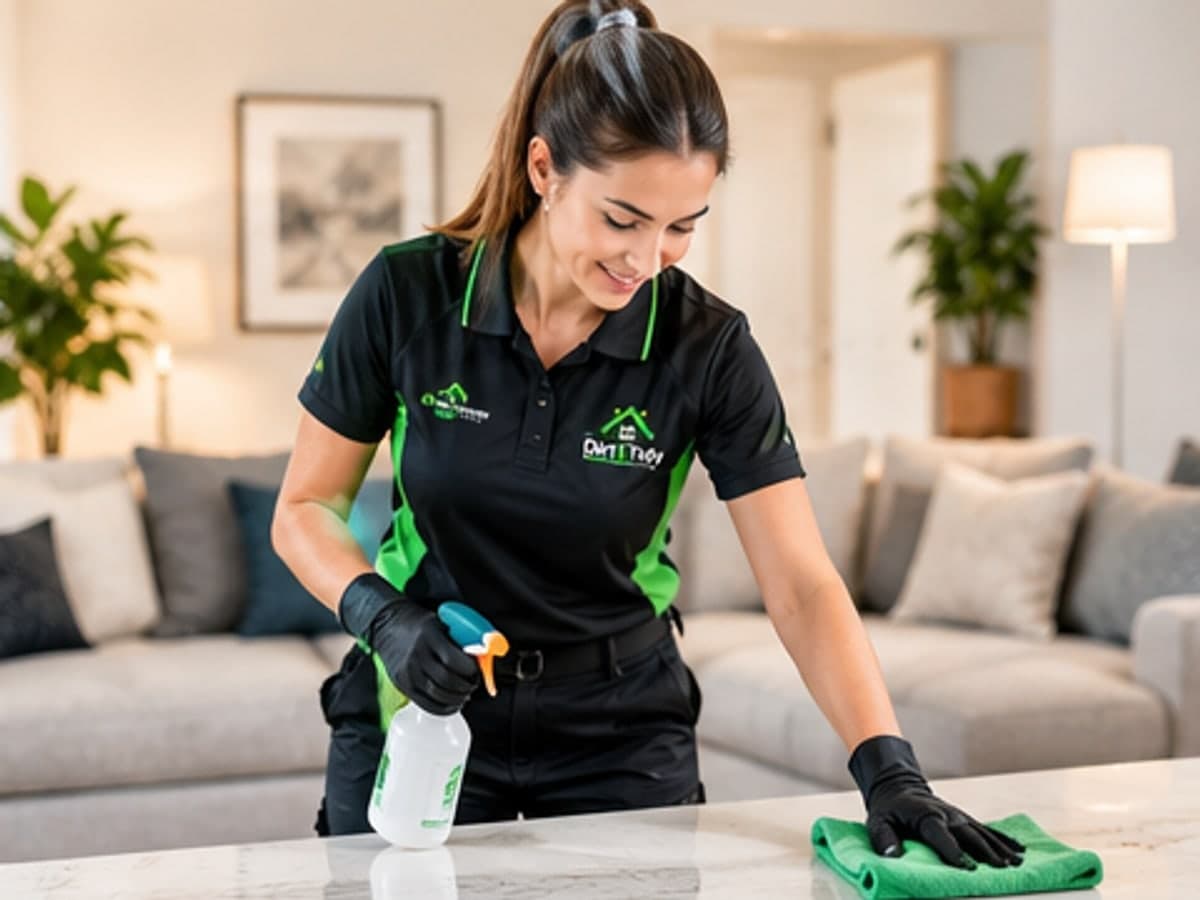
House cleaner tidying an Australian family home

Choose Eco-Friendly Cleaning Products Make Your Own Natural Cleaners Ventilate Your Home Naturally Opt for Green Laundry Practices Prevent Mold and Mildew Naturally Support Sustainable Cleaning Tools Educate and Involve Your Family As environmental concerns become increasingly important, many people are seeking ways to reduce their ecological footprint, even in their cleaning routines.

Eco-friendly cleaning practices not only help protect the environment but also create a safer, healthier home by minimizing exposure to harmful chemicals. By adopting green cleaning methods, you can maintain a clean and fresh home while also contributing to the well-being of the planet.

This guide will explore the best eco-friendly cleaning practices for your home, offering practical tips and natural alternatives to traditional cleaning products. Opt for Non-Toxic and Biodegradable Products The first step toward greener cleaning is to choose products that are environmentally friendly.

Many conventional cleaning products contain harsh chemicals that can harm both your health and the environment. Instead, look for cleaning products labeled as non-toxic, biodegradable, and free from harmful ingredients such as phosphates, chlorine, and synthetic fragrances. Read Labels Carefully: When shopping for cleaning products, read the labels to ensure they meet eco-friendly standards.

Look for certifications such as EPA’s Safer Choice, Green Seal, or EcoLogo, which indicate that the product has been tested for safety and environmental impact. Support Green Brands: Many companies are committed to producing environmentally responsible cleaning products. Supporting these brands encourages more sustainable practices in the industry.

Simple and Effective DIY Solutions Making your own cleaning solutions is not only eco-friendly but also cost-effective. Many common household ingredients, such as vinegar, baking soda, and lemon juice, are excellent for cleaning and disinfecting without the need for harsh chemicals. All-Purpose Cleaner: Mix equal parts white vinegar and water in a spray bottle.

Add a few drops of your favorite essential oil for fragrance. This solution is great for cleaning countertops, sinks, and other surfaces. Glass Cleaner: Combine 1 cup of water, 1 cup of white vinegar, and 1 tablespoon of cornstarch in a spray bottle.

Shake well and use it to clean windows and mirrors for a streak-free shine. Scrubbing Paste: Make a paste with baking soda and water to clean sinks, tubs, and stovetops. For tougher stains, add a few drops of lemon juice or hydrogen peroxide.

Reduce Waste and Chemical Use Microfiber cloths are highly effective at trapping dust, dirt, and bacteria, often eliminating the need for chemical cleaners. They are reusable, washable, and can last for years, making them a sustainable choice for cleaning .

Dry Dusting: Use dry microfiber cloths to dust surfaces without the need for sprays or polishes. The tiny fibers in the cloths attract and hold dust particles, leaving surfaces clean and shiny. Wet Cleaning: For surfaces that need a bit more scrubbing power, dampen a microfiber cloth with water or a natural cleaner.

The cloths are gentle on surfaces and won’t leave streaks or lint behind. You may also like to read about- “Green Clean : Eco – Friendly Options in Domestic Cleaning Services” Minimize Waste in Your Cleaning Routine Adopting a “reduce, reuse, recycle” mindset can help you minimize waste in your cleaning routine.

By using fewer disposable products and finding ways to repurpose and recycle, you can significantly reduce your environmental impact. Ditch Disposable Wipes: Replace disposable cleaning wipes with reusable cloths or rags. Wash them after each use to keep them fresh and ready for the next cleaning session.

Reuse Old Towels and T-Shirts: Cut up old towels, t-shirts, or other fabric scraps to use as cleaning rags. This is a great way to repurpose items that might otherwise end up in the landfill. Recycle Packaging: Make sure to recycle the packaging from your cleaning products, such as plastic bottles and cardboard boxes.

Many cleaning product containers are recyclable—just check your local recycling guidelines. Use Water Wisely While Cleaning Water conservation is an important aspect of eco-friendly cleaning. Reducing the amount of water you use while cleaning helps protect this vital resource and minimizes your overall environmental impact.

Spot Clean: Instead of using large amounts of water to clean entire surfaces, spot clean areas that need attention. This method is particularly useful for floors, walls, and upholstery. Use a Bucket: When mopping floors or washing surfaces, use a bucket to limit the amount of water you use.

Avoid running the tap continuously, and try to reuse the water for other cleaning tasks when possible. Fix Leaks: Ensure that all faucets and fixtures in your home are free from leaks. A dripping tap can waste a significant amount of water over time.

You may also like to read about- “Why Hiring a Domestic Cleaning Service is the Best Decision You’ll Ever Make” Improve Air Quality Without Chemicals Many conventional air fresheners and cleaning products release volatile organic compounds (VOCs) into the air , which can contribute to indoor air pollution.

Instead of using synthetic air fresheners, opt for natural ventilation and other eco-friendly methods to keep your home smelling fresh. Open Windows: Allow fresh air to circulate through your home by opening windows and doors regularly. This helps remove stale air, reduce humidity, and eliminate odors naturally.

Houseplants: Introduce indoor plants that naturally purify the air, such as aloe vera, snake plants, and spider plants. These plants absorb toxins and release oxygen, improving indoor air quality. Essential Oils: Use an essential oil diffuser to add a pleasant scent to your home without the use of synthetic chemicals.

Choose essential oils like lavender, eucalyptus, or lemon for their natural antibacterial properties.

Spring deep cleaning of an Australian household

Practical next steps for Best Eco Friendly Cleaning

Customers searching for best eco friendly cleaning usually need a clear answer before they book. This page focuses on home and property cleaning, including what to prepare, what the cleaning scope should cover and which details affect the final visit.
  • Share the property type, size, condition and access information before requesting a quote.
  • Identify priority rooms, surfaces, stains, pets, furniture and any inspection or handover date.
  • Separate cleaning from repairs, pest treatment, plumbing, electrical or restoration work.
  • Confirm inclusions, exclusions and optional services before the appointment.
Use the related service pages for the detailed scope: Domestic Cleaning and Deep Cleaning Services. The team can confirm the right scope before work begins.
Keep cleaning moving

Related Cleaning Services

More from Dirt2Tidy

Related Cleaning Guides

FAQ

FAQs

Everything about bookings, coverage and what to expect.

Clear loose belongings, confirm access and share the property size, condition, timing and priority areas so the scope is accurate.

Yes. Provide the property details and the work you need, then confirm inclusions and any extras before booking.