Start with bedding and soft furnishings
Follow care labels for sheets, pillowcases, mattress protectors and washable soft toys. Include the bed frame, bedside surfaces and accessible upholstery in a practical cleaning plan. Healthdirect’s dust-mite guide discusses bedding and bedroom exposure; use its health advice for allergy management rather than treating cleaning as a medical intervention.
Dust and vacuum without making health promises
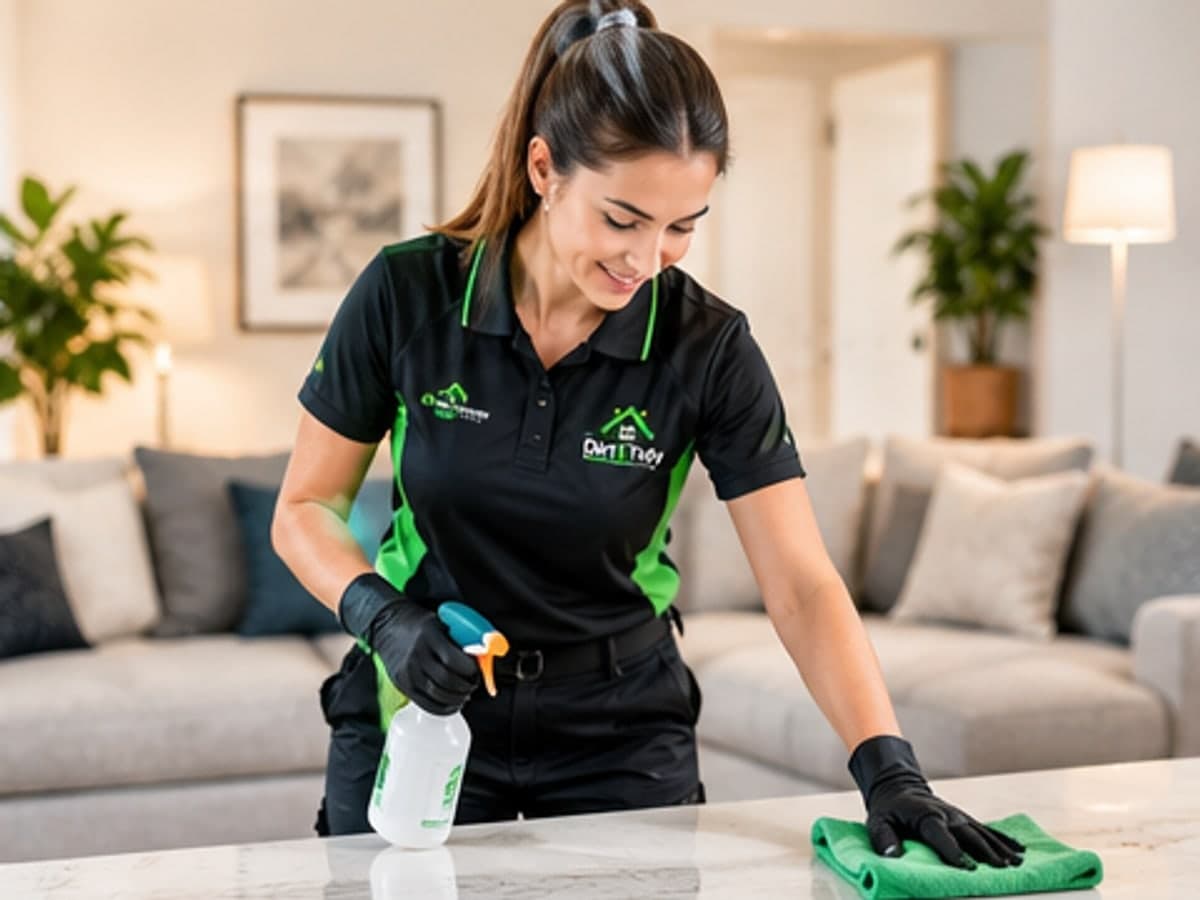
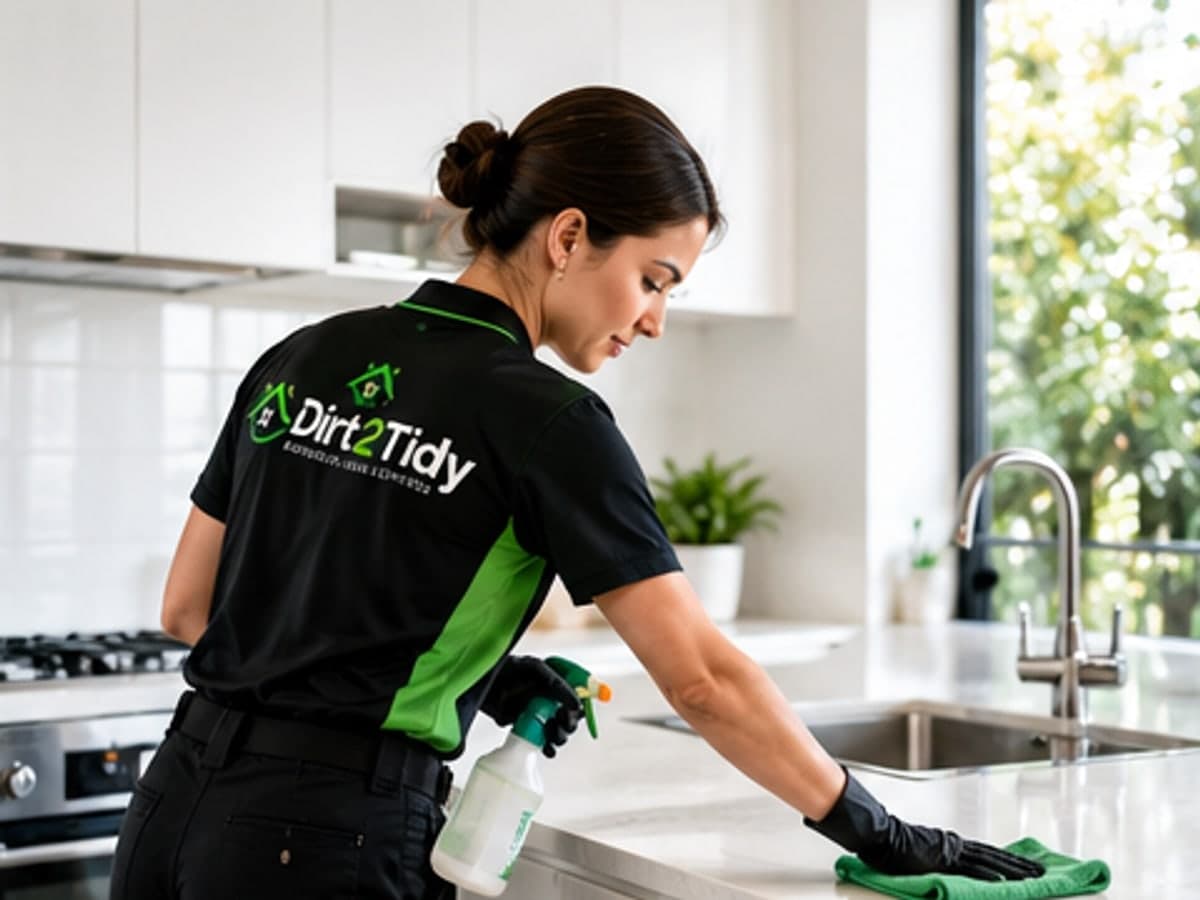
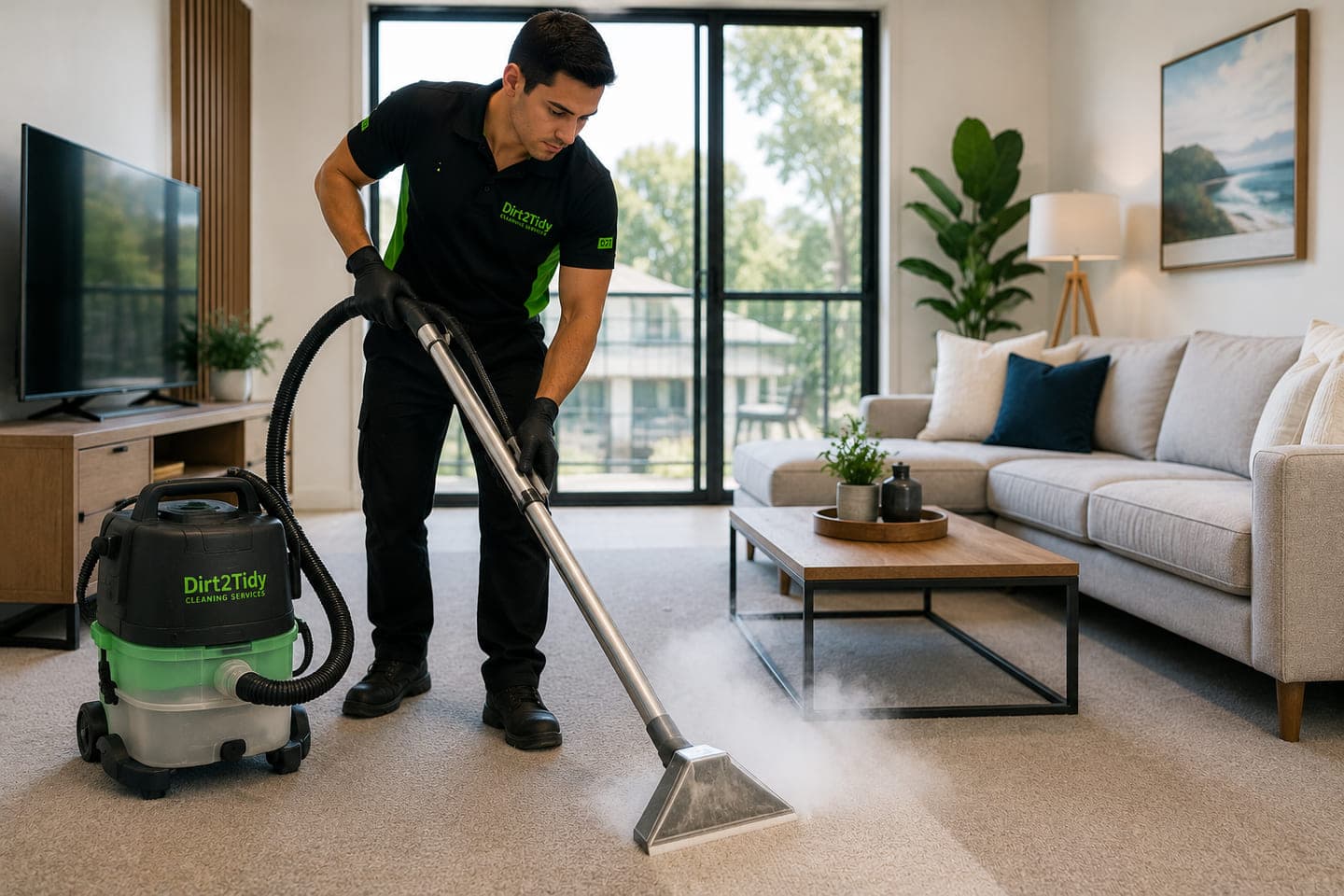
Dust reachable hard surfaces with a damp or electrostatic cloth and vacuum floors, rugs and accessible upholstery using equipment suitable for the material. Ventilate where appropriate, avoid disturbing settled dust unnecessarily and follow vacuum and product instructions. These are cleaning steps, not a guarantee of lower symptoms or allergen-free air.
Choose products and methods for the room
Use surface-compatible products, avoid mixing chemicals and keep moisture away from mattresses, electronics and electrical fittings. Identify delicate fabrics, carpet fibres and care labels before wet treatment. Cleaning does not remove every dust mite or replace prescribed treatment, allergy testing or advice from a health professional.
Know when to seek health advice
If symptoms are persistent or you suspect dust mites or another trigger, speak with a doctor or pharmacist. Healthdirect explains that allergy diagnosis and management are health matters. A cleaner can quote an agreed bedroom scope but cannot assess symptoms, recommend treatment or promise improved sleep or breathing.