
Airbnb Housekeeping vs Airbnb Cleaning: Choosing the Right Service

'Airbnb cleaning' and 'Airbnb housekeeping' get used interchangeably, but for a host they describe two different jobs with different rhythms, and picking the wrong one leaves gaps in your guest experience — or a bill for work you didn't need. One is the reset between stays; the other is the ongoing upkeep that keeps a property presentable between and around those resets. This guide separates the two plainly, ties each to your actual guest schedule, and links the service.

editorial illustration: distinguish between guest-turnover cleaning and ongoing Airbnb housekeeping

Changeover cleaning is the reset between guests

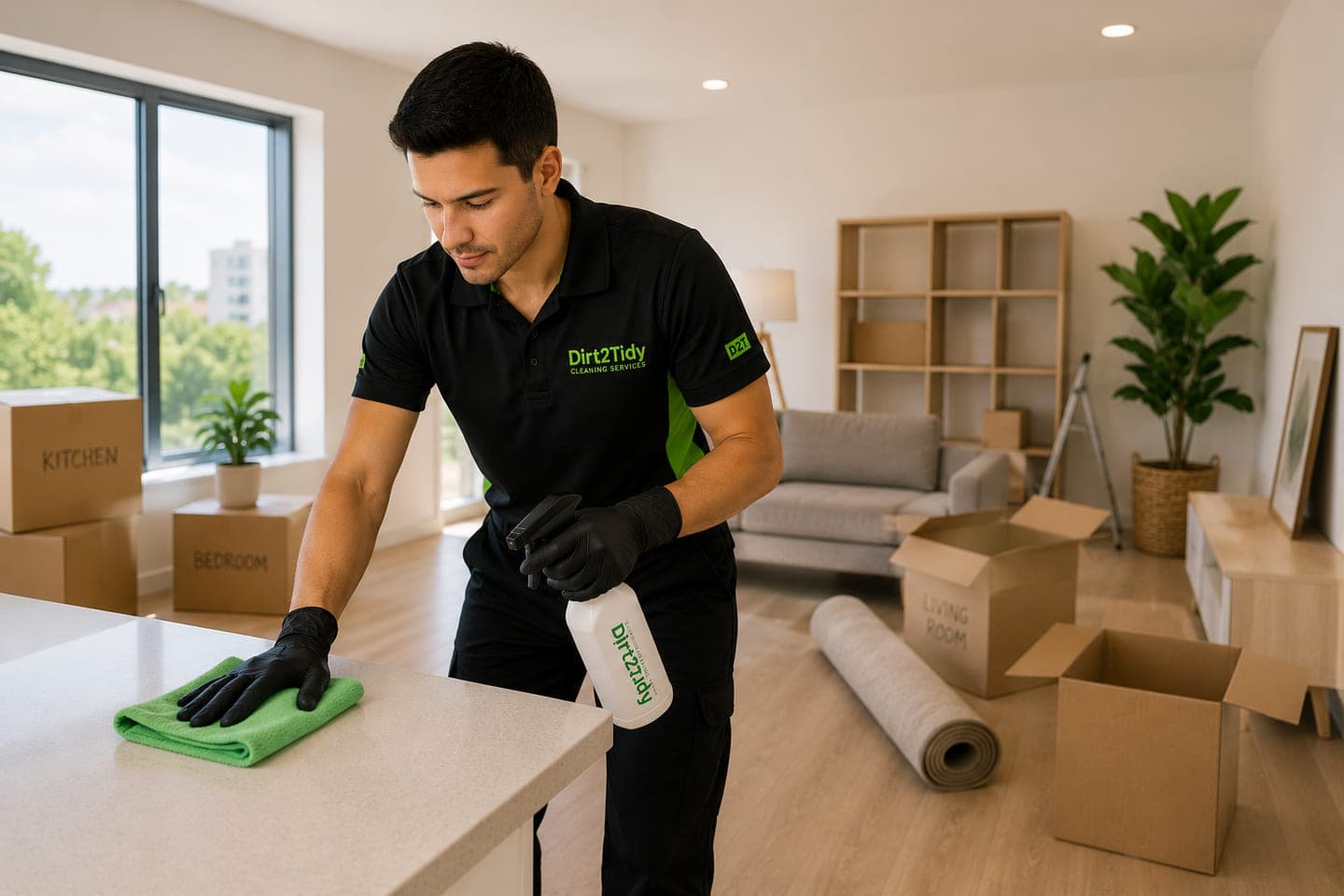
Airbnb cleaning is the turnover job — the focused reset that happens in the gap between one guest checking out and the next checking in.

Its scope is the checklist: strip and remake beds, sanitize and dry the bathroom, wipe and clear the kitchen, hit touch points, floors and bins, check every appliance and fitting works.

It's tied to the booking calendar, it's the one no guest will tolerate skipped, and it's the service every short-stay host needs regardless of anything else. When people say 'Airbnb cleaning,' this changeover reset is what they almost always mean.

Housekeeping is the ongoing upkeep around it

Housekeeping is the broader, ongoing care that keeps a property right between turnovers — the tasks that aren't driven by a single check-out but by general condition over days and weeks: tidying common areas, wiping high-dust surfaces, checking consumables and inventory, airing rooms, small upkeep and presenting the space consistently.

For a busy host it can mean someone checking the property more often than every guest leaves. Housekeeping supports the turnover standard; it isn't the same as the mandatory between-guest reset, and relying on one as the other causes gaps.
Housekeeping may mean ongoing property upkeep: Airbnb Housekeeping vs Cleaning: What Hosts Need

The guest schedule decides which you need

Your booking pattern picks the service. High-turnover properties live and die on a rock-solid changeover clean every time — that's the non-negotiable. Longer stays create gaps where a mid-stay housekeeping or upkeep visit keeps the property presentable and lets you restock and check in.

A host with scattered short bookings may only ever need the turnover service; one with longer stays or a second-home calendar may want periodic upkeep layered on top. Match the service to how your guests actually book, rather than buying a routine that doesn't fit the gaps.

Linen, restock and the access overlap

Both jobs touch linen, restocking and access, and that's where confusion creeps in. In a changeover clean, linen and restock are the critical agreed lines because they gate the tight turnover window. In housekeeping, restocking and inventory checks are part of the ongoing care.

Access, too, differs: turnovers need entry inside a fixed check-out/check-in window, while upkeep visits may happen any day. Defining what each visit actually does — and what linen and access rules apply — keeps the two services from quietly blurring into a guest arriving to a half-done job.
Prepare a host checklist and quote request: Airbnb Housekeeping vs Cleaning: What Hosts Need

Putting together the right arrangement

Most Sydney-to-anywhere hosts don't choose one and discard the other; they scope a service that fits. A dependable changeover clean against a written checklist is the base, and periodic housekeeping or upkeep slots are added where the booking gaps or the property demand them.

Build the arrangement around your real calendar and property, with linen, restock and access defined per visit type. The aim is consistency for every guest, at a price that reflects what your schedule genuinely needs rather than an assumed full housekeeping contract.
Keep cleaning moving

Related Cleaning Services

More from Dirt2Tidy

Related Cleaning Guides

FAQ

FAQs

Everything about bookings, coverage and what to expect.

Not always.

The between-guest changeover clean is the essential one every short-stay host needs; ongoing housekeeping or upkeep is an extra that matters mainly if you have longer stays with gaps to maintain, want mid-stay servicing, or need regular property checks and restocking beyond the turnovers.

Many hosts are fine with a reliable changeover clean alone. Decide by looking at your actual booking calendar rather than assuming you need both from day one.

It depends on the arrangement, which is exactly why it should be written. In a changeover clean, linen handling and guest restock are the key agreed lines because they decide whether a tight turnover fits.

In housekeeping, restocking and inventory checks are part of the ongoing upkeep. The mistake is leaving it vague — then no visit is clearly responsible.

Specify, per visit type, who strips or washes the linen, who supplies fresh sets and who tops up consumables, so neither the guest nor your schedule relies on an assumption.

Often yes, and consistency helps, but they're different scopes and you should book the right one for each occasion. A turnover is a checklist reset tied to check-out; an upkeep or housekeeping visit is general presentational care around it.

A provider can offer both, but a 'housekeeping' visit isn't automatically the full between-guest clean, and treating them as interchangeable is how a guest arrives to a bed that wasn't actually reset. Agree exactly what each kind of visit includes before you rely on it.

They're priced on different drivers. A changeover clean is typically per turnover and scales with the property, the linen and restock scope and how tight the window is, so it tracks your booking frequency.

Ongoing housekeeping or upkeep is usually scheduled around the calendar rather than each checkout, so it scales with how often you want visits rather than how many guests you have.

Compare providers on the actual scope of each visit type against your own schedule, rather than a single blended rate that hides what you're really paying for.